Categories
Space Exploration This Day in Science, Technology, Astronomy, and Space Exploration History

The First Photo of the Far Side of the Moon was Taken by Luna 3 on October 7, 1959

On October 7, 1959, Soviet Union’s Luna 3 spacecraft photographed the far side of the moon for the first time ever. These photographs, despite being of poor quality, caused excitement when they were published because the humanity had never saw the far side of the moon before.

Categories
Earth from Space Mountains Space Exploration

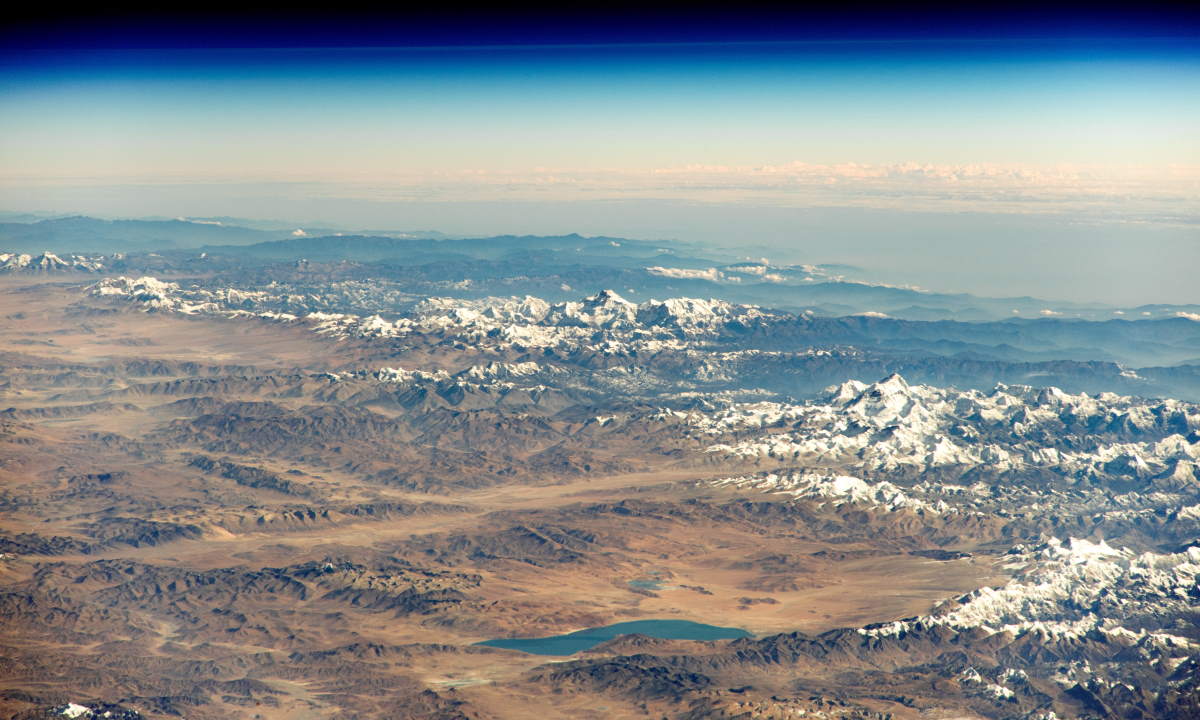
Mount Everest from Space [NASA Photos]

Mount Everest is the highest mountain in the world. Its summit is 8,848.86 meters (29,031.7 feet) above sea level. Naturally, It looks amazing from space, and as a result, many astronauts take its photos during their journeys. Here are the top 5 most amazing photos of Mount Everest from space, published by NASA.

Categories
Space Exploration

International Space Station Tracking Map [Live!]

Where’s the International Space Station right now? Here’s the live International Space Station tracking map, powered by the European Space Agency (ESA).

Categories
Earth from Space Space Exploration

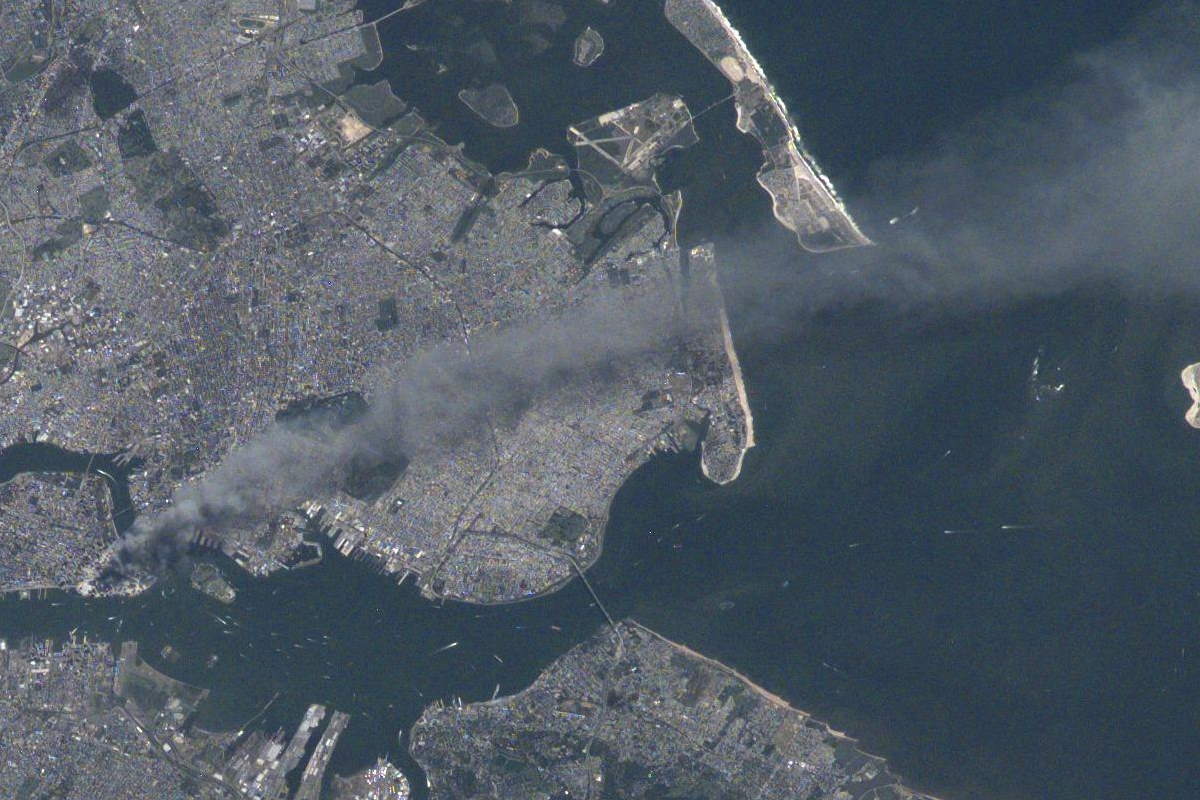
9/11 Attacks on the Twin Towers from space

On September 11, 2001, during the 9/11 attacks, NASA astronaut Frank Culbertson took this photo from the International Space Station (ISS) of smoke rising from the Twin Towers of the World Trade Center in New York City.

Categories
Space Exploration

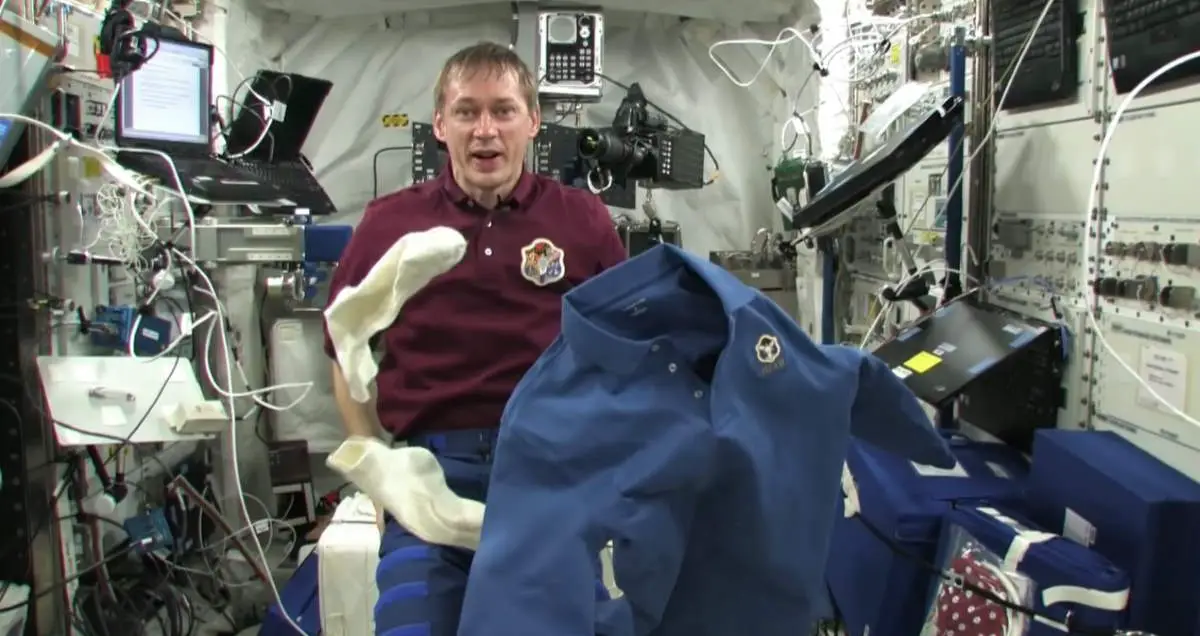
How do astronauts wash clothes in space? [Astronaut explains]

How do astronauts wash their clothes in space? Well, the answer is simple: they don’t. It may be weird, but we don’t have a way or technology safe enough to clean laundry in the microgravity environment of space.

Categories
Space Exploration Solar System This Day in Science, Technology, Astronomy, and Space Exploration History

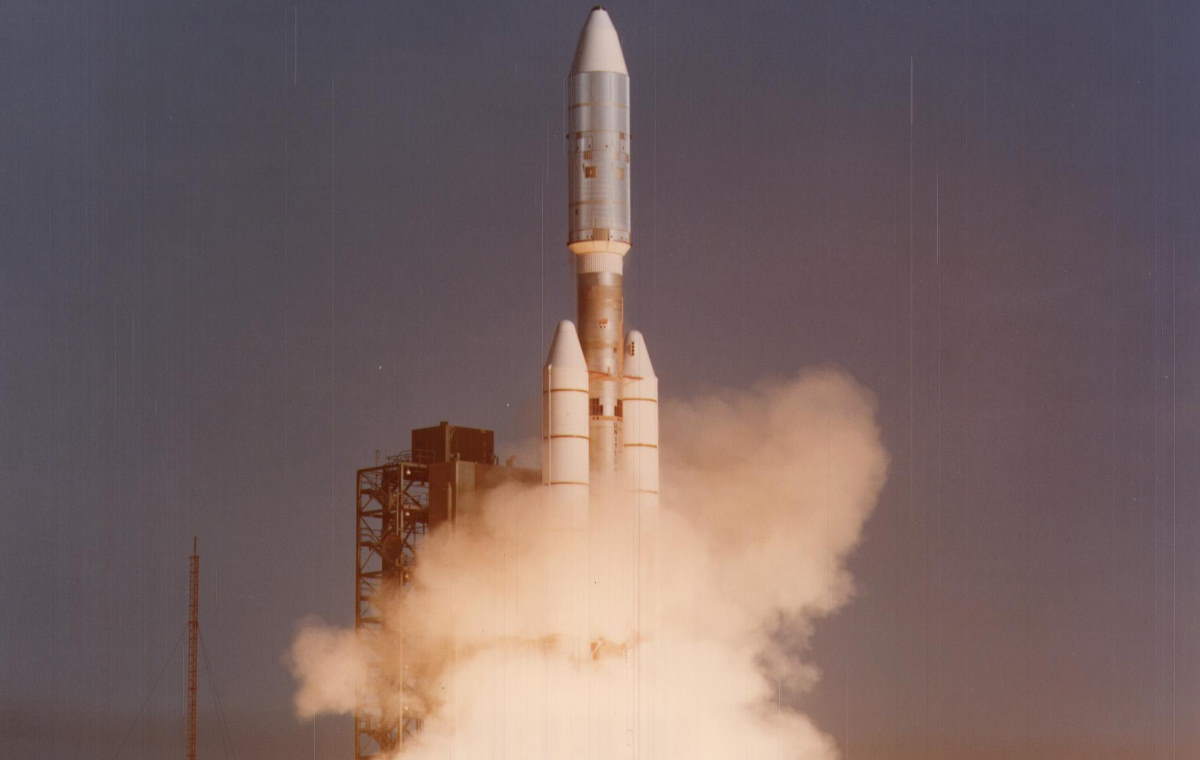
Voyager 1 launch [September 5, 1977]

Voyager 1 launch: On September 5, 1977, NASA’s Voyager 1 spacecraft was launched on top of a Titan IIIE/Centaur rocket from the Kennedy Space Center Launch Complex in Florida, 16 days after its twin, Voyager 2. The reversal of order was because the two spacecraft were sent on different trajectories, and Voyager 1 was put on a path to reach its planetary targets, Jupiter and Saturn, ahead of Voyager 2.

Categories
Mars Space Exploration This Day in Science, Technology, Astronomy, and Space Exploration History

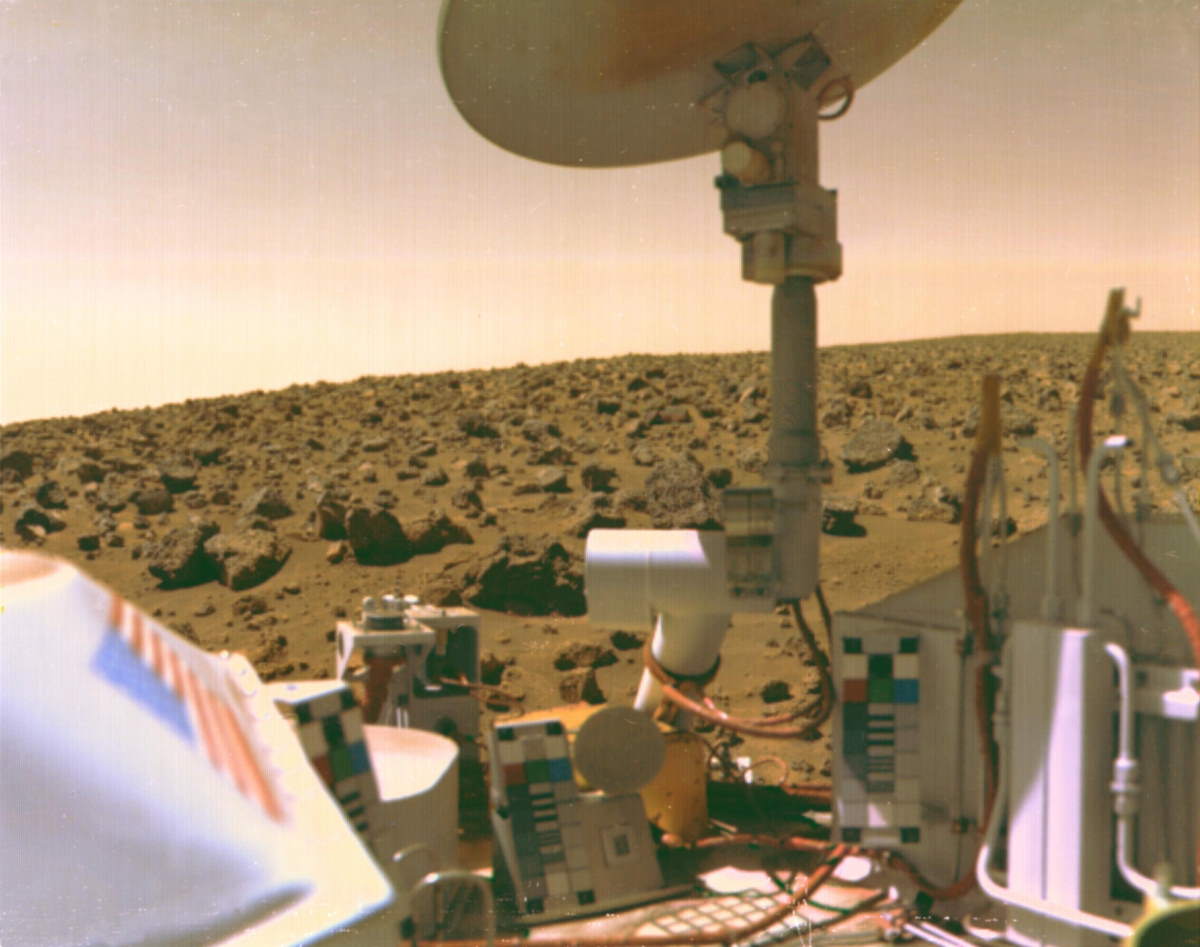
Viking 2 landed on Mars on September 3, 1976

On September 3, 1976, the lander of NASA’s Viking 2 spacecraft (which consisted of an orbiter and a lander) separated from the orbiter and safely landed on Mars.

Categories
Space Exploration Solar System This Day in Science, Technology, Astronomy, and Space Exploration History

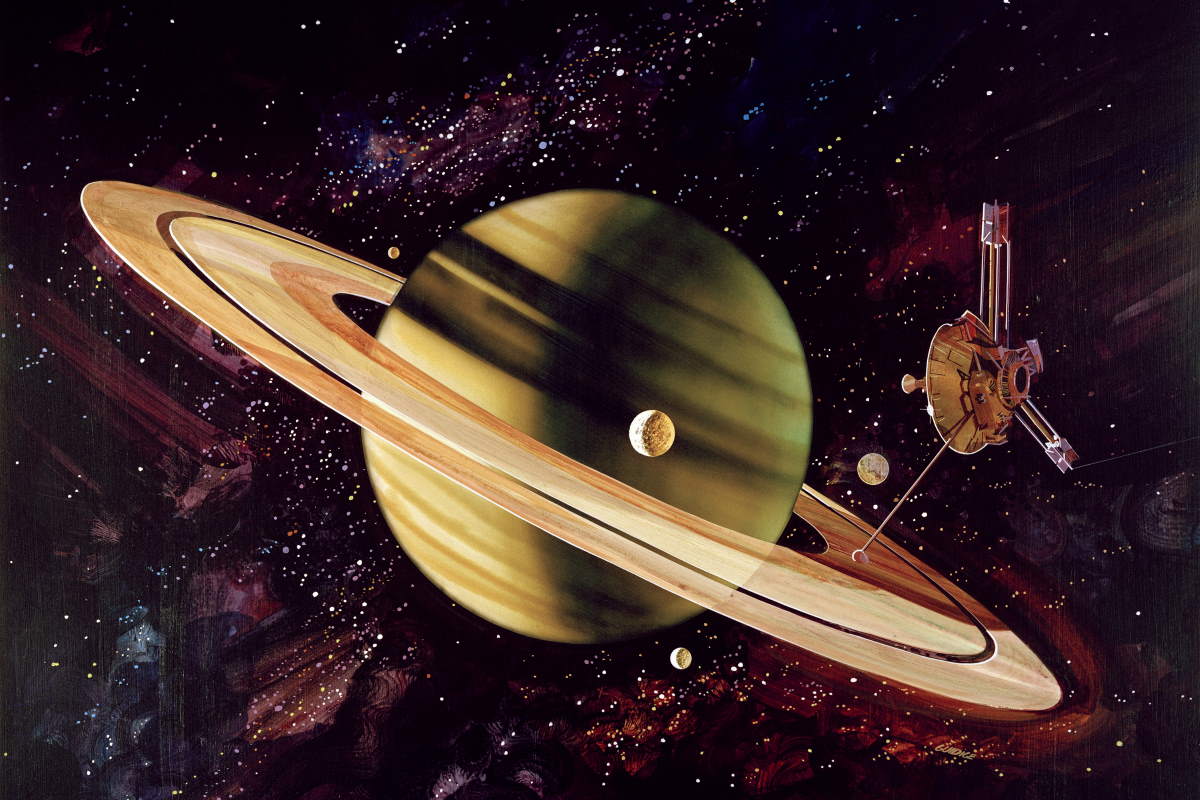
Pioneer 11 performed the first Saturn flyby on September 1, 1979

On September 1, 1979, NASA’s Pioneer 11 spacecraft performed the first Saturn flyby in the history of space exploration, at a distance of 21,000 km (13,000 miles) from Saturn’s cloud tops.

Categories
This Day in Science, Technology, Astronomy, and Space Exploration History Space Exploration

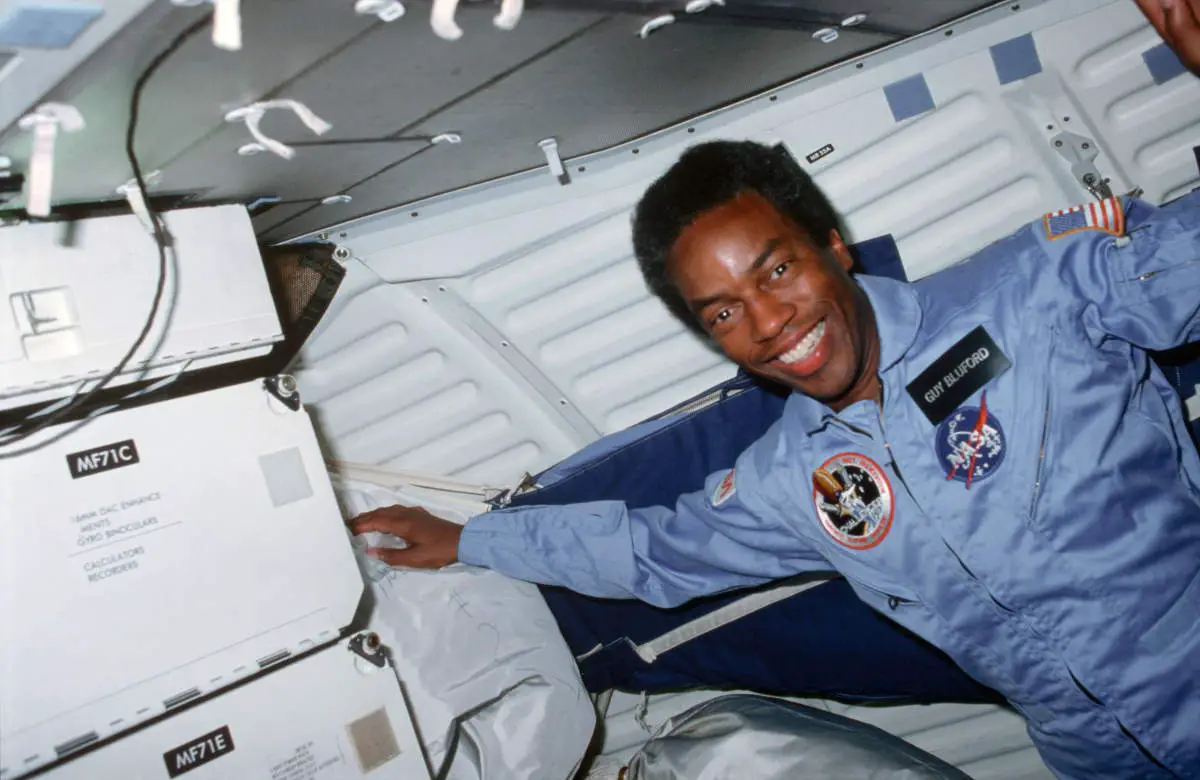
Guion Bluford became the first black astronaut in space on August 30, 1983

On August 30, 1983, Guion Bluford, better known as Guy, was launched aboard Space Shuttle Challenger’s STS-8 mission on August 30, 1983, he became the first black astronaut in space.

Categories
Space Exploration Solar System This Day in Science, Technology, Astronomy, and Space Exploration History

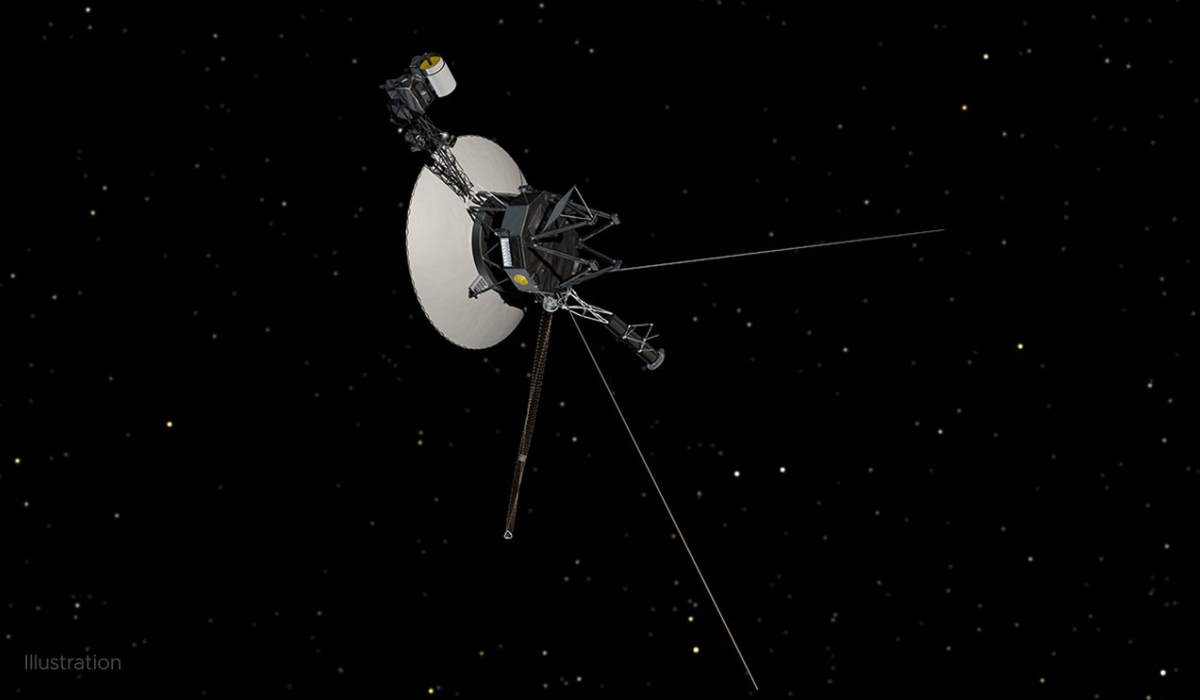
Voyager 1 became the first spacecraft in interstellar space on August 25, 2012

On August 25, 2012, NASA’s Voyager 1 spacecraft crossed the heliopause, the theoretical boundary of our solar system where the Sun’s solar wind is stopped by the interstellar medium, and became the first spacecraft in interstellar space.