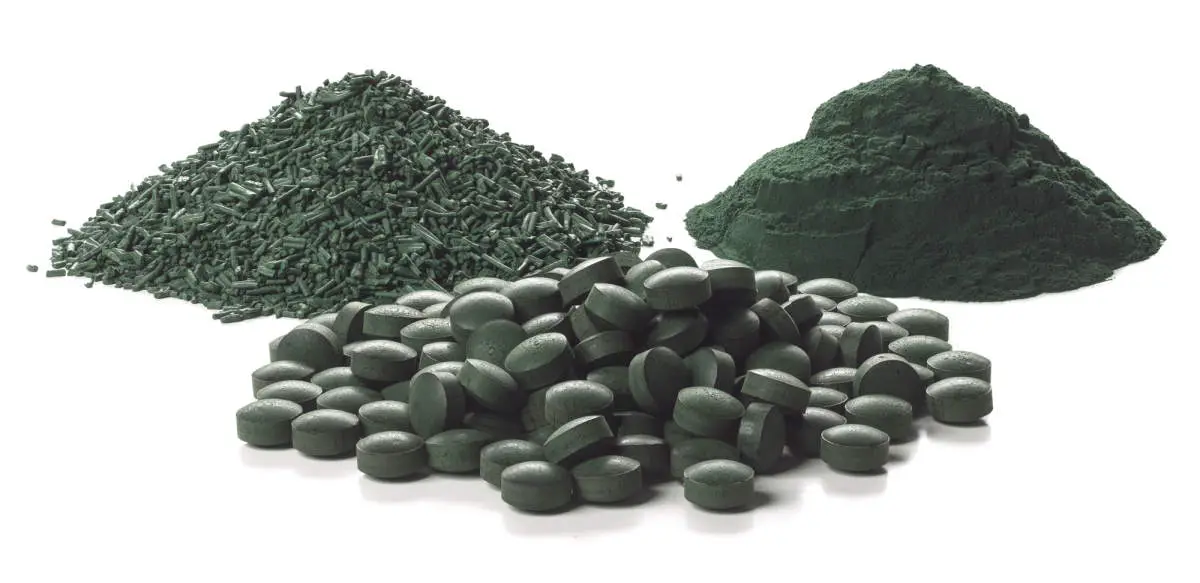
The global food supply faces a range of threats including climate change, wars, pests, and diseases. Microalgae, an organism too small for the human eye to see could offer some answers. Here’s how.
This post was originally published on Horizon: the EU Research & Innovation magazine | European Commission and licensed under the Creative Commons Attribution 4.0 International (CC BY 4.0) license.
The global food supply faces a range of threats including climate change, wars, pests, and diseases. Microalgae, an organism too small for the human eye to see could offer some answers. Here’s how.

Turning waste into energy: the race is on to reuse waste as energy in the most effective way possible. Combined heat and power is an old idea for saving fuel with a new imperative to slash emissions. Innovative furnaces based on biofuel systems will generate heat and power from waste materials with near-complete efficiency and very low emissions.

Super-sized black holes appeared surprisingly early in the Universe and it seems every galaxy has one at its center. But how? And where are the intermediate-sized black holes (intermediate black holes)?

Before the term “digital twin” was first used twenty years ago (see notes 1), engineers at NASA were already developing ground-based replicas of spacecraft infrastructure. Today’s manufacturers are also seeing double, taking advantage of digital duplicates to better understand and predict product performance. Now the European Union (EU) scientists are looking to apply the same principles to the natural world and building more and more digital twins of the ocean.

Many future climate scenarios suggest that negative emissions will be needed to limit global warming. Researchers are now investigating how feasible this is.
By Sandrine Ceurstemont

Asteroids can pose a threat to life on Earth but are also a valuable source of resources to make fuel or water to aid deep space exploration. Devoid of geological and atmospheric processes, these space rocks provide a window onto the evolution of the solar system. But to really understand their secrets, scientists must know what’s inside them.
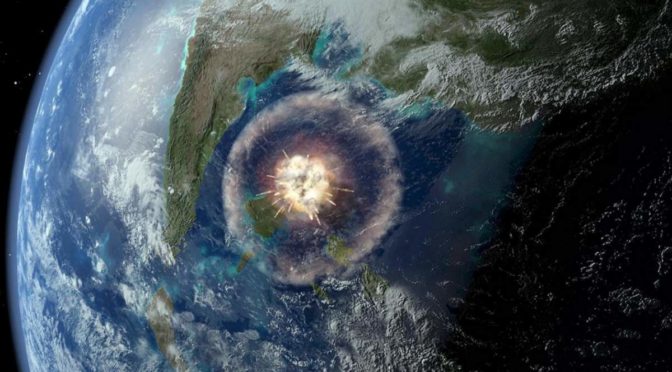
There are a lot of things that pose a threat to our planet – climate change, natural disasters, and solar flares, for example. But one threat in particular often captures the public imagination, finding itself popularized in books and films and regularly generating alarming headlines: asteroids.
by Jonathan O’Callaghan

Asteroids – the bits and pieces left over from the formation of the inner planets – are a source of great curiosity for those keen to learn about the building blocks of our solar system, and to probe the chemistry of life.
Humans are also considering mining asteroids for metals, but one of the crucial reasons scientists study this ancient space rubble is planetary defense, given the potential for space debris to cause Earth harm.
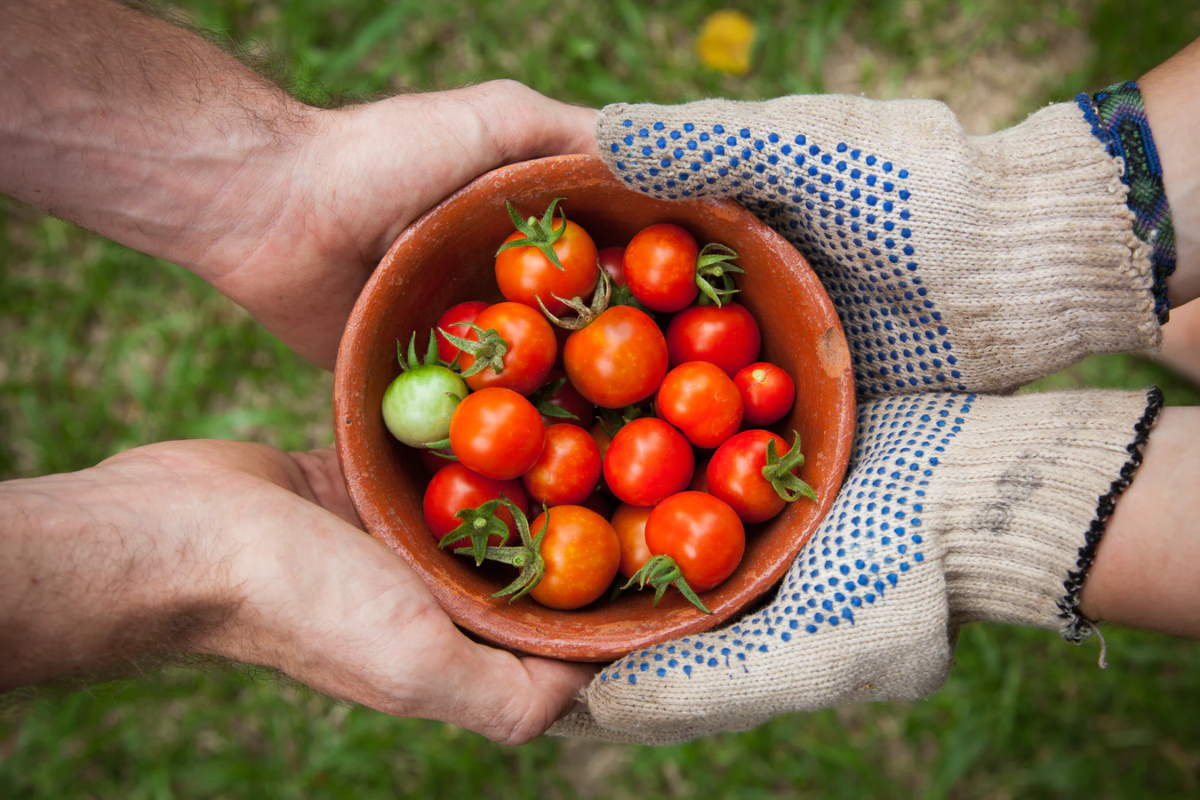
Fears over supermarket shortages during the early stages of the Covid-19 pandemic led many people to buy their food from local producers, raising the prospect of a transformation in the way people get their food in the future. But while eating locally and shorter supply chains are often viewed as a more sustainable alternative to our global food system, the reality is much more complicated, explains Dr. Tessa Avermaete, a bioeconomist at the Katholieke Universiteit Leuven in Belgium.
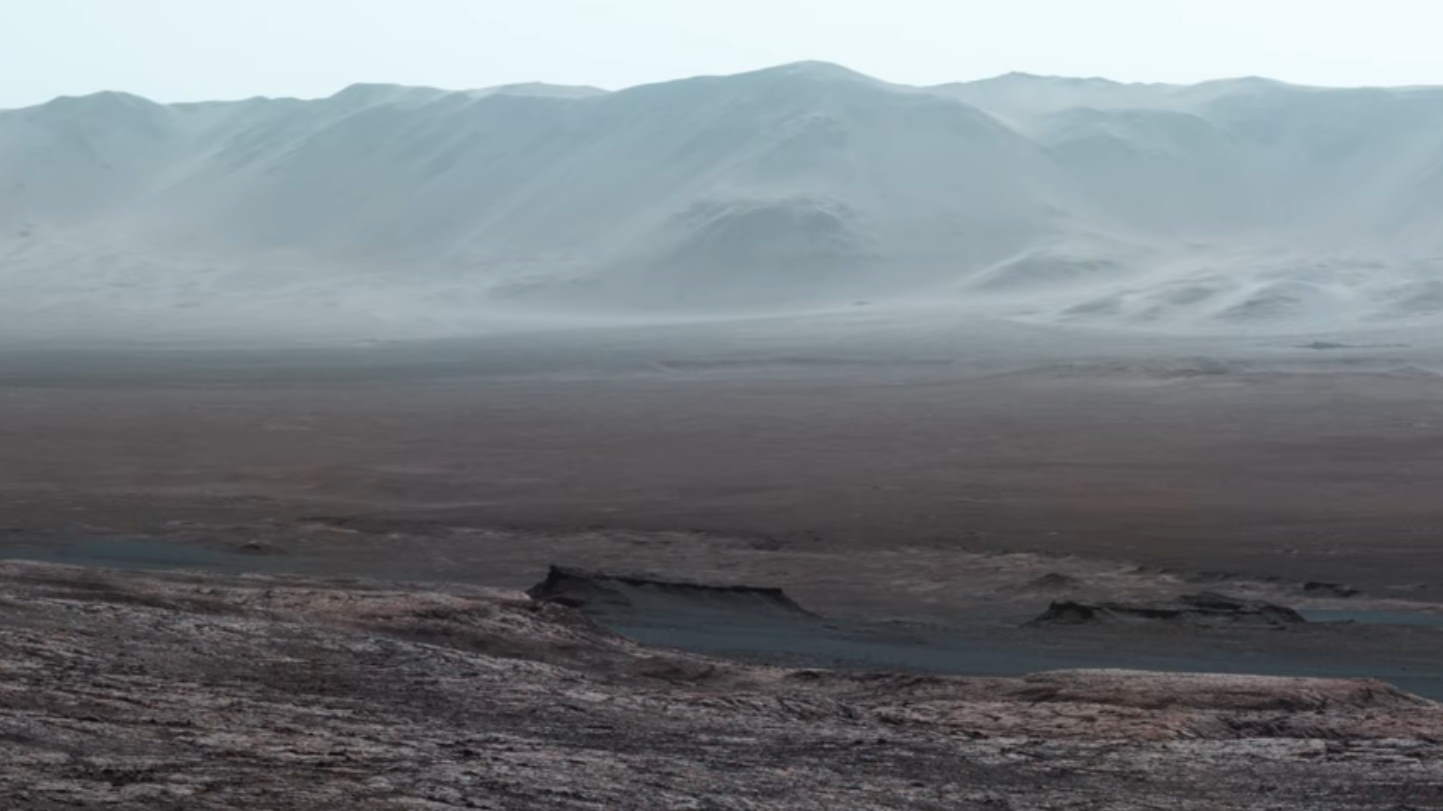
In our continuing search for other life in the universe, one place has always looked promising – Mars. It is a rocky planet like Earth, orbiting the same star, and at a distance where water could have been present on the planet.