Categories
Technology Artificial Intelligence Computer Science Moon Landing Robotics Space Exploration

The future as envisioned in 1967: The year 1999

In 1967, as space-age fantasies ignited imaginations across the globe, the then Philco-Ford, now Ford Motor Company, attempted to capture the future’s heart and soul in a brief cinematic journey. The film titled “1999 AD” catapulted its audience three decades into the future, offering a tantalizing glimpse of everyday life for a quintessential American family, the Shores. Viewing this projection of the future now, the film emerges as a treasure trove of intriguing insights – a harmonious blend of eerily accurate predictions and glaring blind spots, seasoned with the unmistakable charm of the 1960s.

Categories
Energy Artificial Intelligence Climate Environment Global Warming Physics Technology

AI Successfully Controls Plasma in Nuclear Fusion Experiment. Are we finally close to the Fusion Power?

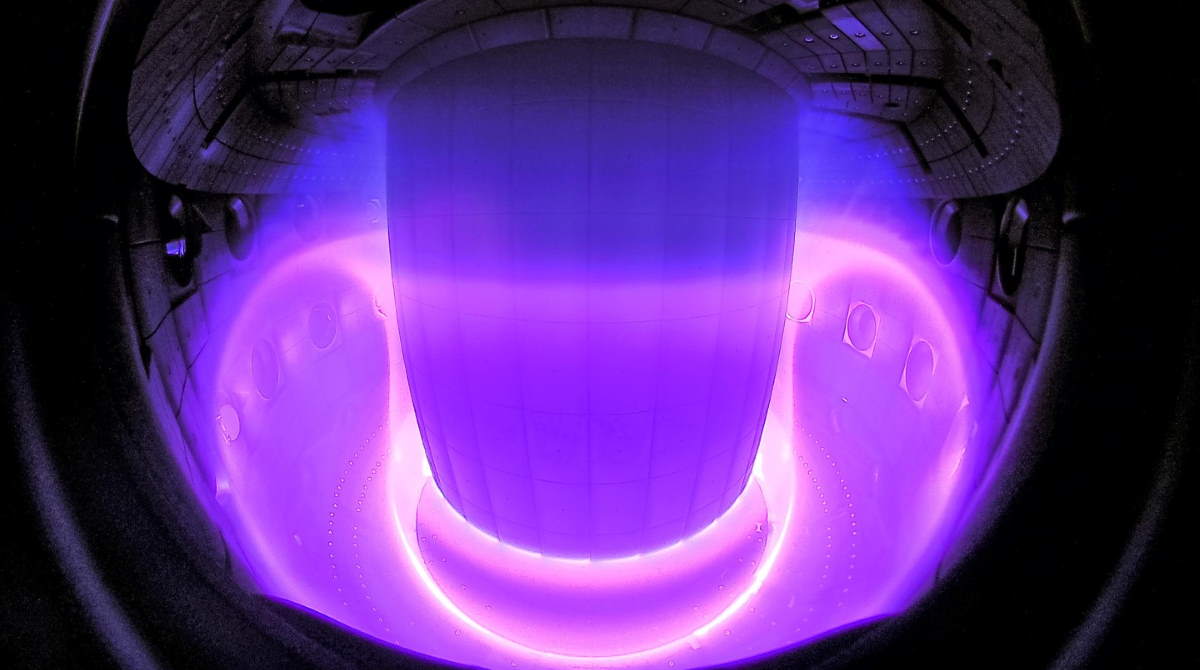
To keep Earth from dangerous ongoing global warming, the world is looking for an energy source without CO2 emissions. There is actually a dream candidate: successfully achieving nuclear fusion holds the promise of delivering a limitless, sustainable source of clean energy.

Categories
Moon Landing Artificial Intelligence Space Exploration Technology

Moon landing videos remastered

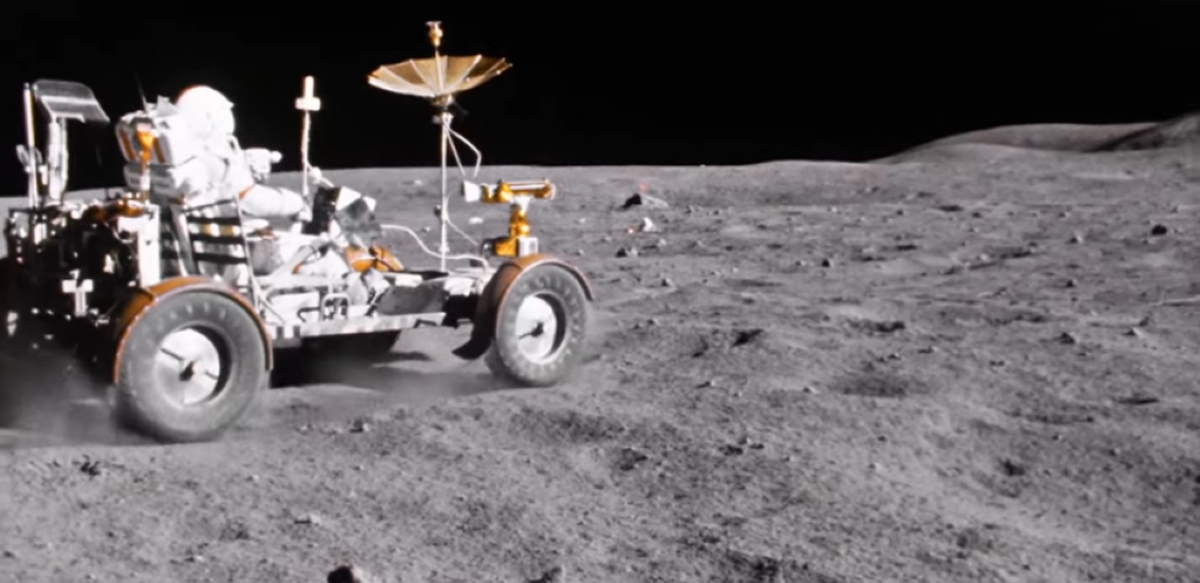
Run by a Dutch restoration specialist who remastering historic videos using Artificial Intelligence (AI), the Dutch Steam Machine (Dutchsteammachine) channel has published remastered Apollo Moon landing videos, as well as some other vintage space videos, and the results are astonishing.

Categories
Space Exploration Artificial Intelligence Mars Robotics

The Confluence Of Robotics With Space Research And Exploration

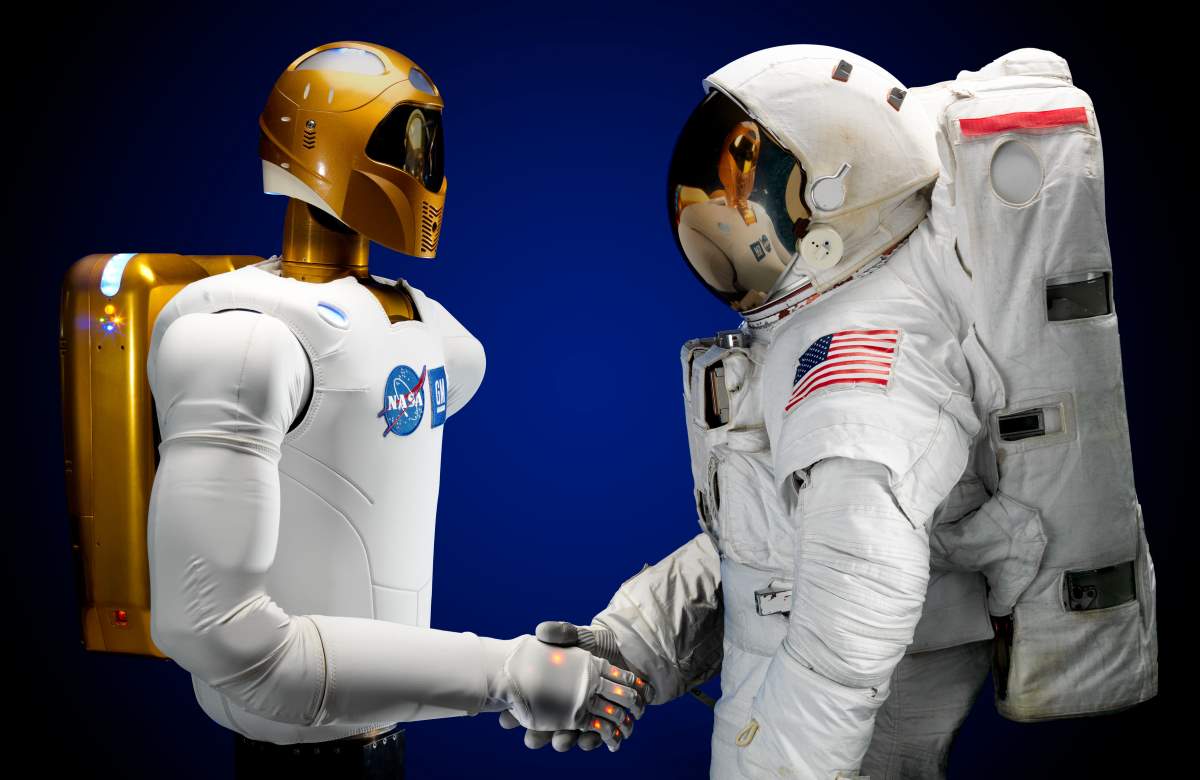
Those of us who have grown up reading Asimov’s robot series are quite informed about what robots can accomplish. While that’s only a reel representation, it definitely points to an abundance of opportunities in the realm of space research.

Categories
Astronomy Artificial Intelligence

Kepler-90i, the 8th Planet Orbiting a Distant Star was Discovered [using AI and Kepler data]

Using data from the exoplanet-hunting Kepler Space Telescope and a machine learning algorithm from Google, researchers discovered an 8th planet orbiting a distant star. The newly discovered planet is circling Kepler-90, a G-type main-sequence star (Sun-like star), 2,545 light-years from Earth. It is named Kepler-90i.

According to the press release from NASA, Kepler-90i is “a sizzling hot, rocky planet that orbits its star once every 14.4 days“. In this case, computers using Google’s machine learning algorithm, “learned” to identify planets by finding in Kepler data instances where the telescope recorded signals from planets beyond our solar system, known as exoplanets.