There are a total of 1,223 UNESCO World Heritage Sites in the world (as of 2024: 952 Cultural, 231 Natural, and 40 Mixed) in 168 countries. Here are the top 20 countries having the most UNESCO World Heritage sites.
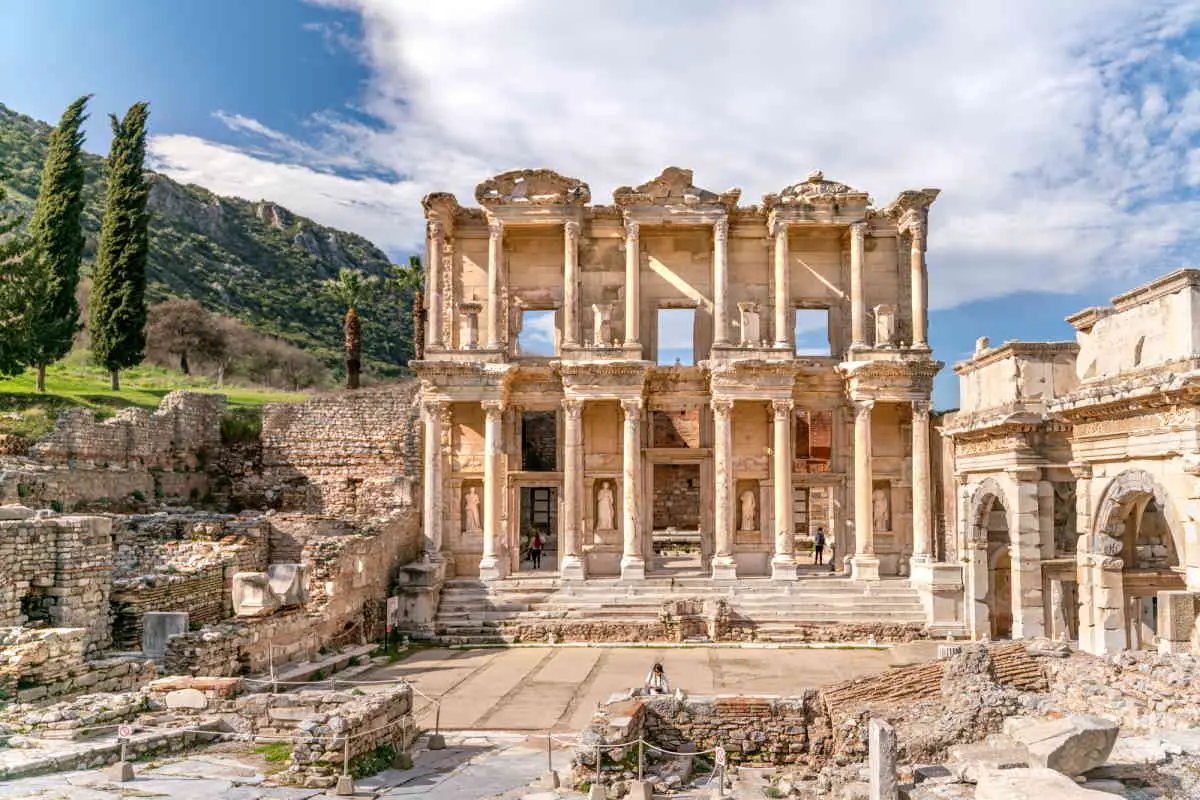
There are a total of 1,223 UNESCO World Heritage Sites in the world (as of 2024: 952 Cultural, 231 Natural, and 40 Mixed) in 168 countries. Here are the top 20 countries having the most UNESCO World Heritage sites.
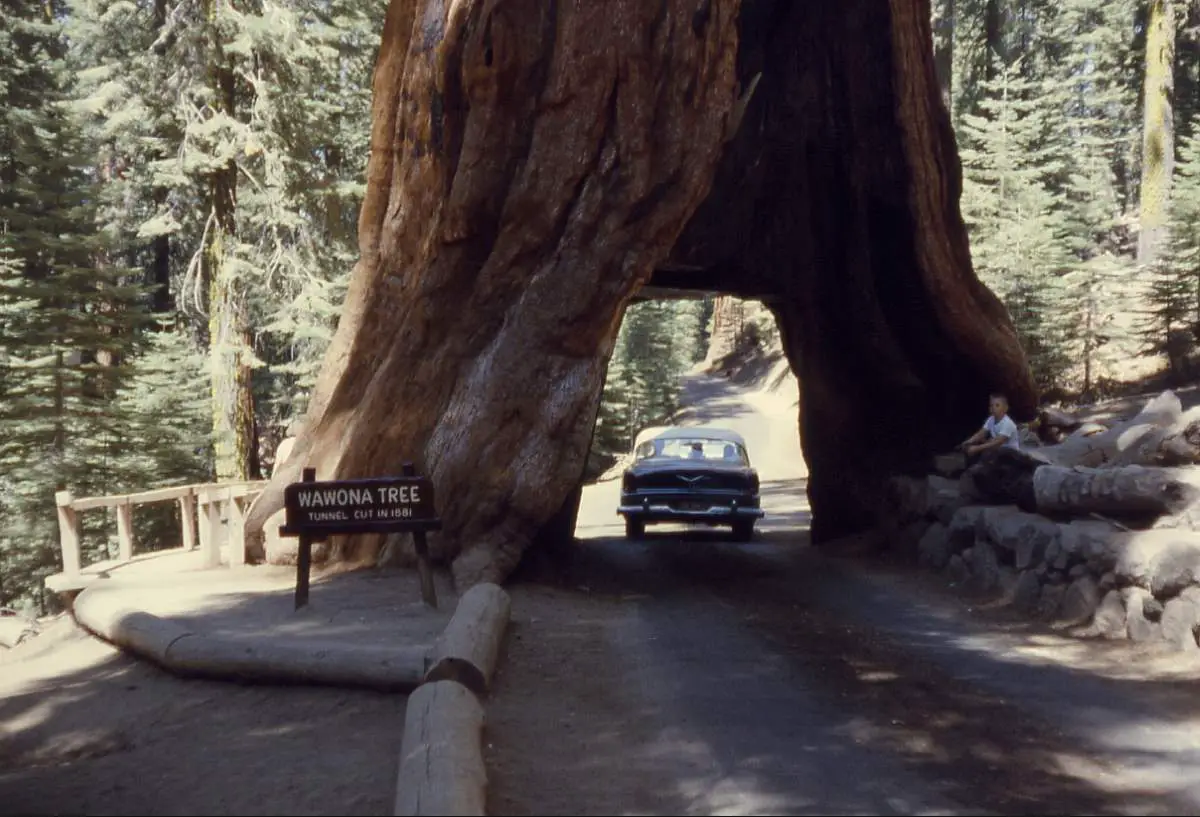
The Earth is an ever-changing canvas, boasting a plethora of natural wonders that have captivated humans for generations. From expansive coral reefs teeming with life to awe-inspiring volcanoes that seem to touch the sky, these marvels remind us of the beauty and complexity of our planet. However, not all wonders stand the test of time. Climate change, natural disasters, and human activities are threatening the very existence of these treasures. A closer look at 10 recently lost natural wonders reveals a tragic but essential story: the urgency to protect what remains and the consequences of neglect.

Located in Republika Srpska, Bosnia and Herzegovina, Perućica is one of the last two saved primeval forests in Europe (the other being the Białowieża Forest). Perućica has many trees that are 300 years old, and its age is stated to be 20,000 years (it existed even before the last Ice Age which concluded about 11,550 years ago). There are trees over 50 meters high (164 feet) in the forest.
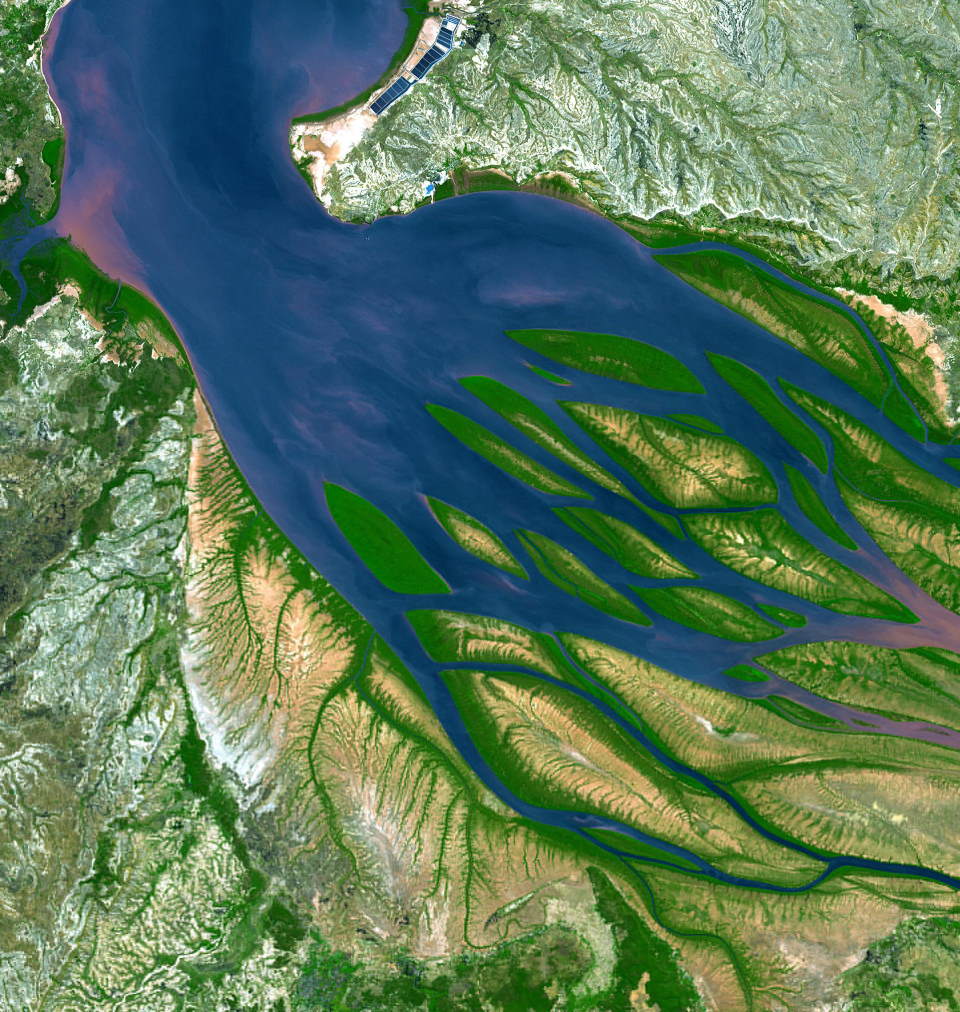
Bombetoka Bay is a bay on the northwestern coast of Madagascar, where the Betsiboka River flows into the Mozambique Channel. It is near the city of Mahajanga, a popular tourist destination, and also an administrative district on the northwest coast of Madagascar. Here are the 5 most amazing photos of Bombetoka Bay from space.

The American Society of Civil Engineers (ASCE) has chosen the Seven Wonders of the Modern World as a tribute to the greatest civil engineering achievements of the 20th century.

The iconic Great Pyramid of Giza, also known as the Khufu’s Pyramid, stands alone as the sole survivor among the Seven Wonders of the Ancient World. Remarkably, there was a brief period, lasting less than 60 years, when all these monumental wonders coexisted. This fleeting overlap in history underscored the need for a modern tribute, leading to the launch of the New Seven Wonders of the World (New7Wonders) campaign in 2001. This initiative aimed to recognize and celebrate contemporary marvels, drawing from a diverse list of 200 existing architectural feats.

Here are the top 10 most beautiful Earth photos taken by the astronauts aboard the International Space Station (ISS), the orbiting laboratory, in 2020. Which one is your favorite? Or if your favorite image was not listed here, please leave a comment below. To see all images taken from the International Space Station and published by NASA, visit Space Station Images webpage.
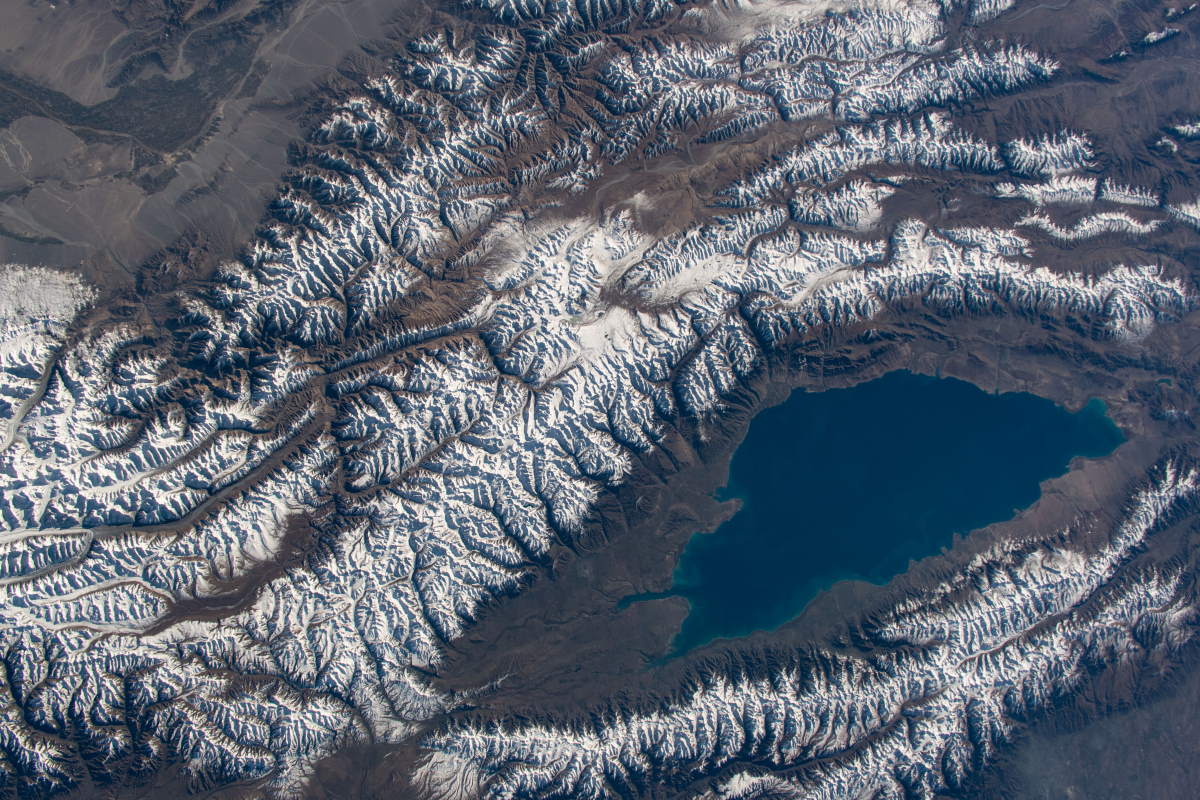
Here are the top 10 most beautiful Earth photos taken by the astronauts aboard the International Space Station (ISS), the orbiting laboratory, in 2019. Which one is your favorite? Or if your favorite image was not listed here, please leave a comment below. To see all images taken from the International Space Station and published by NASA, visit Space Station Images webpage.

The question of where the evolutionary cradle of modern humans lies has long intrigued scientists and historians. The East African Great Rift Valley has traditionally been viewed as the most likely birthplace. However, revolutionary research conducted recently presents a compelling alternative.
This groundbreaking study utilizes DNA evidence to trace back the origins of mankind to a prehistoric wetland known as Makgadikgadi-Okavango, located south of the Great Zambezi River. This finding significantly shifts the focus of anthropological inquiry from East Africa to Southern Africa.
In a landmark study published in the prestigious journal Nature, it was revealed that the earliest population of H. sapiens sapiens, our direct ancestors, emerged approximately 200,000 years ago in an area that encompasses parts of what is now modern-day Botswana, Namibia, and Zimbabwe.
The research unraveled a hitherto unappreciated chapter of human history, infusing fresh life into the story of human evolution. This revelation underscores the intricate tapestry of the human lineage and affirms the complexities underlying our understanding of human evolution.

Algeria’s Tadrart Rouge is probably the closest place you can find on Earth that kinda looks like Mars.