The vast tropical rainforest-the largest of its kind-is diminishing at an alarming rate. If the Amazon Rainforest is destroyed, the effects on Earth will be devastating.
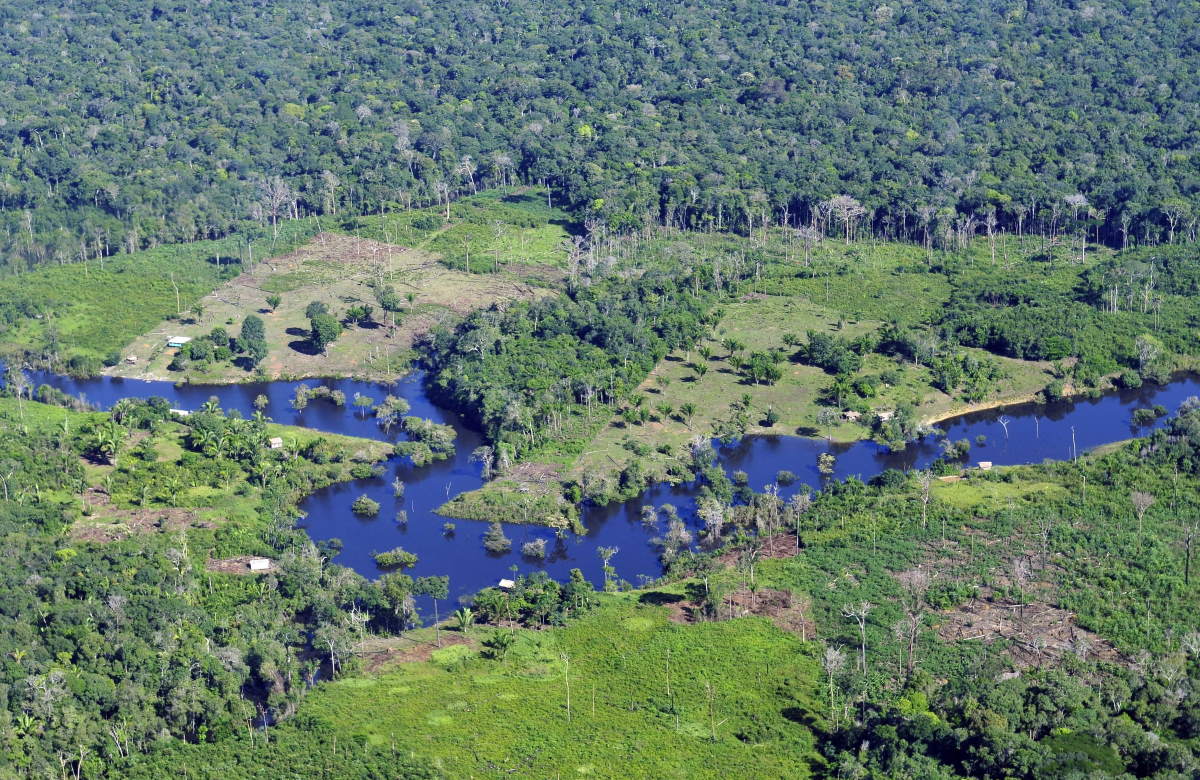
The vast tropical rainforest-the largest of its kind-is diminishing at an alarming rate. If the Amazon Rainforest is destroyed, the effects on Earth will be devastating.
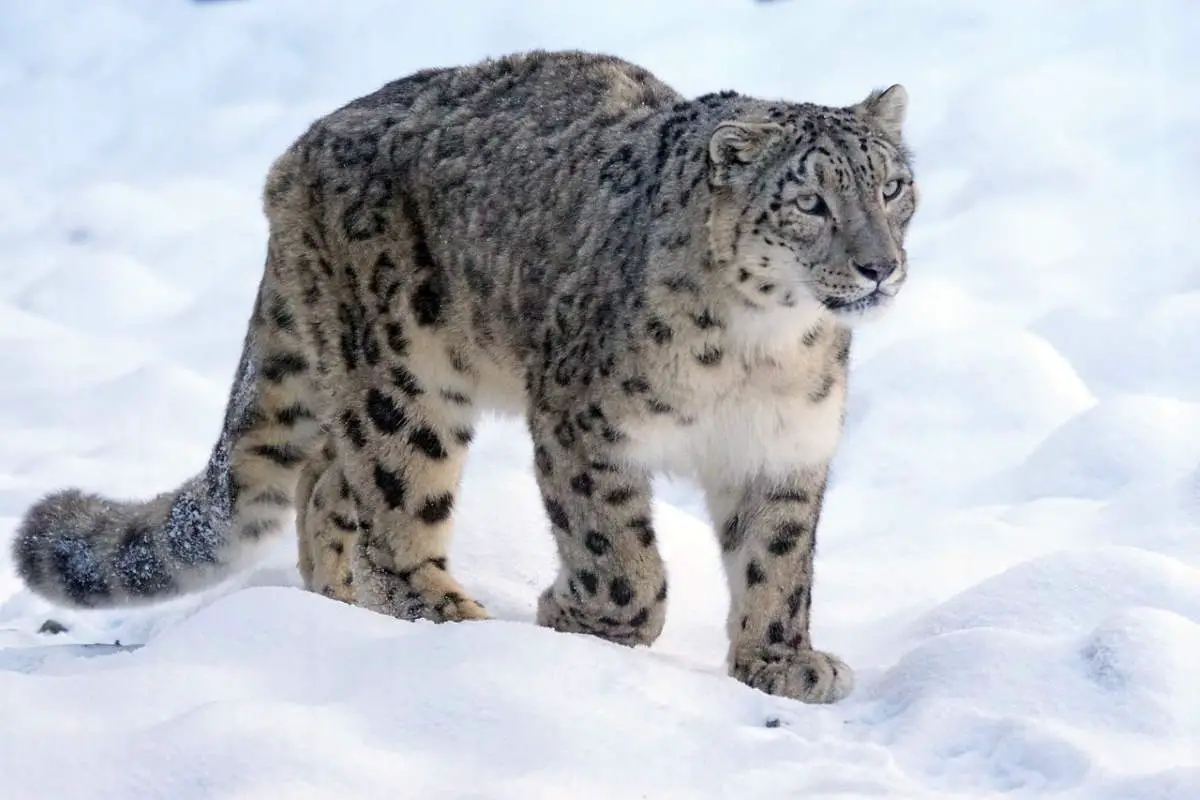
Species are going extinct at an unprecedented rate. Wildlife populations have fallen by more than two-thirds over the last 50 years, according to a new report from the World Wildlife Fund. The sharpest declines have occurred throughout the world’s rivers and lakes, where freshwater wildlife has plummeted by 84% since 1970 – about 4% per year.
Michael Obersteiner, University of Oxford; David Leclère, International Institute for Applied Systems Analysis (IIASA), and Piero Visconti, International Institute for Applied Systems Analysis (IIASA)
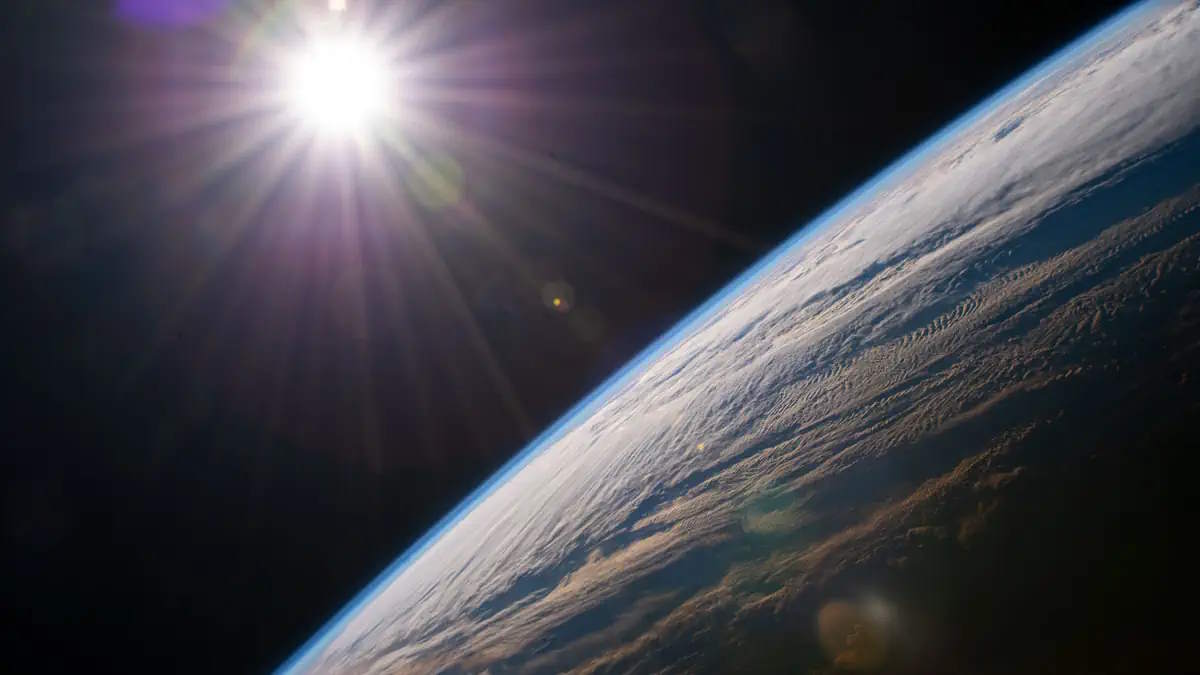
At what altitude can you start seeing the curvature of the Earth? Is it visible from the top of a skyscraper, a mountain peak, or a passenger plane? Can a high-altitude balloon provide a clear view, or is it something you can only witness from space?
Most people don’t realize how large the Earth is compared to the height of a mountain or the altitude of a passenger aircraft. It’s easy to think we’re really high up when standing on a mountain peak or flying in a passenger plane. However, even at these heights, we’re just skimming the surface of our planet. For perspective, commercial aircraft typically fly between 31,000 and 38,000 feet (about 5.9 to 7.2 miles) high, which is higher than even Mount Everest, the tallest mountain on Earth.
So, how high do you have to be to see the curvature of the Earth?
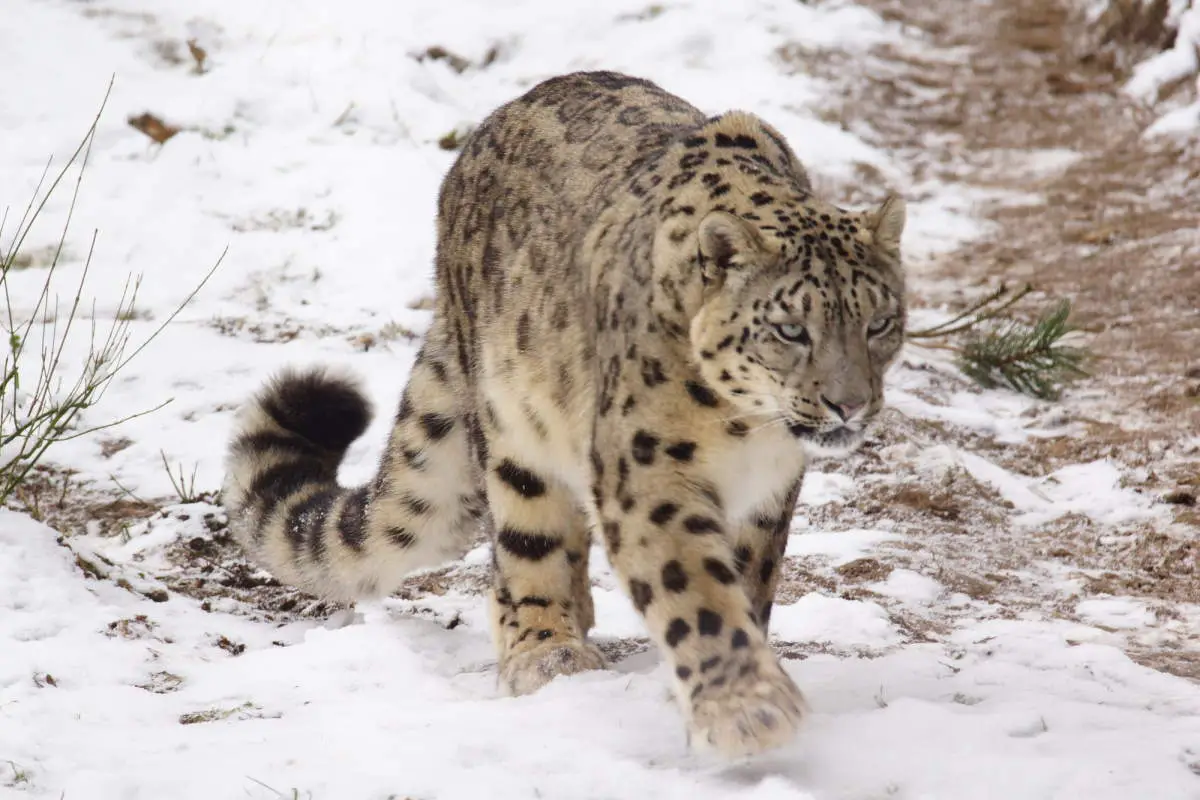
The snow leopard (Panthera uncia), also known as the ounce, is a large cat and one of the five species classified in the genus Panthera, others being the lion (Panthera leo), tiger (Panthera tigris), jaguar (Panthera onca), and leopard (Panthera pardus). It is native to the mountain ranges of Central and South Asia. Here are 20 amazing snow leopard facts.
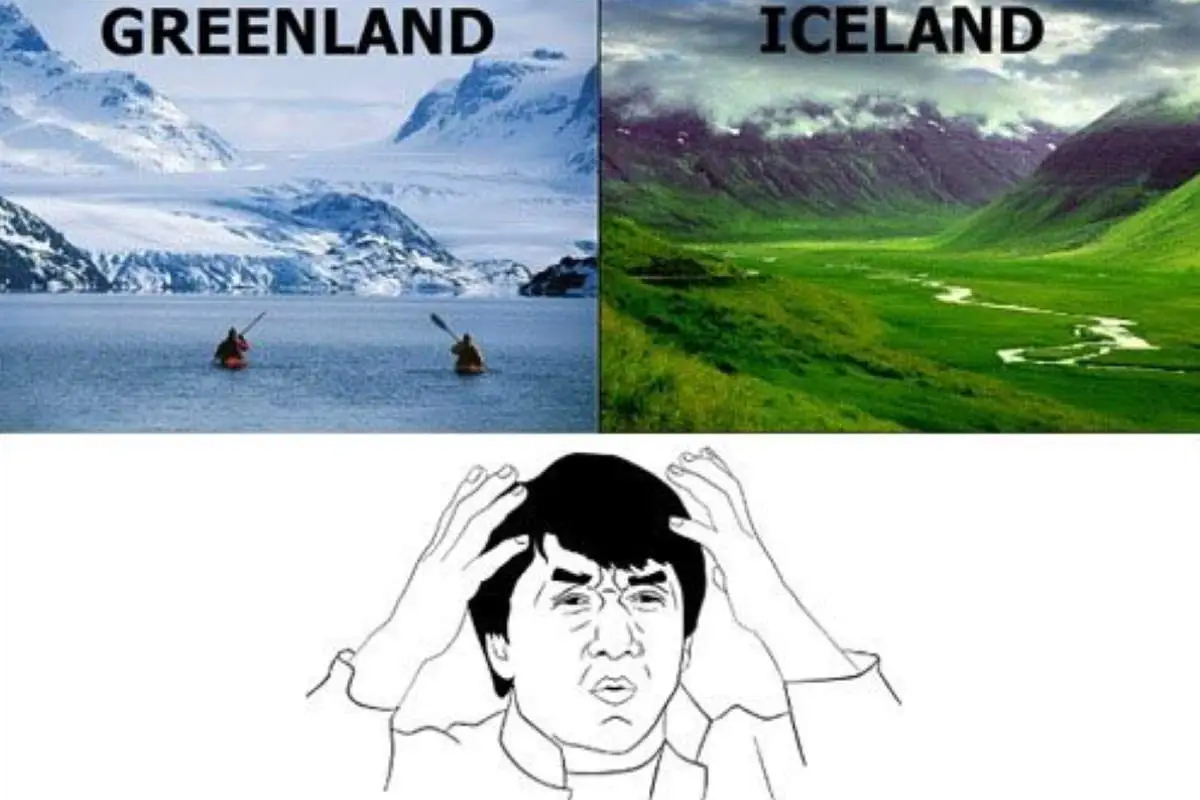
Earth is an amazing place. Not only it is a beautiful oasis in the vast, cold space, it also has many interesting and even strange features. Here are 10 fun geography facts.

The magnetic field of Earth is constantly changing. And, at the moment, even more rapidly than previously thought – up to 10 times, as British researchers have now figured out. This has significant implications not just for the old-school magnetic compass navigation but also for the proper functioning of telecommunications networks and GPS – and thus for airlines, emergency services, and the military.

“How long is the Earth” is a weird question – but what if you cut it up into Minecraft-sized 1-meter cubes and lay them in a line through space, how far would the Earth stretch? It is a thought experiment and in the video published by the astrophysicist (and a famous poker player!) Liv Boeree below, we can get the answer and it is mind-blowing: the Earth would stretch across the entire Milky Way (more than 100,000 light-years!) if its volume is laid out in a line of 1-meter cubes.

How the moon was formed? The most widely accepted theory of the Moon’s origin is known as the Giant Impact Hypothesis. The standard giant impact hypothesis, sometimes called the Big Splash, or the Theia Impact suggests the Mars-sized body, called Theia, impacted Earth, creating a large debris ring around Earth, and the Moon formed out of that debris. The hypothesis additionally suggests that this collision also resulted in the 23.5° tilted axis of the earth, thus causing the seasons.
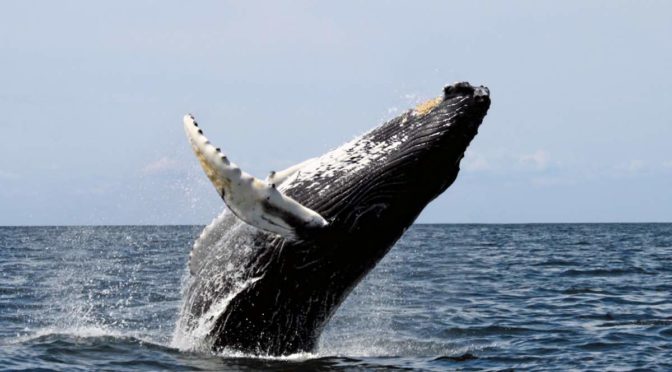
According to a report published by the World Economic Forum, whales are a surprising weapon in the fight against climate change. Scientists say saving whales could be key to limiting global warming.

Will our species go extinct? The short answer is yes. The fossil record shows everything goes extinct, eventually. Almost all species that ever lived, over 99.9%, are extinct.
Some left descendants. Most – plesiosaurs, trilobites, Brontosaurus – didn’t. That’s also true of other human species. Neanderthals, Denisovans, H. erectus all vanished, leaving just