Categories
Planet Earth Environment People

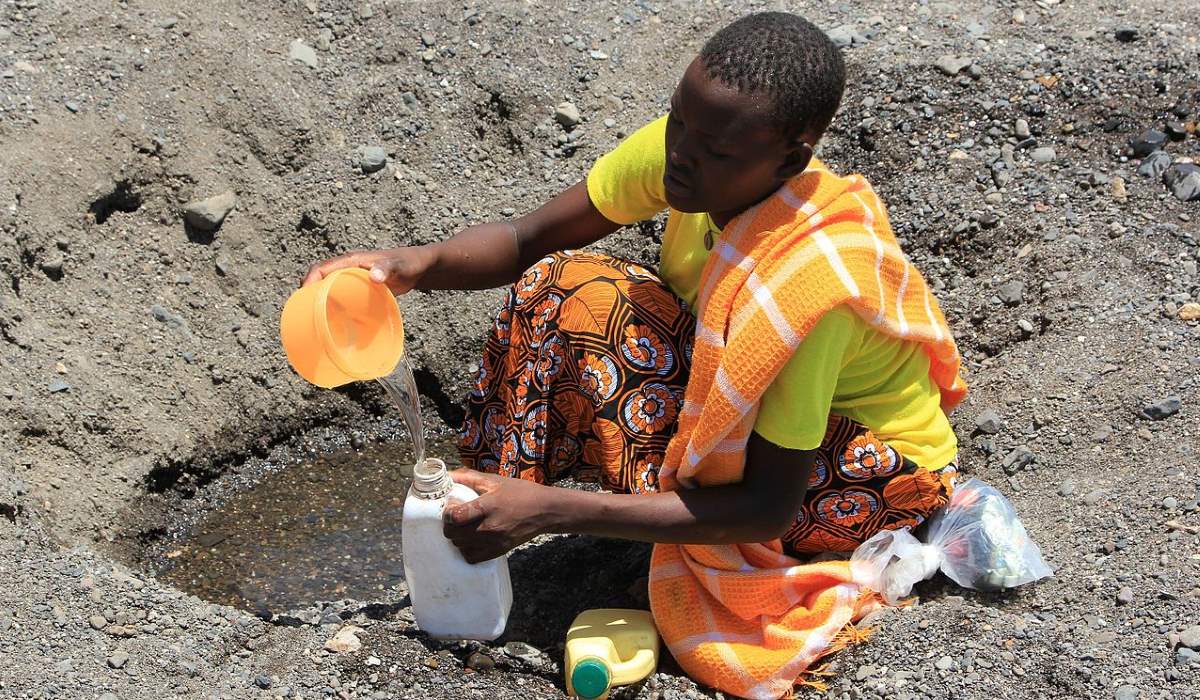
World’s Water Inequality Crisis

Despite today people are living longer, healthier, and happier lives than ever before, there are still many problems that humanity should address. One of the most important of them is water inequality. While people in First World countries can very easily take fresh, clean water for granted, more than 800 million others in impoverished areas have no access to any clean water source. It is a common occurrence in some regions for people to defecate openly, walk more than 30 minutes to access clean water, and share toilets with other humans. In 2018, is this really something that we should just accept as an inevitable way of the world?
Categories
Solar System Astronomy Planet Earth

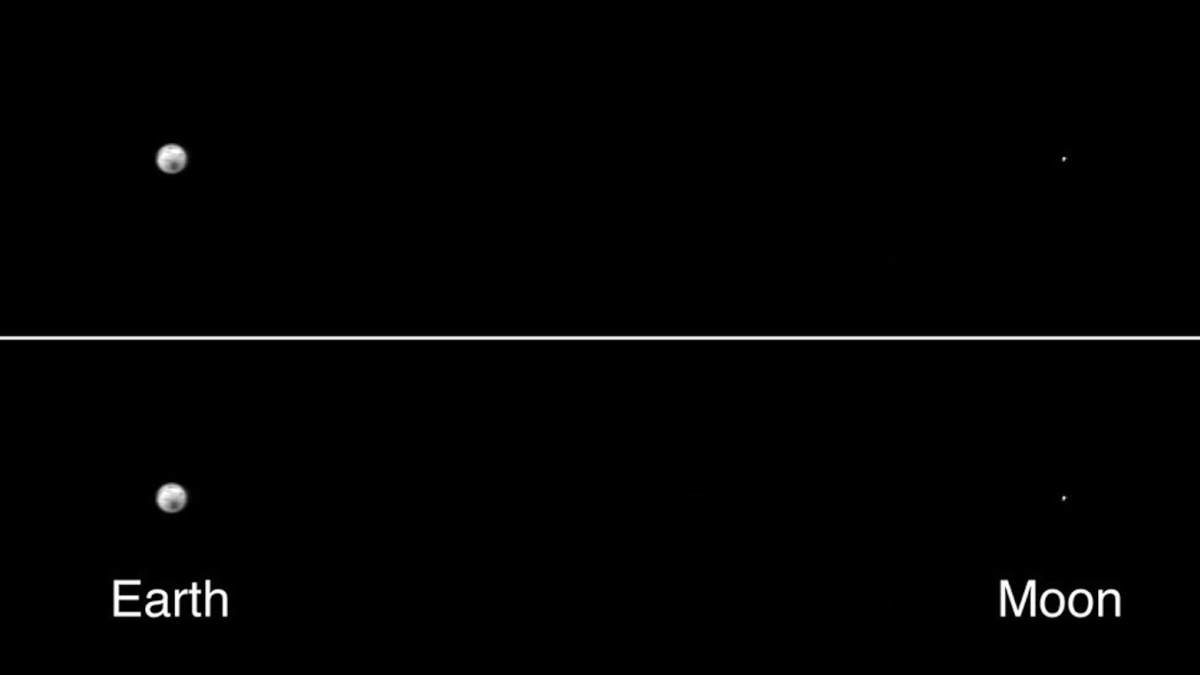
Distance from Earth to Moon: How far is the Moon from Earth?

The average distance between the Earth and the Moon is 384,400 km (238,855 miles). It’s a vast number that’s difficult to truly comprehend, leading many people to believe the Moon is much closer to Earth than it actually is. Astronomical distances are often hard to grasp. While planets and stars are massive, the spaces between them are far greater—beyond the reach of our imagination.

Categories
Prehistoric Animals Climate Global Warming Life on Earth

Dinosaur Killer Asteroid Triggered a Global Warming [And It Lasted 100,000 Years!]

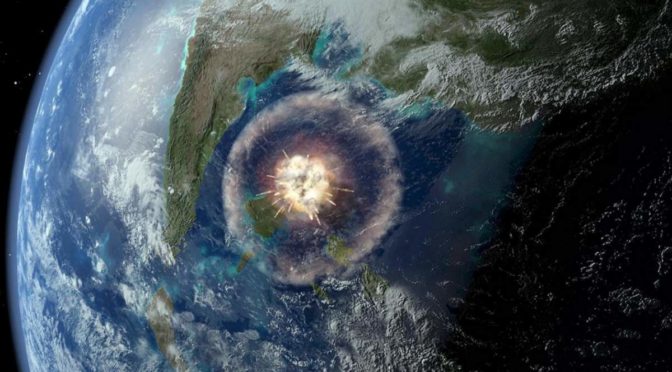
Around 66 million years ago, an asteroid or comet at least 10 kilometers (6 miles) in diameter impacted a few miles from the present-day town of Chicxulub in Mexico (hence it is dubbed as the “Chicxulub impactor”, the “dinosaur-killer”), at around 64,000 kilometers per hour (40,000 mph). The impact has created a crater (Chicxulub crater) more than 180 km (110 miles) in diameter. But, what’s more, the energy of the impact (which is equivalent of about ten billion Hiroshima atom bombs) vaporized the rock which was rich in sulfur compounds, filling the air with a thick cloud of dust, similar to that created by a catastrophic volcanic eruption.

Categories
Solar System Astronomy Life on Earth Planet Earth Prehistoric

What are the Differences Between a Meteoroid, a Meteor, a Meteorite, an Asteroid, and a Comet? [Explained]

Hint: they are all space rocks. But, there are some differences. The biggest difference between an asteroid and a comet, for example, is what they are made of.

Categories
Earth from Space Places Space Exploration

Mont Saint-Michel, France, From Space

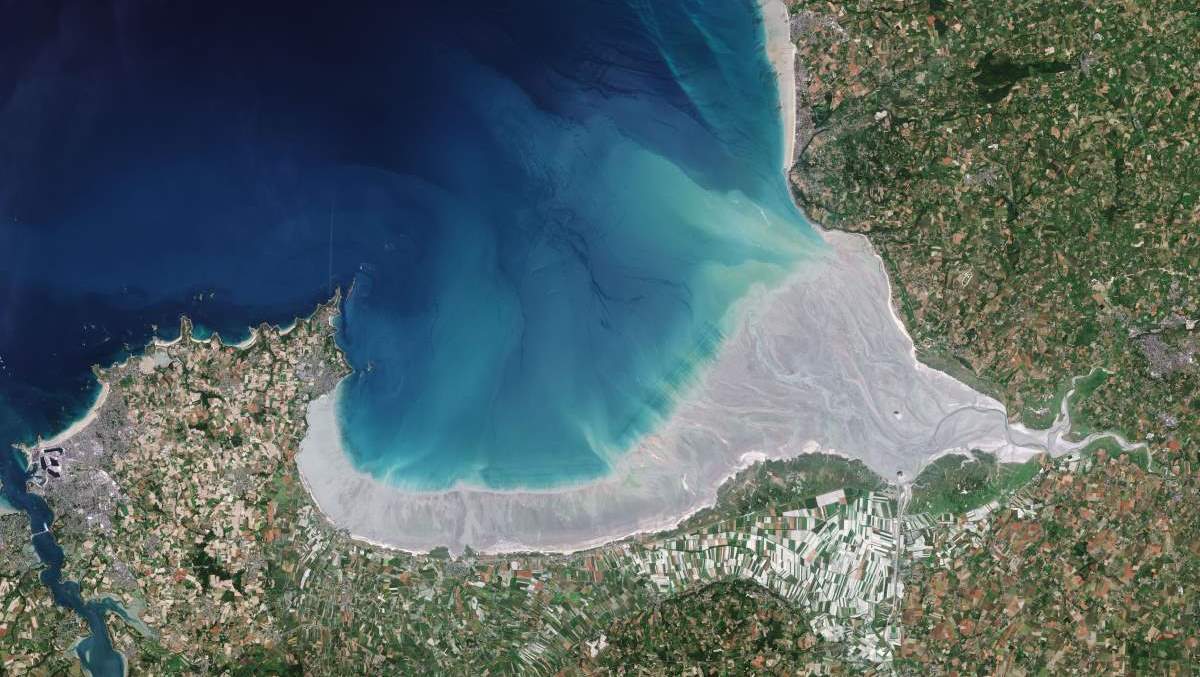
The European Space Agency (ESA) occasionally posts high-resolution photos of space under the title of “week in images”. This amazing image of the Mont Saint-Michel from space, which was captured on 21 June 2017, is also featured on the ESA’s Earth from Space video programme, presented by Kelsea Brennan-Wessels from the ESA Web-TV virtual studios.

Categories
Global Warming Animals Climate Insects Life on Earth Plants

Most species hold their geographic range if we limit global warming to 1.5°C [new study]

If we limit global warming to 1.5°C rather than 2°C above the pre-industrial levels by the year 2100, the impacts of climate change would be much less dramatic, a new study says. According to the researchers, for vertebrates and plants, the number of species losing more than half their geographic range by 2100 will be halved when warming is limited to 1.5°C, compared with projected losses at 2°C. It would be even better for insects, the most diverse group of animals on Earth: the number is reduced by two-thirds.

Categories
Animals Life on Earth

Endangered animals more likely to get donated if they’re cute, study says

43% of Americans would be more likely to donate to an endangered animal if it was cute, according to a study titled “Selective Sympathy: Comparing Sentiment Toward the Appearance of Endangered Species” published by African Wildlife Foundation (AWF). A team at AWF has surveyed 1k Americans on how much they know about wildlife conservation, and how much they’re willing to open their wallets to help endangered animals. Here’s what they found.

Categories
Astronomy Planet Earth

TRAPPIST-1e has an Iron Core

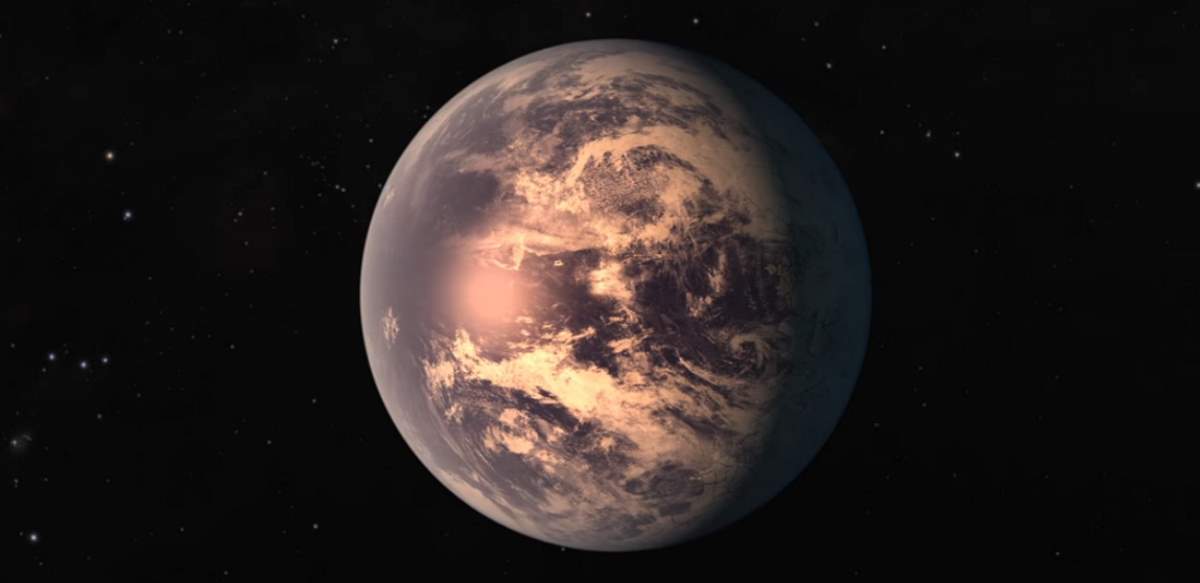
A new study published on April 26, 2018, suggests that TRAPPIST-1e, an exoplanet orbiting the red dwarf star TRAPPIST-1, has a large iron core. This could mean that the planet TRAPPIST-1e may have a protective magnetosphere (see notes 1) as we have here on Earth.

Categories
Climate Astronomy Planet Earth

What would happen if the Earth started spinning backward?

The dynamics of the ocean and the atmosphere are strongly influenced by the Earth’s rotation. Currently, our planet rotates from west to east (prograde, which appears counterclockwise) with a linear velocity of 465.1013 m/s (1674.365 km/h or 1040.40 mph) at the equator. What would happen if the Earth started spinning backward (from east to west)?

Categories
Planet Earth Life on Earth Plants

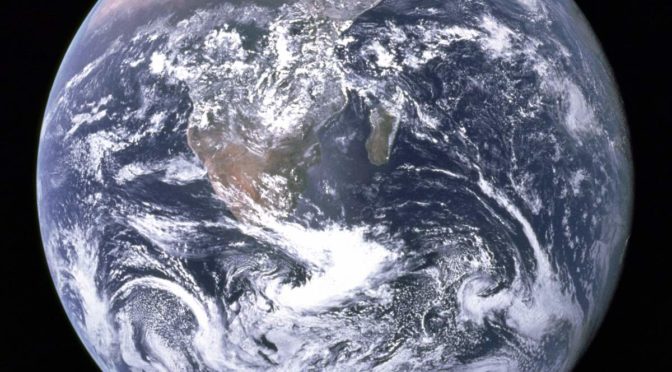
Earth’s Biosphere from space [The Green Marble]