Categories
Life on Earth Animals Climate Prehistoric

Here’s how the darkness and cold killed the dinosaurs 66 million years ago

The catastrophic event that ended the reign of the dinosaurs 66 million years ago has been a subject of fascination and research for decades. A groundbreaking study by the Potsdam Institute for Climate Impact Research, detailed in their 2017 article “Baby, it’s cold outside: Climate model simulations of the effects of the asteroid impact at the end of the Cretaceous,” offers a compelling computer simulation of the aftermath of the Chicxulub asteroid impact.

This simulation reveals how prolonged darkness and severe cold, triggered by sulfuric acid droplets blocking sunlight, led to a dramatic global temperature drop and significant ecological shifts, ultimately contributing to the mass extinction of the non-avian dinosaurs and other species. This research not only illustrates the direct consequences of the asteroid impact but also provides insights into the complex climatic and environmental changes that followed, marking a pivotal moment in Earth’s history.

Baby, It’s Cold Outside: How the Darkness and Cold Killed the Dinosaurs

Scientists created a computer simulation of how the afterward effects of the famous Chicxulub asteroid (estimated to be 10 km/6.2 miles wide) killed the non-avian dinosaurs (and also a wide range of other species). According to a new study, after the devastating impact, the darkness and cold killed the dinosaurs 66 million years ago.

On January 13, 2017, an article titled “Baby, it’s cold outside: Climate model simulations of the effects of the asteroid impact at the end of the Cretaceous”, published by the Climate Scientists of Potsdam Institute for Climate Impact Research (PIK), revealed a detailed model of what happened to the atmosphere and the climate after the Chicxulub impact.
Categories
Earth from Space Climate Space Exploration

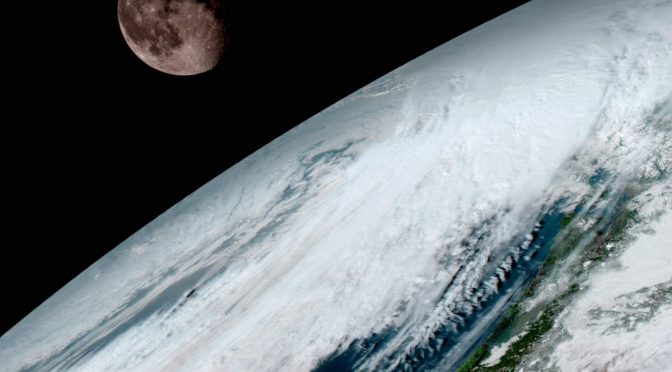
GOES-16 Satellite delivers breathtaking Earth Images

The first set of images from the GOES-16 satellite (see notes 1) have been released by the National Oceanic and Atmospheric Administration (N0AA). In the video below, published by Space.com, you can see the amazing images of the Earth and the Moon.

Categories
People Climate Global Warming

Human Population Through Time [Video]

The Earth is getting more crowded every single day. As of 2023, the world population was estimated at 8 billion. Our planet is already overpopulated, and despite the growth of the population slowing down, the situation will be worse: the United Nations estimates it will further increase to 11.2 billion in the year 2100.

Here is a video published by the American Museum of Natural History showing the World’s population through time.

Categories
Planet Earth Climate Geology Places

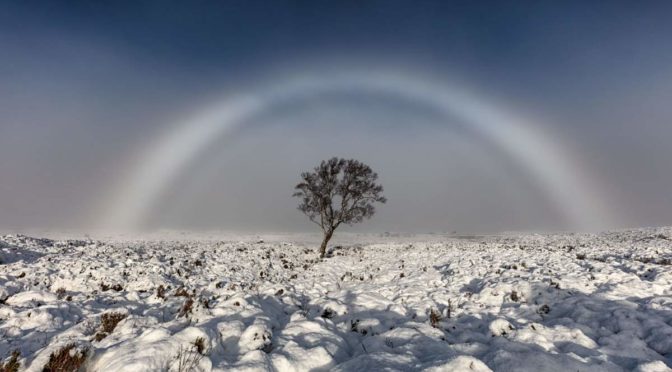
Top 10 Rare Natural Phenomena

Some natural events are so rare, so strange, but amazingly beautiful at the same time. They even seem out of our world, and sometimes it’s hard to believe they truly exist. Here are a few of them, 10 stunning and rare natural phenomena.

Categories
Places Climate Global Warming Mountains Oceans Travel

8 famous places to see before they have vanished

There are a lot of natural and human-made wonders in the world. But everything has an end, and sooner or later, they’ll be gone. Unfortunately, some of them will be vanished sooner, even in a few decades. Here are eight famous places to see before they have vanished, just in case you may want to see them before they are gone.

Categories
Climate

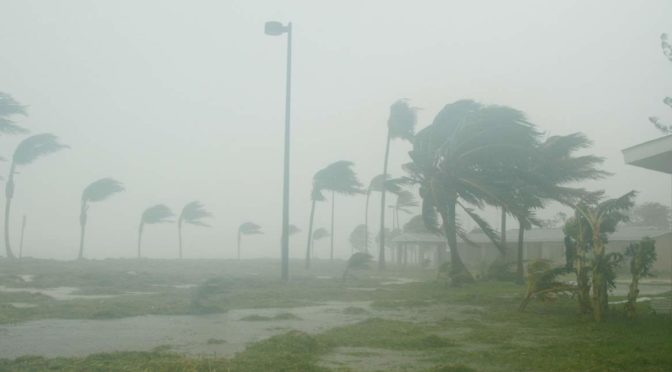
Saffir-Simpson Hurricane Wind Scale Explained [Wind Speed and Categories]

The Saffir-Simpson hurricane wind scale (SSHWS) is a 1 to 5 rating based on a hurricane’s sustained wind speed. The Weather Channel meteorologist Mark Elliot prepared a video titled “Why Hurricane Categories Make a Difference” and explained what each category means.

Categories
Climate Places Planet Earth

Where is the Rainiest Place on Earth? Discover the Top 10 Wettest Places in the World

Have you ever wondered where the rainiest place on Earth is? Our planet is unique in the solar system, as it’s the only one known to have liquid water on its surface – essential for all forms of life. Rain is a vital part of the water cycle, which moves water continuously on, above, and below Earth’s surface. It also deposits much of the freshwater we rely on. Let’s explore the top ten wettest places on Earth, where rain truly reigns.

Categories
Climate

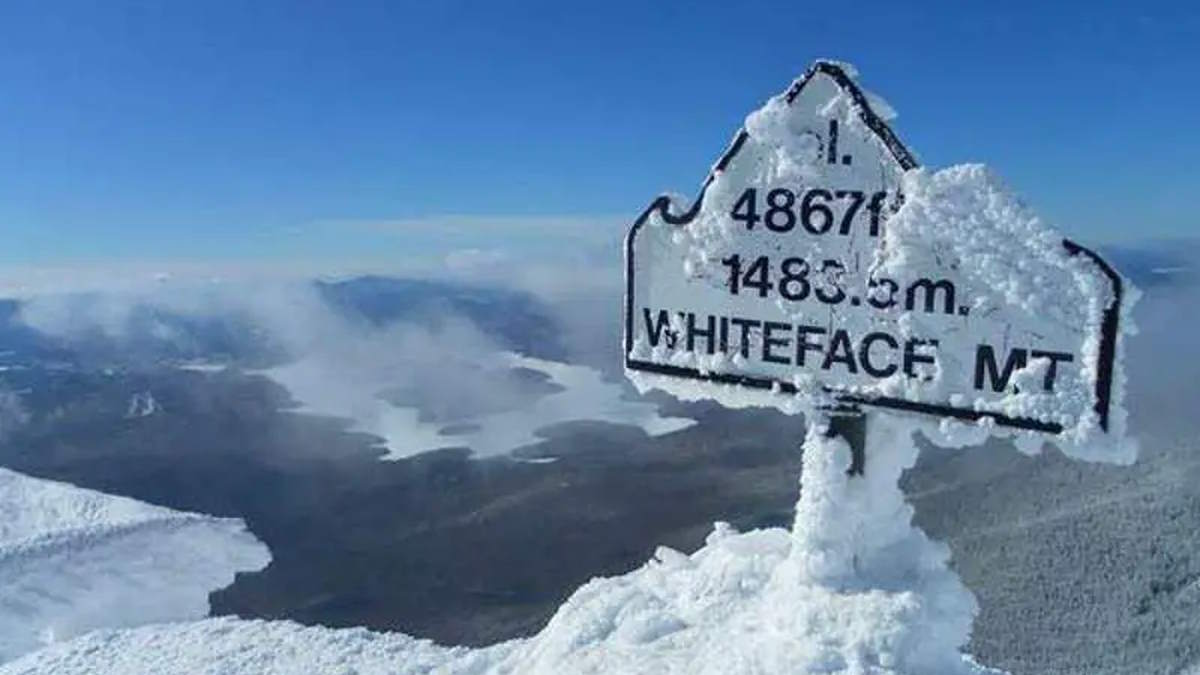
Whiteface Mountain [New York] hits -114 °F [-81.11 °C] wind chill at its summit

While New York City suffers the coldest Valentine’s Day in 100 years, as East Coast is hit with a record-low wind chill of -36 °F (-37.77 °C), Whiteface Mountain reached -114 °F (-81.11 °C) wind chill at its summit. And it was even colder than the windchill in Antarctica.

With an elevation of 1,483 meters (4,865 feet) above sea level, Whiteface Mountain is the fifth-highest mountain in the U.S. state of New York. On Saturday night (February 13-14, 2016), the Arctic winds blew at 45 mph (72.42 km/h) at the summit, and according to the U.S. National Weather Service, it was actually colder than Antarctica on Sunday. It’s probably one of the lowest temperatures ever recorded outside of the poles of Earth.

Categories
Global Warming Climate Oceans

Here’s what Earth would look like if all the ice melted

Our planet is getting warmer every year, and the horrible fact is, global warming is accelerating. As a natural result, the glaciers are melting at an increasing speed. What if all the Earth’s ice melted?

Almost 10% of the world’s land surface is currently covered with glaciers, mostly in places like Greenland and Antarctica. The amount of water locked up in ice and snow is only about 1.7 percent of all water on Earth (332,500,000 cubic miles, or 1,386,000,000 cubic kilometers), but the majority of total freshwater on Earth, about 68.7%, is held in ice caps and glaciers. And if all land ice melted the seas would rise about 70 meters (about 230 feet).

What if all this ice melted? What would Earth look like? Alex Kuzoian of Business Insider prepared a video showing the effects of the global melting, and if it happens, “this would dramatically reshape the continents and