Categories
Earth from Space Space Exploration

Earth from the International Space Station [Live HD Streaming]

The International Space Station (ISS) has been orbiting Earth since 1998, providing scientists and astronauts with an unparalleled view of our beautiful planet. But thanks to advancements in technology and the availability of high-speed internet, people all over the world can now experience breathtaking views of Earth from the ISS in real time.

Live HD streaming of Earth from the ISS has become a popular way for people to connect with the beauty and fragility of our planet, and to gain a deeper understanding of the science and technology that make this remarkable feat possible.
Categories
Earth from Space Geology Life on Earth Places Planet Earth

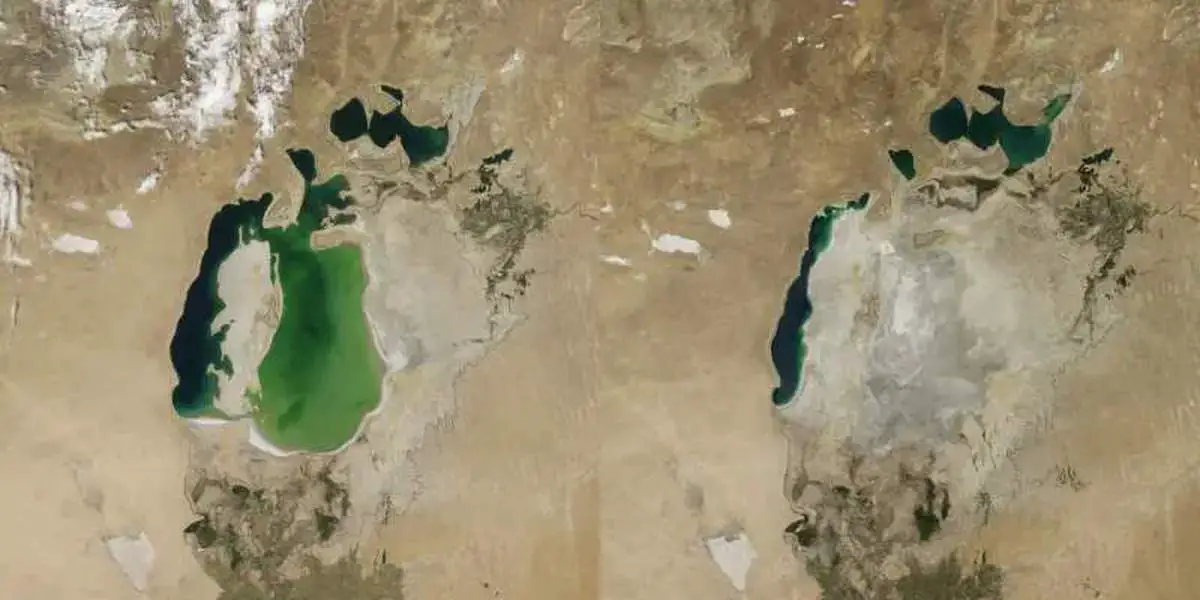
Changing Earth: How Satellites Give us a Unique Perspective on our Evolving Planet

The ever-changing Earth: our planet is constantly changing over the years. Some changes are part of nature, and some of them are on humanity’s shoulders. Some scientists even suggest that the Earth has entered a new geological epoch defined by human impact, called the “Anthropocene“. Over the years astronauts have taken photos of the Earth from space and documented these changes. NASA’s World of Change series shows how our planet’s land, oceans, atmosphere, and Sun are changing over time.

Categories
Geology Earth from Space Places

10 Krakatoa facts about the 1883 eruption

On August 26-27, 1883, one of the most notorious volcanic eruptions in history occurred. Krakatau (often spelled Krakatoa) erupted with an estimated 10,000 thousand times the force of the Hiroshima atomic bomb. The eruption was so violent that two-thirds of the island of Krakatoa and its surrounding archipelago were destroyed: about 23 square kilometers of Earth sank into the Sunda Strait.

Across Java and Sumatra, burning rock rained down, damaging and even destroying settlements. The sky went black.

Here are 10 amazing facts about the 1883 eruption of Krakatoa.

Categories
Earth from Space Astronomy Life on Earth Solar System Space Exploration

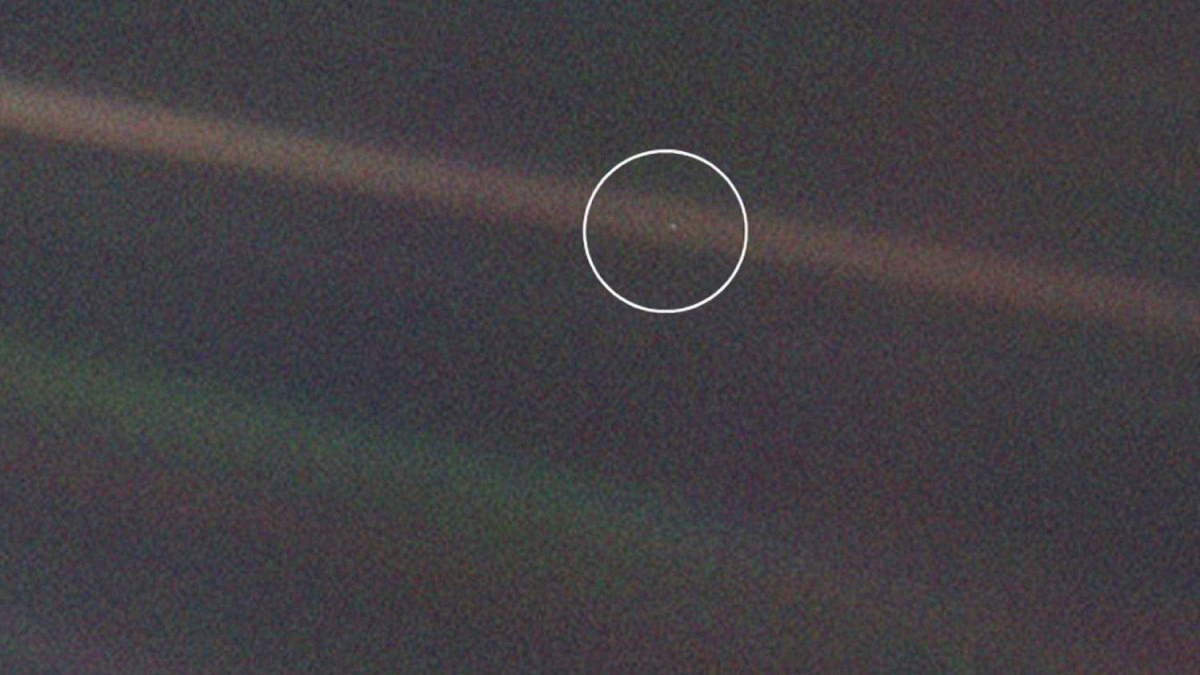
Pale Blue Dot

On February 14, 1990, NASA’s Voyager 1 spacecraft turned its camera back toward home one last time. From more than 4 billion miles (6.5 billion kilometers) from the Sun, roughly 43 times farther than Earth’s own distance from the Sun, it photographed our planet as a speck just 0.12 pixels across, caught in a ray of scattered sunlight. The image was taken at the suggestion of astronomer Carl Sagan, who called it the “Pale Blue Dot.” It became one of the most iconic photographs in the history of space exploration, not because of what it shows, but because of how little it shows.