On September 3, 1976, the lander of NASA’s Viking 2 spacecraft (which consisted of an orbiter and a lander) separated from the orbiter and safely landed on Mars.
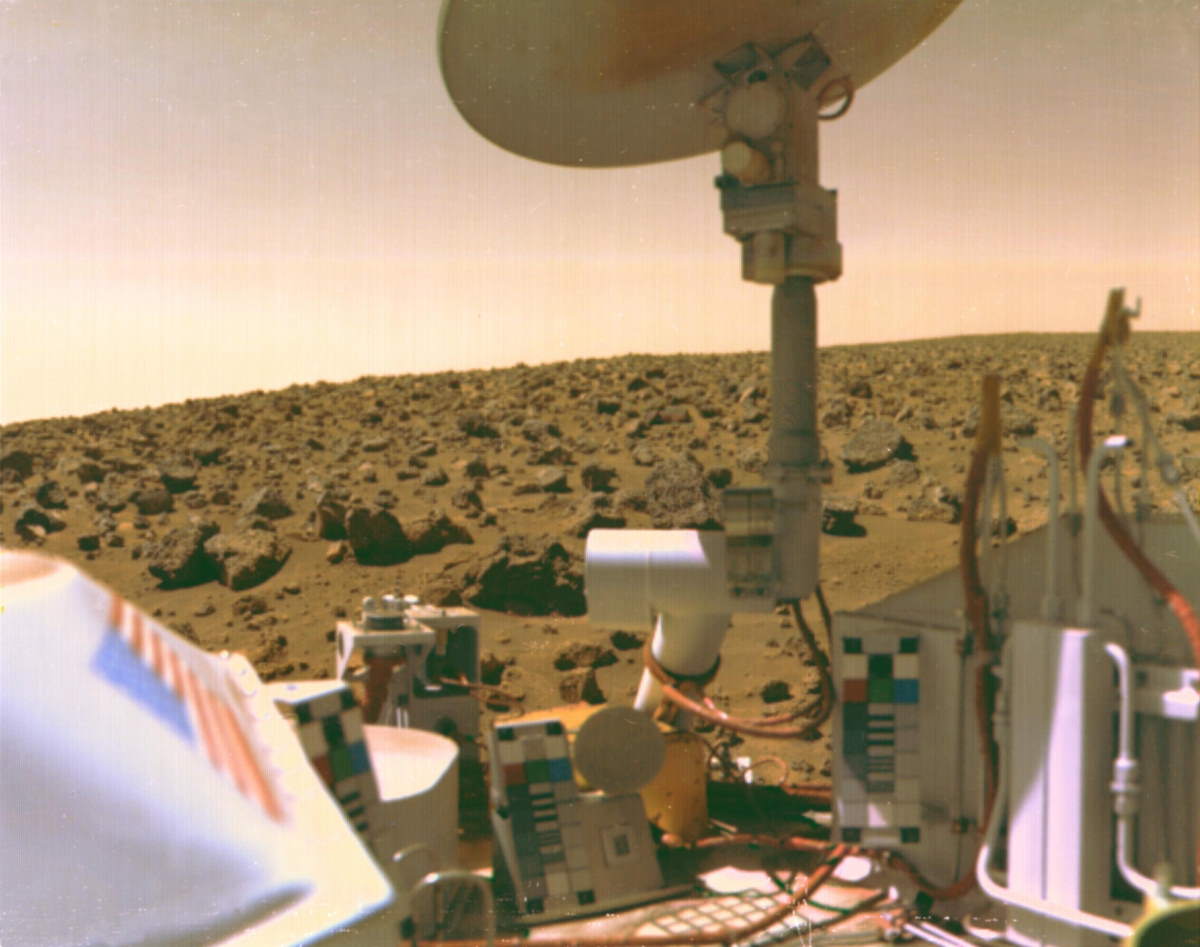
On September 3, 1976, the lander of NASA’s Viking 2 spacecraft (which consisted of an orbiter and a lander) separated from the orbiter and safely landed on Mars.
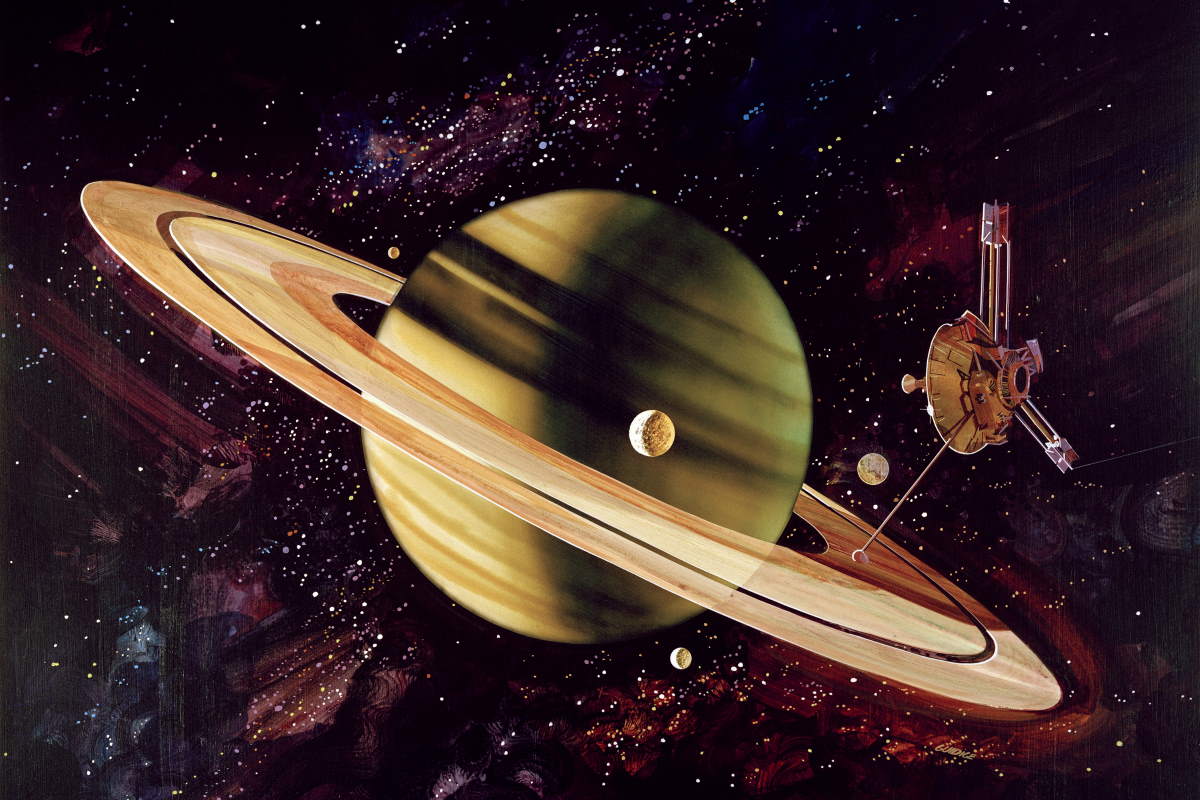
On September 1, 1979, NASA’s Pioneer 11 spacecraft performed the first Saturn flyby in the history of space exploration, at a distance of 21,000 km (13,000 miles) from Saturn’s cloud tops.
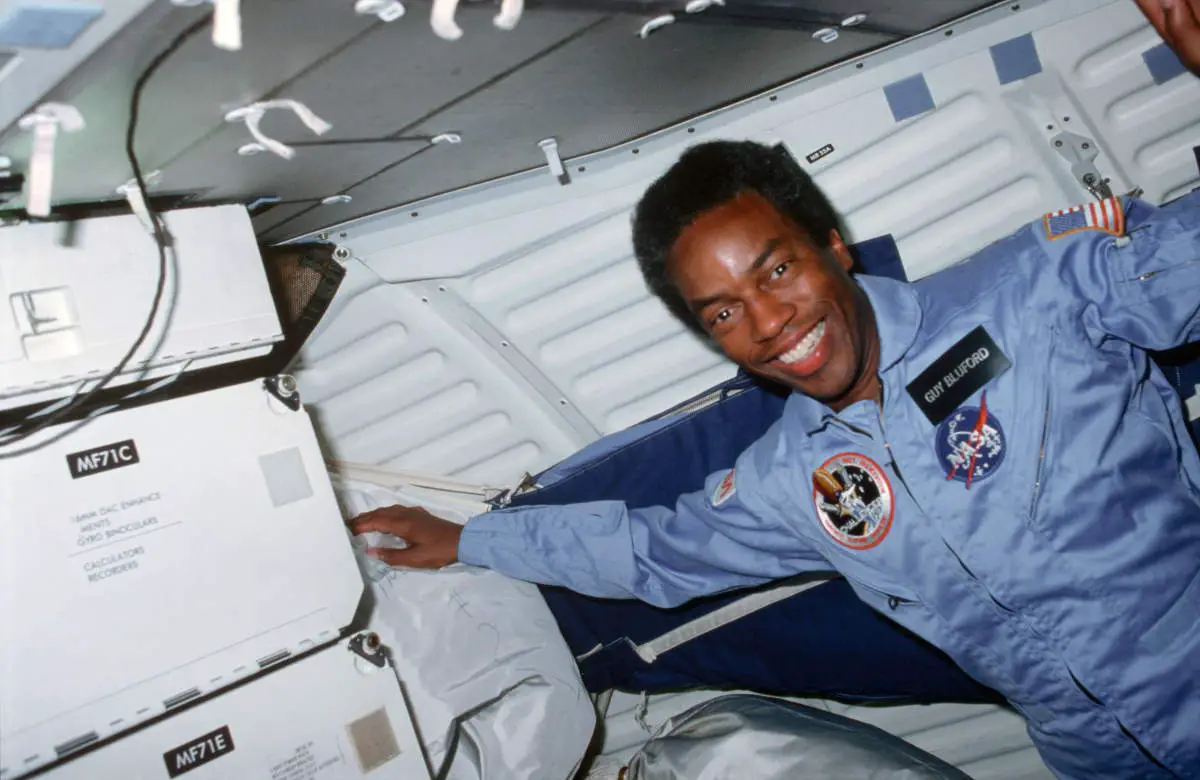
On August 30, 1983, Guion Bluford, better known as Guy, was launched aboard Space Shuttle Challenger’s STS-8 mission on August 30, 1983, he became the first black astronaut in space.

Polar bears, Kodiak bears, Grizzly bears, and Kamchatka brown bears are among the largest bear species in the world. But, which one is the biggest bear in the world?
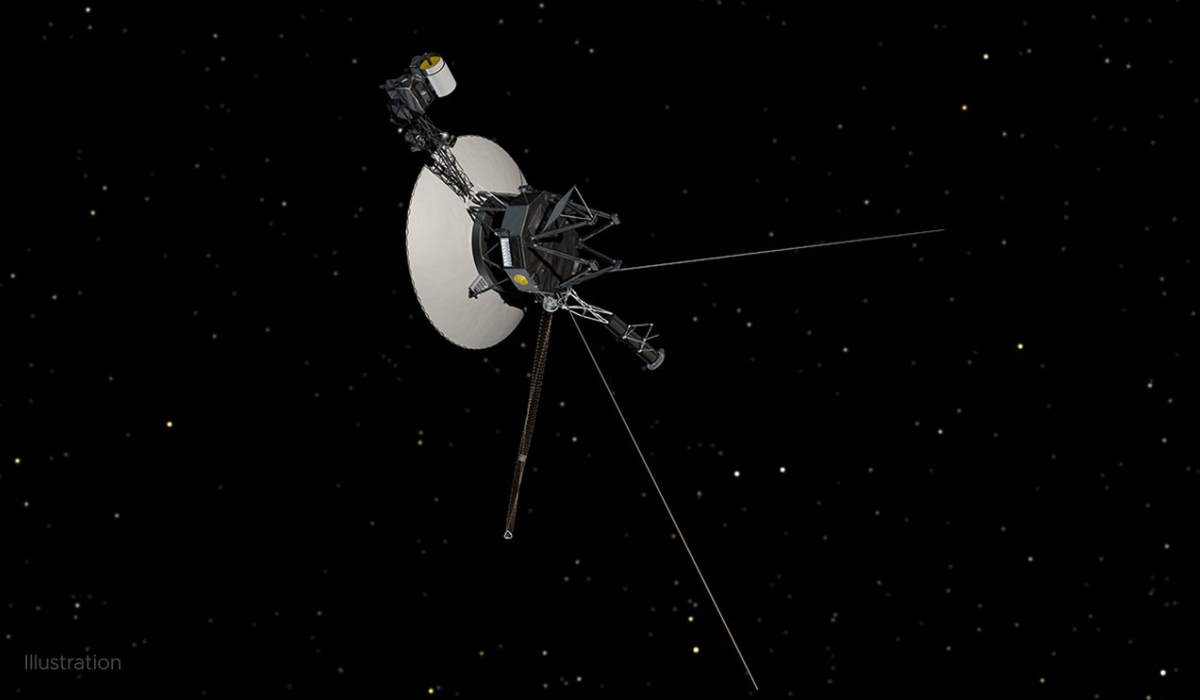
On August 25, 2012, NASA’s Voyager 1 spacecraft crossed the heliopause, the theoretical boundary of our solar system where the Sun’s solar wind is stopped by the interstellar medium, and became the first spacecraft in interstellar space.
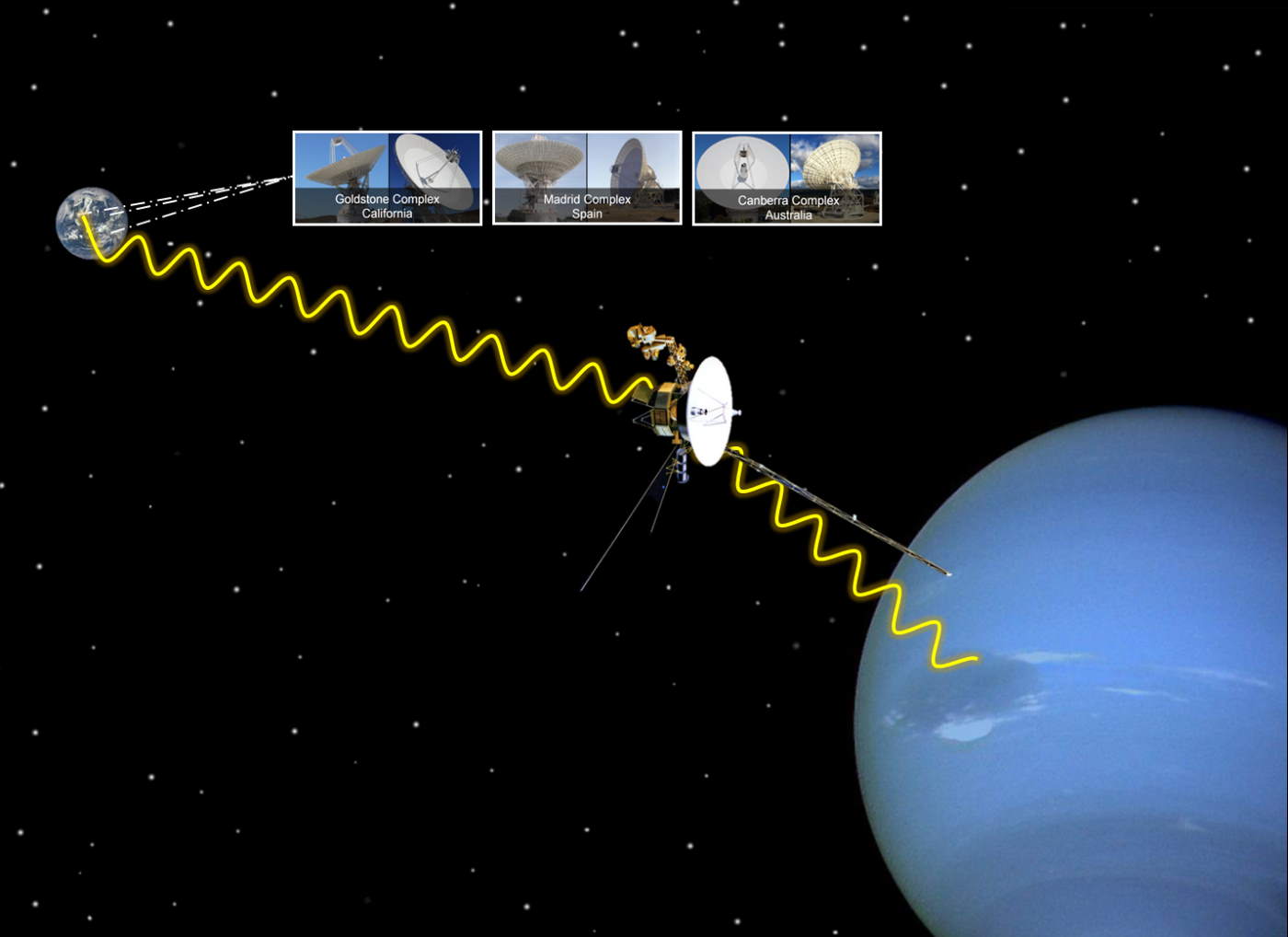
On August 25, 1989, Voyager 2 performed a close Neptune flyby, giving humanity its first close-up of the eighth (and the outermost) planet of our solar system. Neptune was the spacecraft’s final planetary target.
That first Neptune flyby was also the last: No other spacecraft has visited Neptune since.
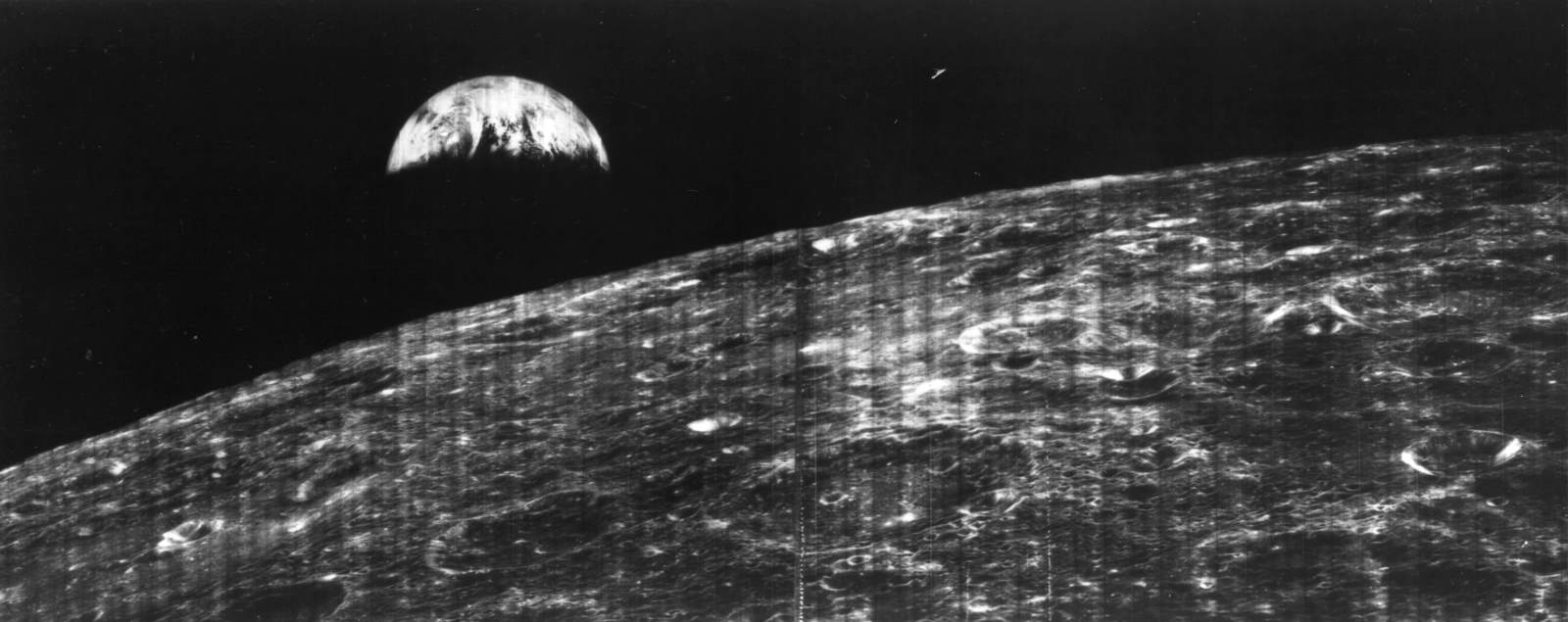
On August 23, 1966, NASA’s Lunar Orbiter 1 robotic spacecraft took the first photograph of Earth from the Moon’s orbit.

Everyone knows at least a little about dogs, or they at least know they love them. But there’s probably a lot you don’t know about man’s best friend, including where that phrase comes from!
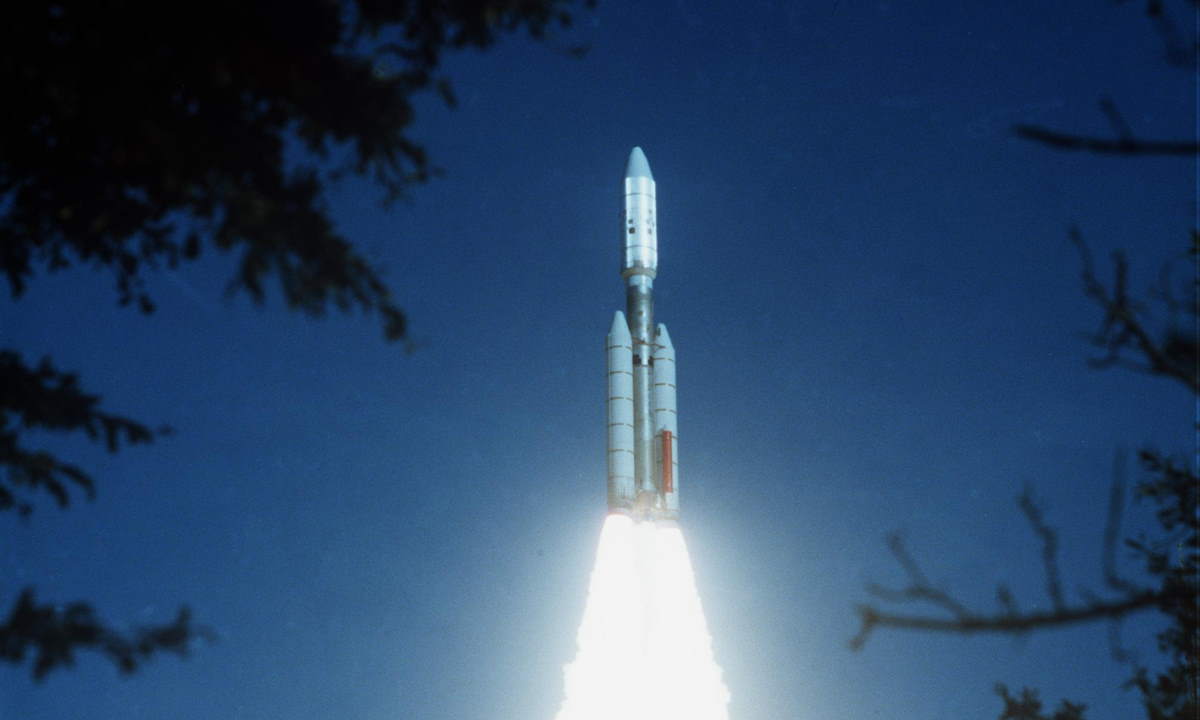
On August 20, 1977, Voyager 2 was launched from Cape Canaveral on top of a Titan IIIE-Centaur rocket. It launched before Voyager 1, which was sent into space on September 5, 1977.
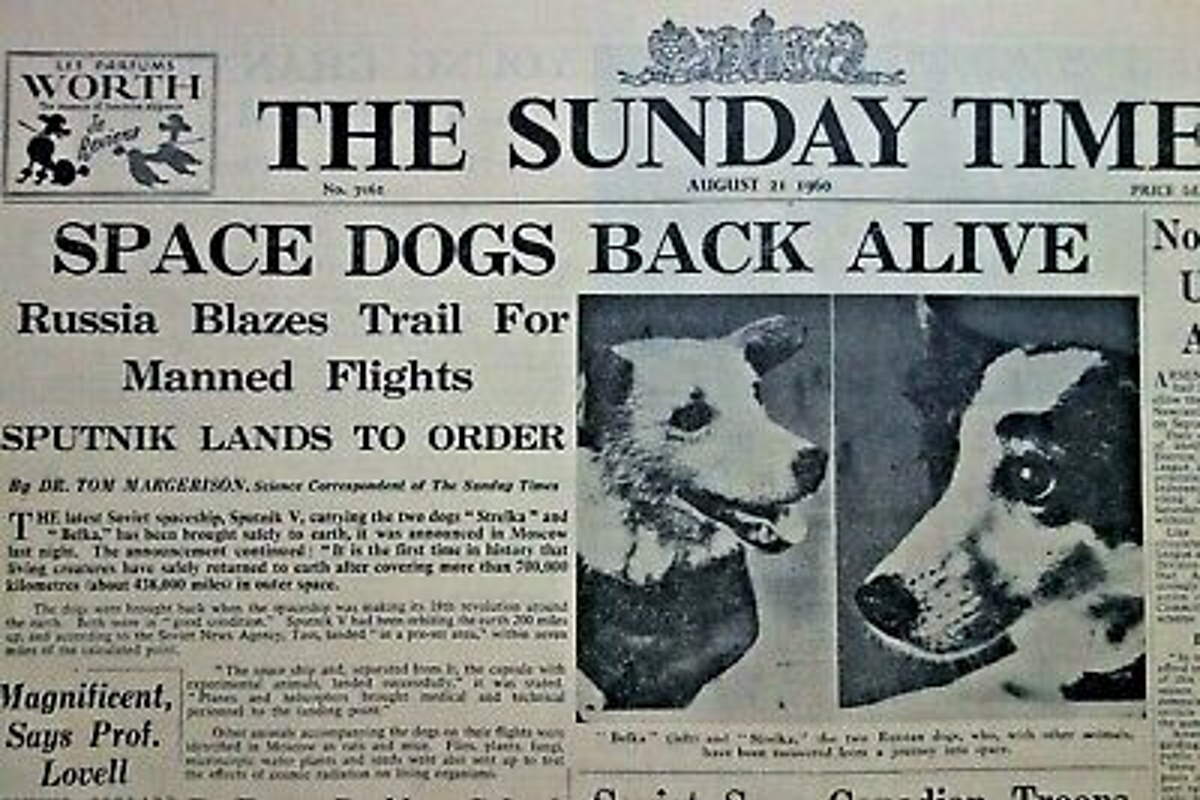
On August 20, 1960, the first animals and plants returned alive from an orbital spaceflight. Launched on August 19, the Soviet Union’s Korabl-Sputnik 2 (also known as the Sputnik 5) was the first spaceflight to send animals and plants into orbit and return them safely back to Earth. it paved the way for the first human orbital spaceflight, Yuri Gagarin’s Vostok 1, which was launched on April 12, 1961.