Categories
Environment Animals Life on Earth

Top 5 Places that require bird control

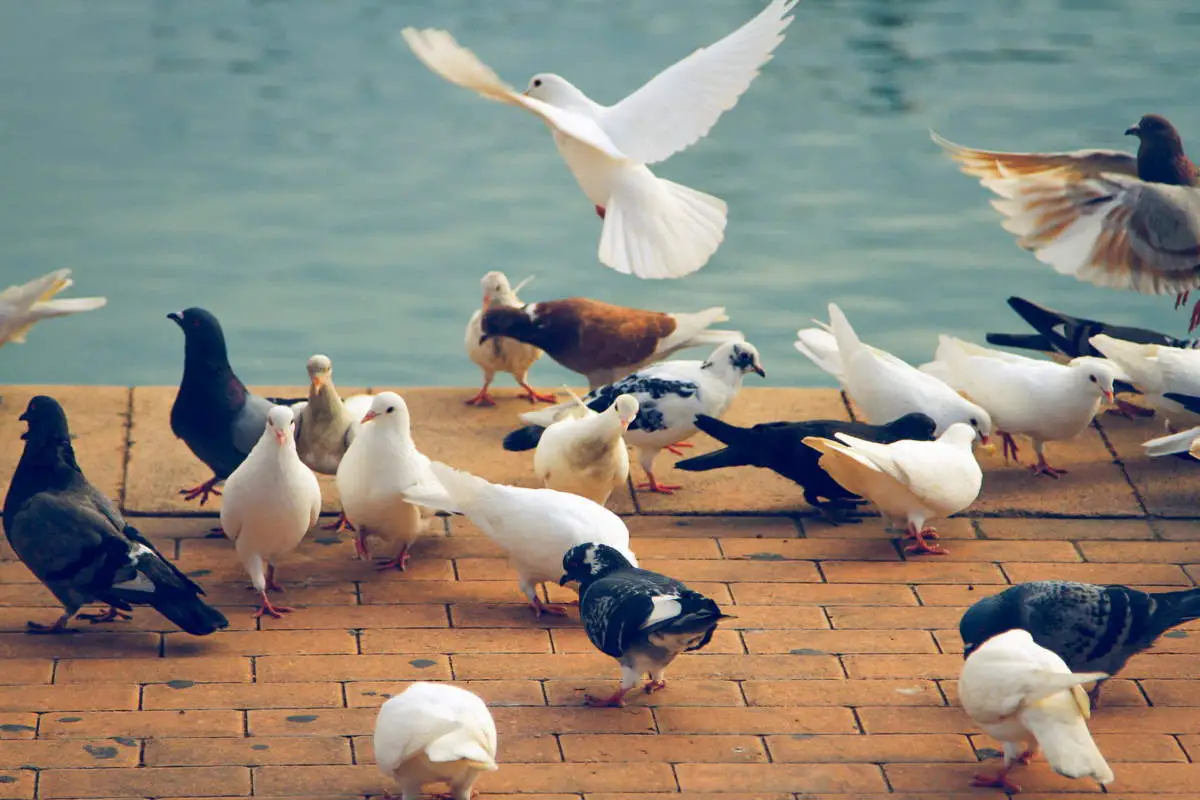
Today, pigeons have made themselves feel at home in the cities like New York, but they actually belong to the seaside cliffs in the rest of the world where they were domesticated thousands of years ago. They were farmed for protein at first, like chicken. Then they were bred as messengers. Around the 16th century, pigeons became show birds because of the hobbyists. And when Europeans moved to North America in the same century, they brought pigeons with them. To cut it short, the link between humans and pigeons goes way back.
Categories
Environment People

Why Fake Meat Is the Future? The Importance of Lab-Grown Meat

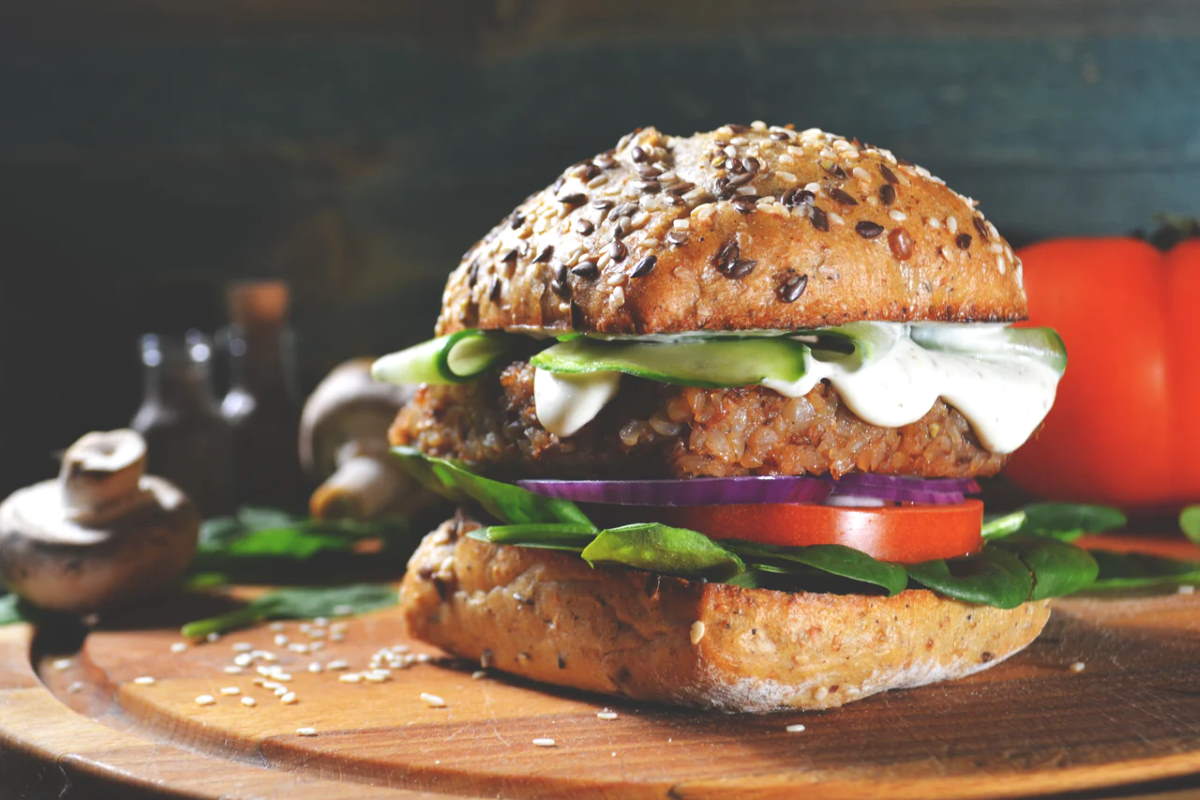
Since people are becoming more conscious about the impact of meat consumption on our planet, we are beginning to shift our diets from “normal” to pescatarian, flexitarian, vegan, and so on and so forth. According to a recent study conducted at the University of Oxford, we should be eating 75% less beef and 90% less pork if we wanted to survive the global warming phenomenon, which is why people are starting to take action in this direction. If you are on the verge of becoming vegetarian yourself but enjoy your meat way too much to say stop, maybe fake meat is something you should consider.

Categories
Environment Places Travel

The Impact of Overtourism on our Environment

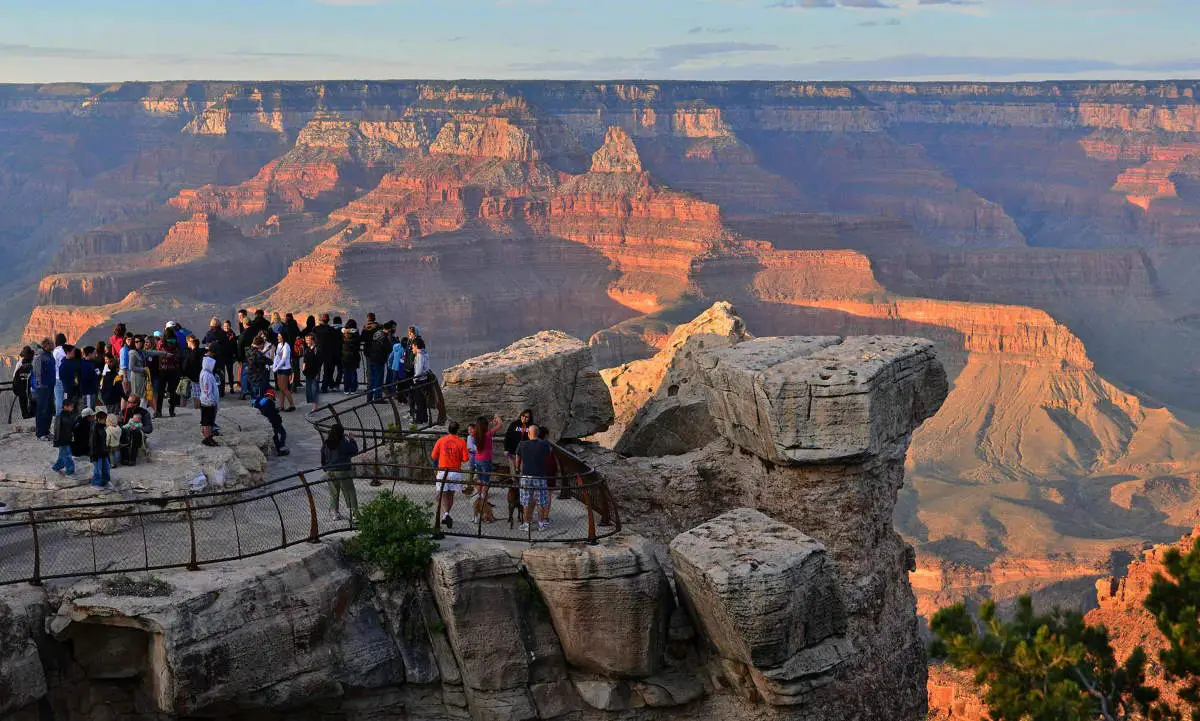
When you think of the Grand Canyon or the Great Smoky Mountains, beautiful scenery immediately comes to mind. You might begin to imagine the incredible views, towering cliffs, lush landscapes, and color schemes that far exceed anything you’ve ever seen in a painting.

Categories
Environment

Strategies Businesses Are Taking to Reduce Their Single-Use Plastic Use

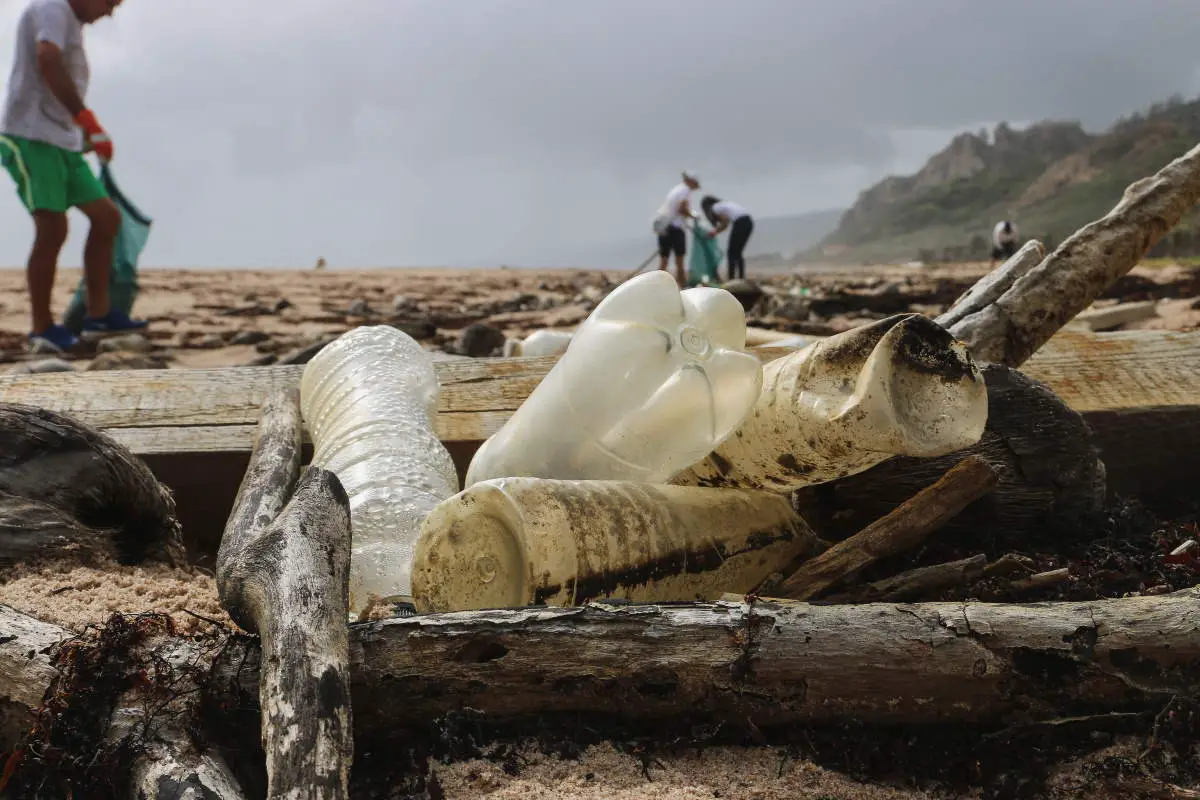
Single-use plastics can be convenient, but more often than not, they have a lasting negative impact on our planet. They end up in our landfills, oceans, and ecosystems creating problems for animals and plants alike. In fact, half of all plastic in the world was created in just the last 13 years, and according to National Geographic, only 9% of that plastic is actually recycled. That is 6.3 billion metric tons of plastic waste with nowhere to go. These plastics are then unable to biodegrade, so they just continue to break down into smaller and smaller microplastics which causes more systemic problems.

Categories
Software Artificial Intelligence Technology

5 Ways Software Helps to Save the Planet

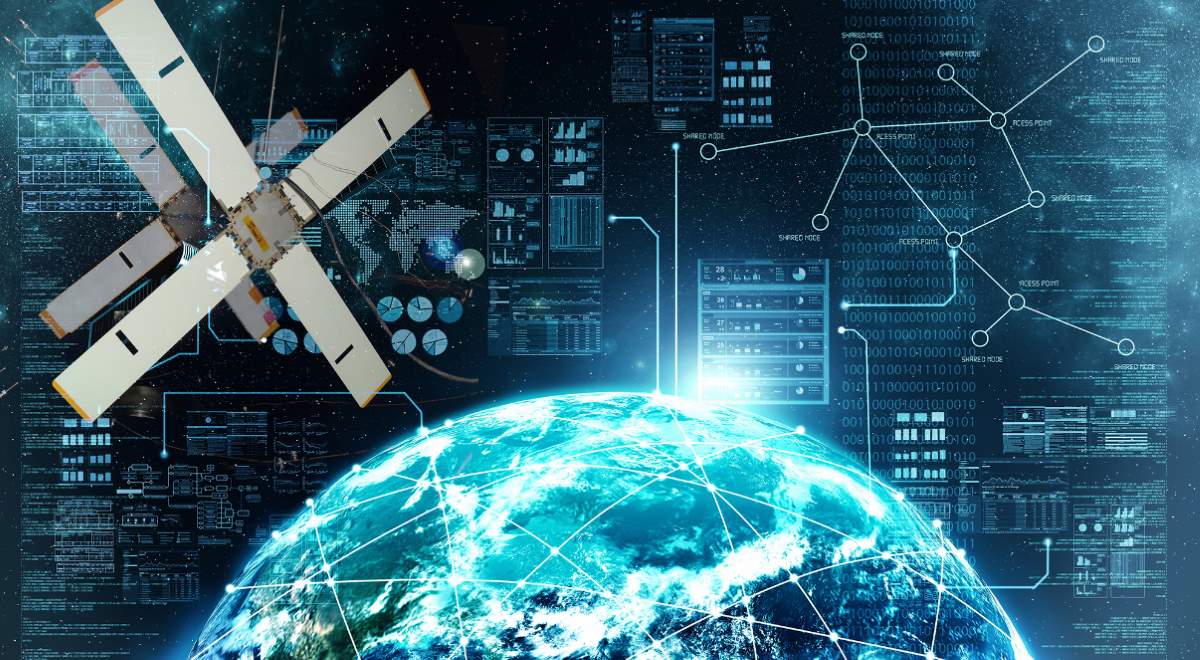
We all have heard about the influence that our technology-driven world is having on our planet – from industrialization to excessive resource consumption and carbon emissions. And when it comes to saving our planet from constant climate change, there are tons of main schools of thought. Some believe that with innovative economic and technological development, we’ll find a way to protect the ecological balance and clear out our environmental messes. The people on the other end of the spectrum believe that we should let nature takes its course and integrate only environmentally sustainable practices. Also, we should instead focus on reducing our resource consumption and conserving the natural environment.

Categories
Planet Earth Geology

Structure of Earth

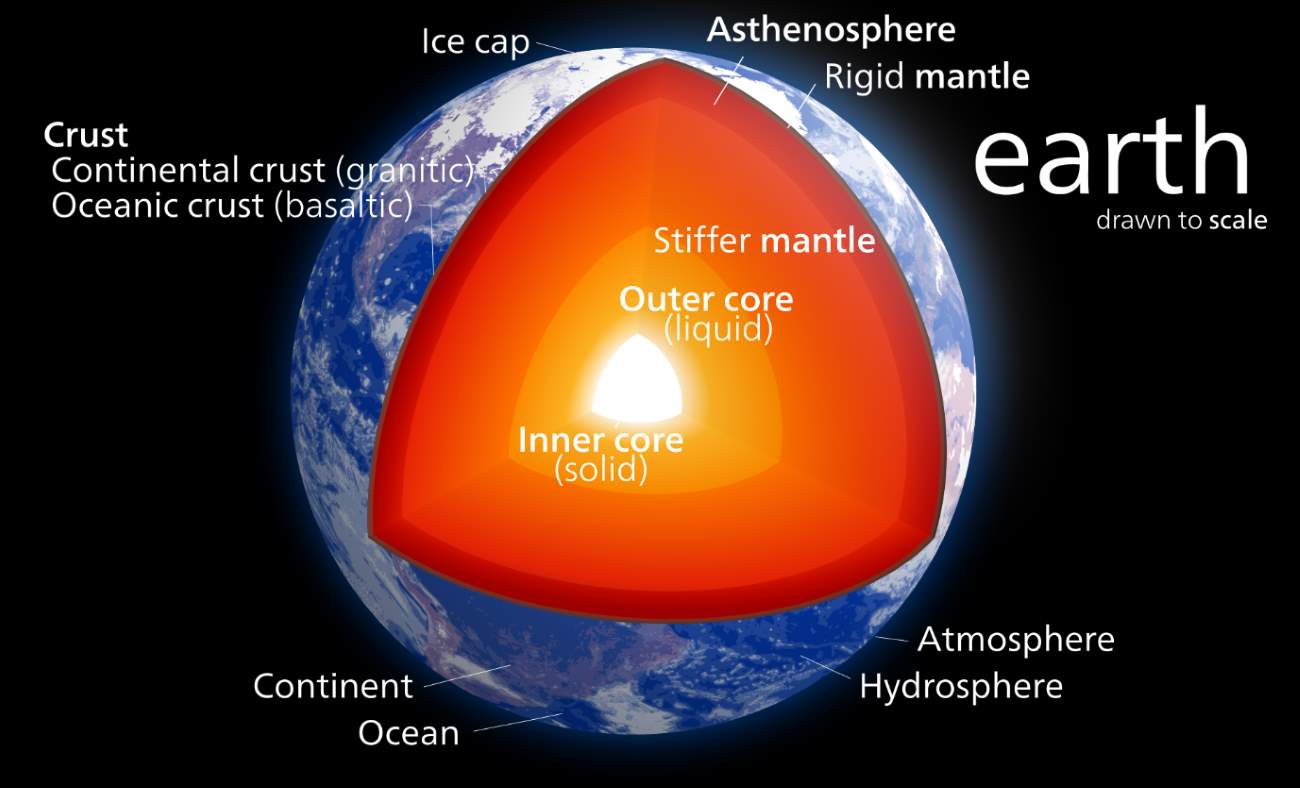
The universe is shrouded in mystery, and part of this mystery involves our own little planet. Although there have been countless research, the scientists and experts have only been able to barely scratch the surface (both figuratively and literally) in the case of planet earth.

However, the studies in Seismology have allowed us to gather sufficient information about the Earth and its structure. The planet comprises several layers, which have their own attributes, and composition. So let’s dive in further to discover some enlightening aspects.

Categories
Solar System Astronomy Science Fiction Space Exploration

5 Surprising Facts about Mars

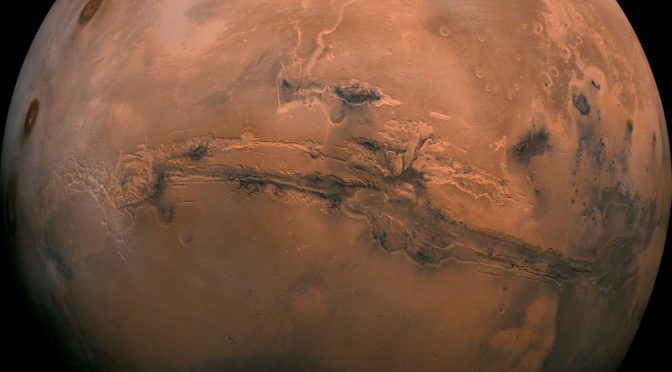
For eons, skywatchers have been fascinated by the pale red dot that not only unpredictably moves backward in the night sky but also shines a compelling blood-red. Its color, indeed, is one of the first features we notice about Mars. It seizes our attention, and its compelling ambiguity has evoked a deep visceral reaction from the nomad in ancient savannas to modern astronomers.

The ancient astronomer may be satisfied to know that, in fact, Mars is literally blood-red: the same chemical reaction that occurs in the iron in Mars’ soil is the same as the same chemical reaction that occurs in the hemoglobin molecule. Mars, is, quite literally, blood red. Even with our cutting-edge technology and science, Mars still bewitches and amazes us as seen with these five surprising facts about Mars.