
If we want to colonize Mars in the future, it would be better for us to terraform the planet, in order to make the colonization process safer and sustainable. But, terraforming Mars will be a real challenge for humanity.
Category: Space Exploration

On December 16, 1992, eight days after its final encounter with Earth, NASA’s Galileo spacecraft looked back and captured this remarkable view of Earth and the moon.

An amazing NASA photo: the crescent Earth rises above the lunar horizon in this spectacular photograph taken from the Apollo 17 spacecraft in lunar orbit during the final lunar landing mission in the Apollo program.
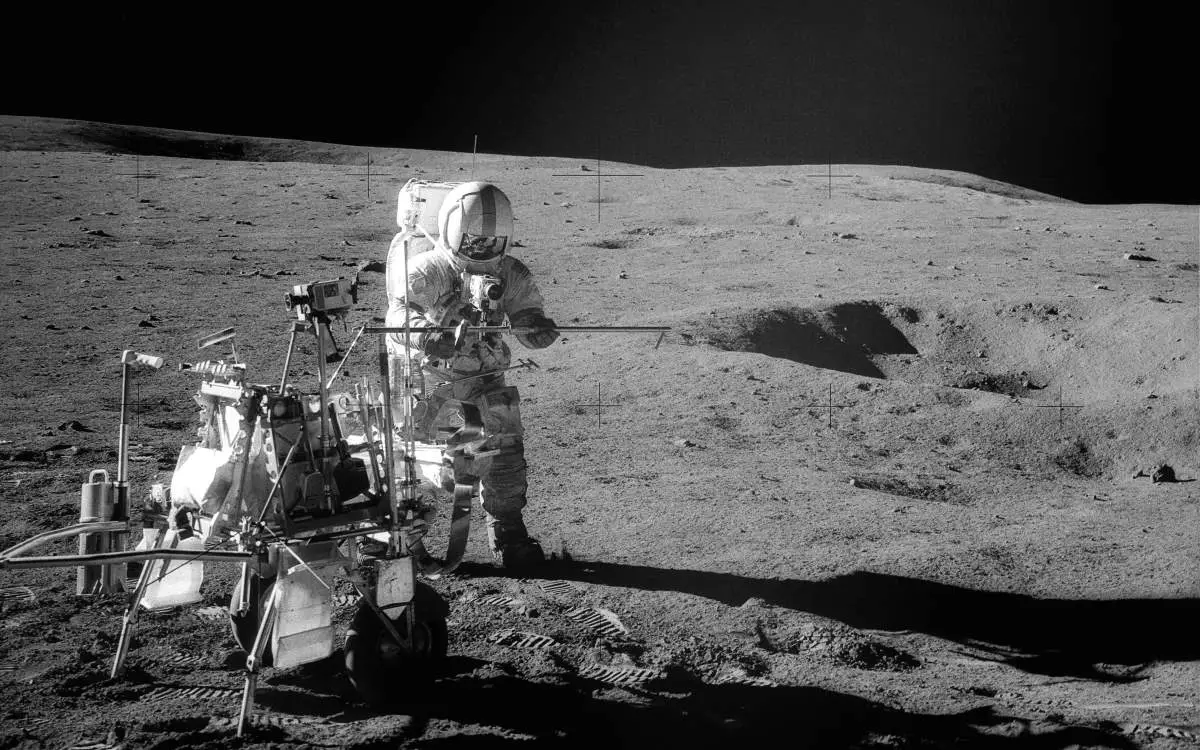
According to research published in the journal Earth and Planetary Science Letters, Earth’s oldest rock (which is 4.1 billion years old) has been found in an Apollo 14 sample from the Moon. If confirmed, it’s an amazing discovery.
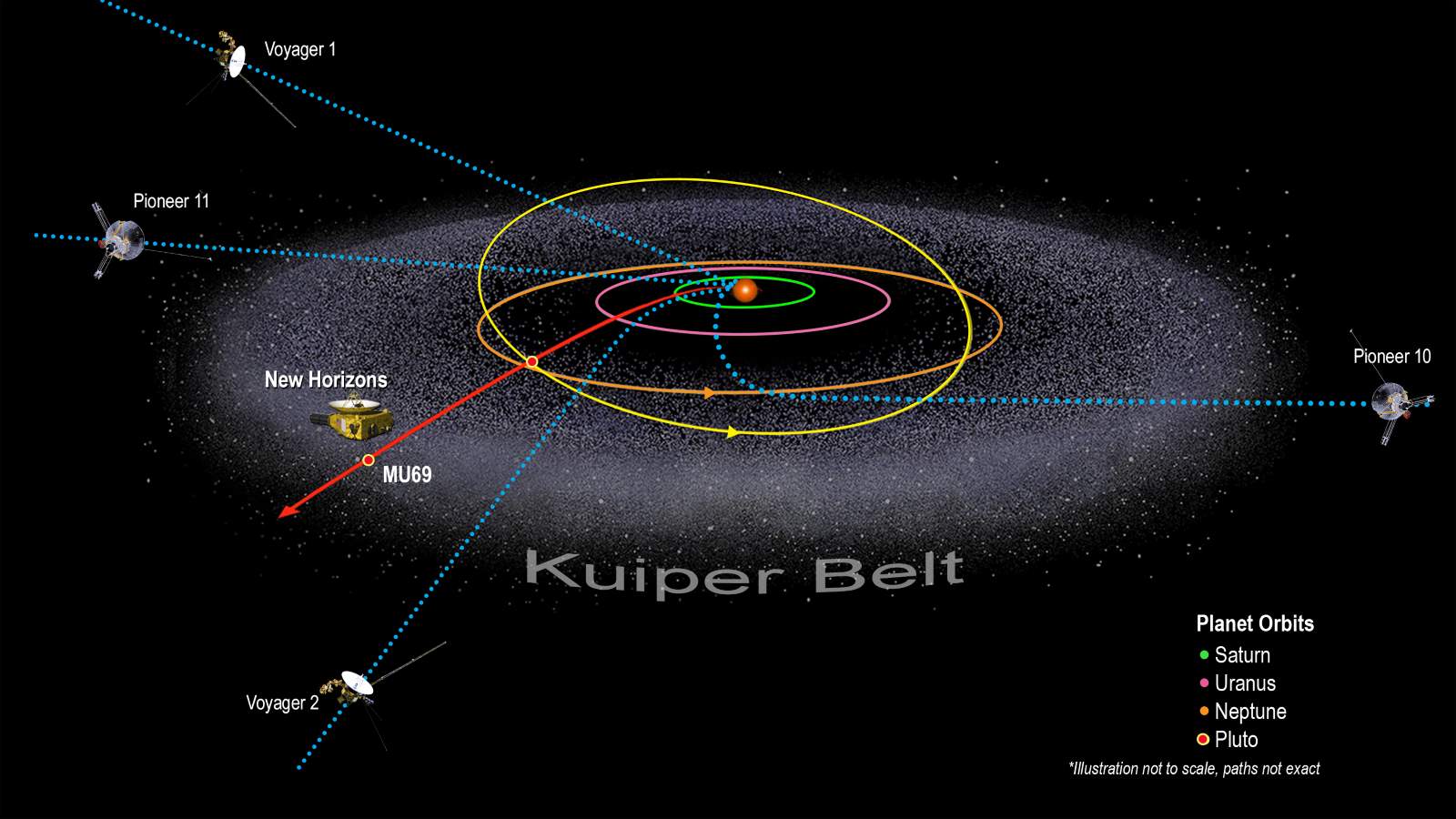
As of 2019, only five space probes are leaving the solar system: Pioneer 10, Pioneer 11, Voyager 1, Voyager 2, and New Horizons. The Voyagers already left the solar system and entered interstellar space (Voyager 1 on August 25, 2012, and Voyager 2 on November 5, 2018. The others also will leave the heliosphere (see notes 1) and reach interstellar space in a few years.
All of these spacecraft were launched by NASA.
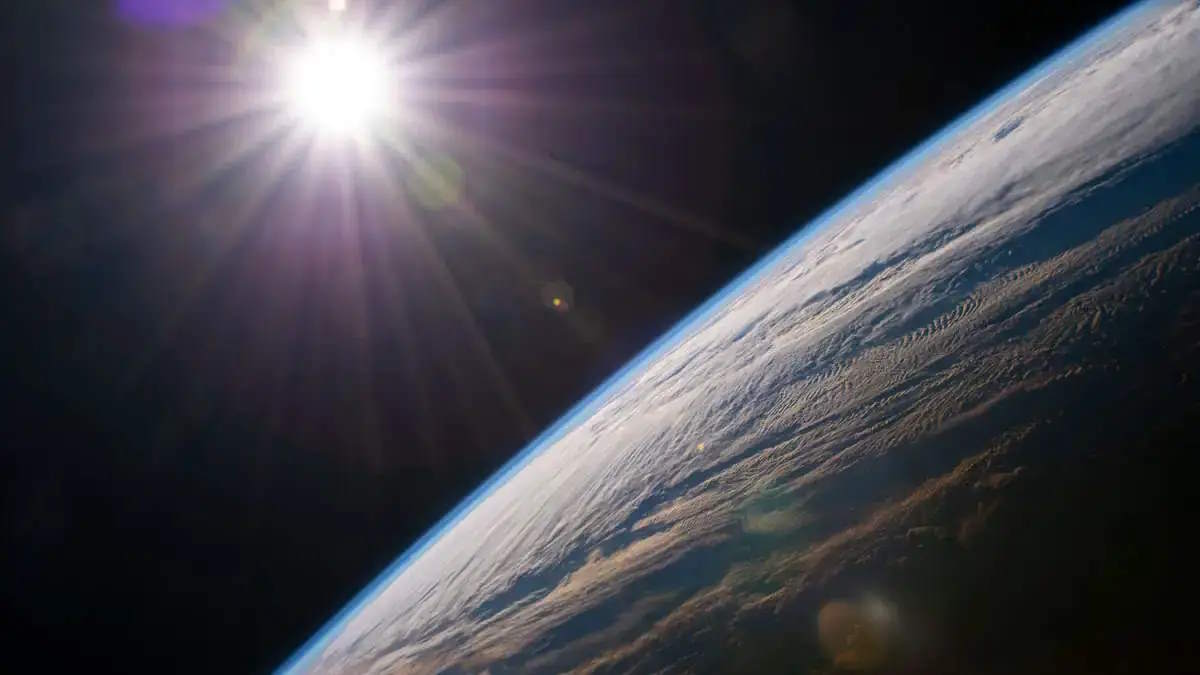
The speed of light is the Universal speed limit – nothing can travel faster than light. In the vacuum (commonly denoted c), its exact value is 299,792,458 meters per second (around 186,000 miles per second). In other words, if you could travel at the speed of light, you could go around the Earth 7.5 times in one second.
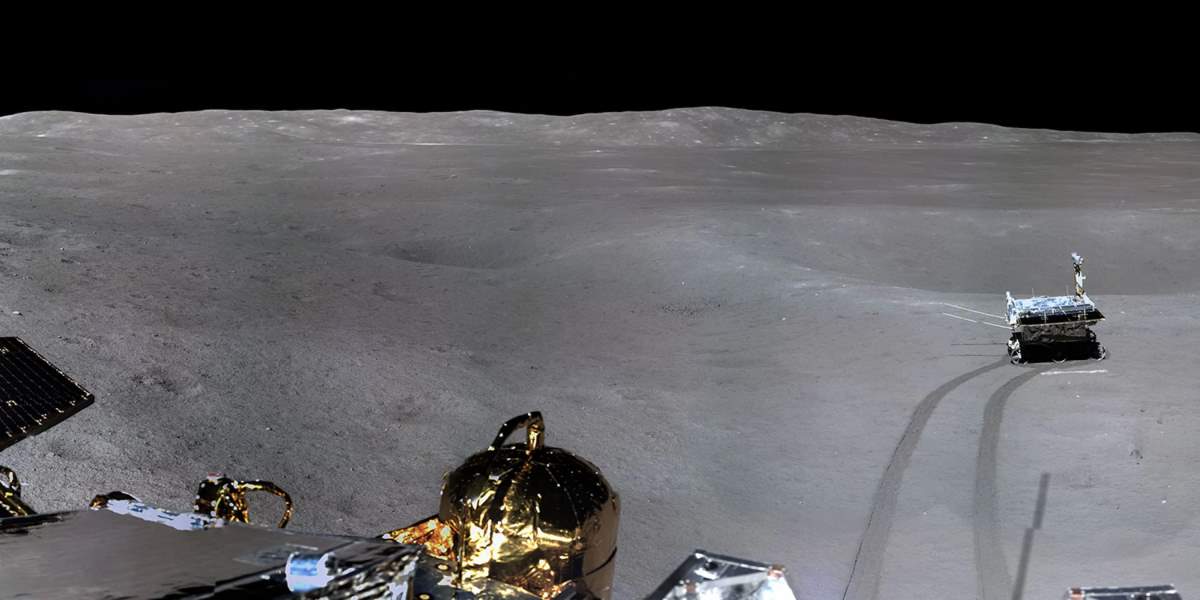
On January 10, 2019, the China National Space Agency unveiled the panoramic image of the far side of the Moon taken by the

Margaret Hamilton is not only one of the first software developers, but she also literally created the term “Software Engineering” to describe her work. The code she wrote successfully put humans on the moon for the first time.

Launched by NASA on September 5, 1977, to study the outer solar system, the Voyager 1 is the furthest human-made object from Earth. As of October 2022, it is more than 14,749,847,051 miles (23,737,577,852 km) away from our home planet. It is also moving away at a speed of 38,026.77 mph (61,198.15 km/h) relative to the Sun.
Despite that huge distance (even the light covers that distance in almost 22 hours!), thanks to NASA’s Deep Space Network (DSN), we can still communicate with it (also with its sister, Voyager 2). But how far can Voyager 1 go before we lose communication?

Finnish 3D artist Kimi Talvitie has made some really impressive 3D models of SpaceX’s stainless steel Starhopper (the shorter test vehicle of Starship), Starship (previously known as the BFS – Big Fragging Spaceship) and Super Heavy booster (previously known as the BFR – Big Fragging Rocket) and published them on his Twitter account. They are amazing!