Categories
Space Exploration This Day in Science, Technology, Astronomy, and Space Exploration History

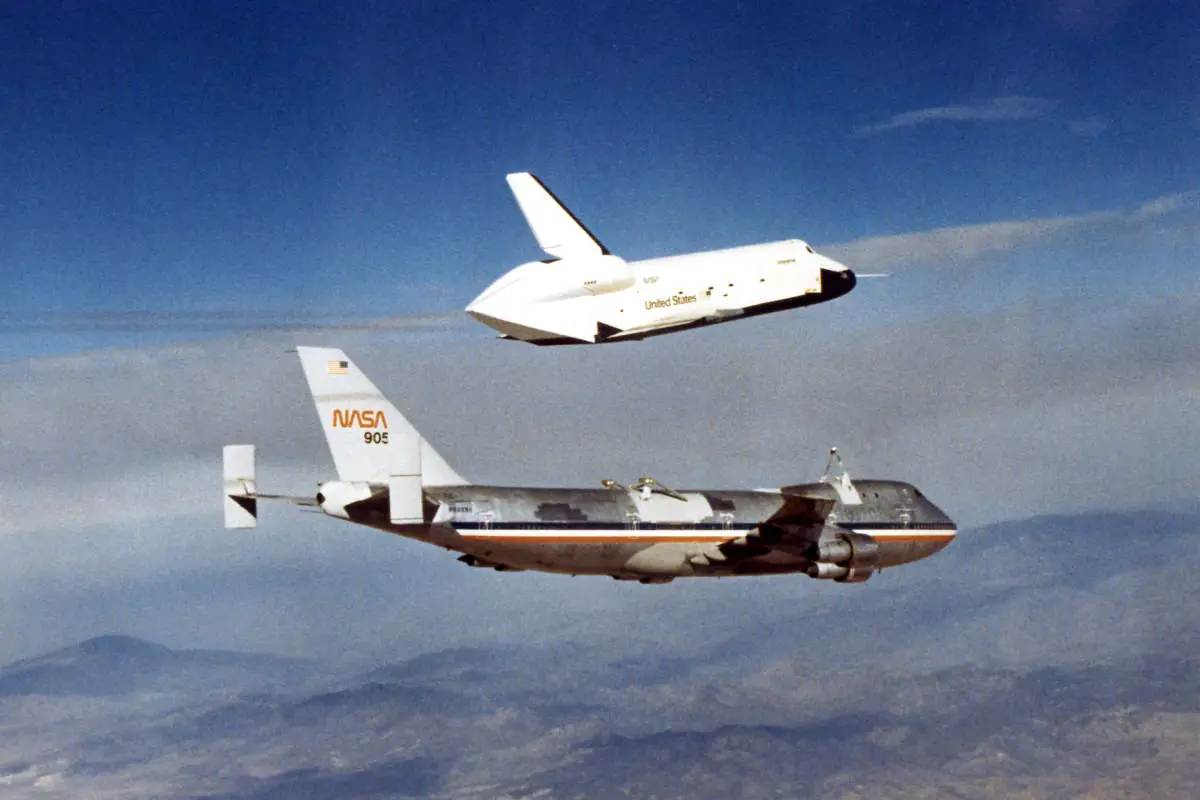
Space Shuttle Enterprise successfully made its first free flight test on August 12, 1977

On August 12, 1977, NASA’s Space Shuttle Enterprise successfully made its first free flight test, as part of NASA’s Orbiter Approach and Landing Tests (ALT). The ALT program allowed shuttle pilots to explore the orbiter’s low-speed flight and landing characteristics.

Categories
Space Exploration Computer Science Technology This Day in Science, Technology, Astronomy, and Space Exploration History

The first E-mail from Space was sent on August 9, 1991

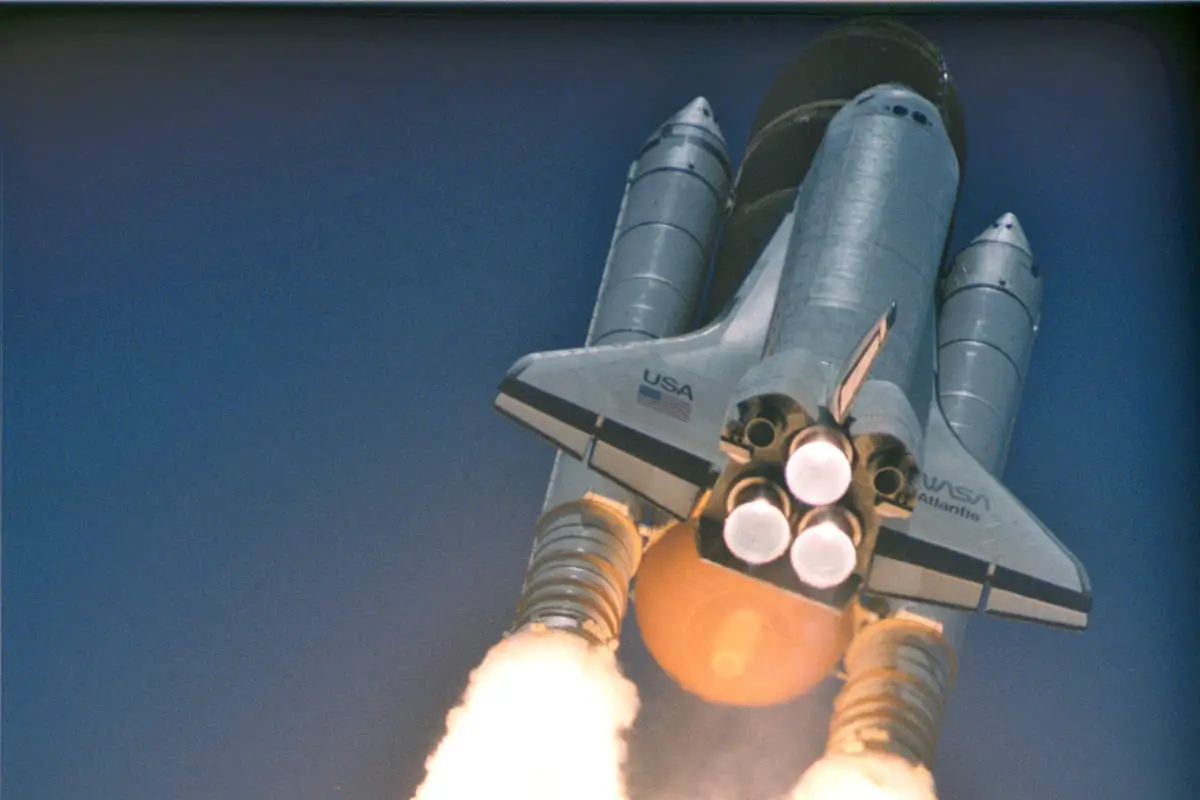
On August 9, 1991, two STS-43 astronauts aboard the Space Shuttle Atlantis, Shannon W. Lucid and James C. Adamson sent the first e-mail from space. The astronauts used an Apple Macintosh portable computer and AppleLink, a popular service for Mac and Apple IIGS users before the commercialization of the Internet, offered from 1986 to 1994.

The recipient of the first e-mail from space was addressed to fellow NASA astronaut Marsha S. Ivins at Johnson Space Center. The message text read:

“Hello Earth! Greetings from the STS-43 Crew. This is the first AppleLink from space. Having a GREAT time, wish you were here,…send cryo and RCS! Hasta la vista, baby,…we’ll be back!”

Categories
Earth from Space Space Exploration This Day in Science, Technology, Astronomy, and Space Exploration History

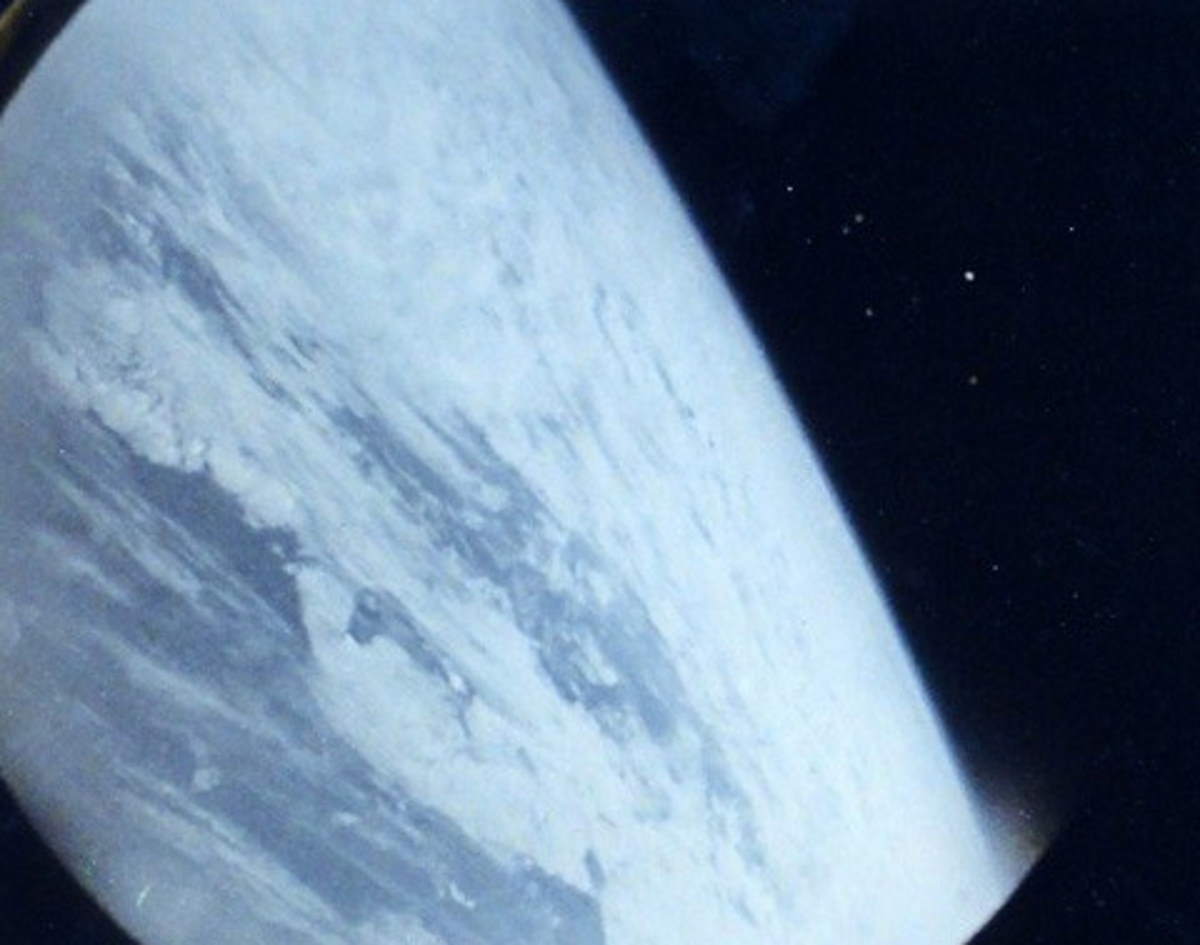
The first photo of Earth from space taken by a person (August 6, 1961)

On August 6, 1961, Soviet cosmonaut Gherman Titov took the first photo of Earth from space taken by a person. It was also the first color image of Earth from space. Titov became the first photographer from space.

This spaceflight was the first crewed spaceflight lasting over 24 hours. Titov was also the first to suffer from space sickness.

Categories
Space Exploration Communication This Day in Science, Technology, Astronomy, and Space Exploration History

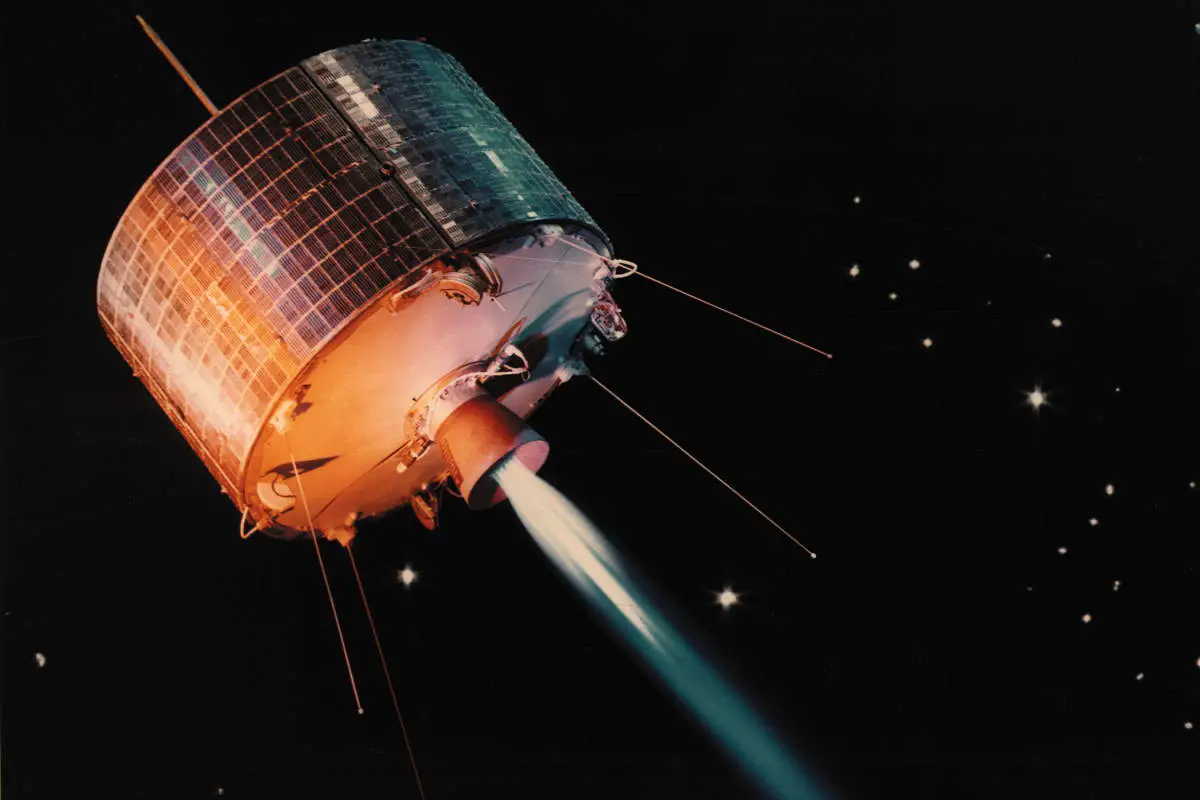
Syncom 2, the first geosynchronous satellite was launched on July 26, 1963

On July 26, 1963, Syncom 2 (for Synchronous Communication Satellite) was launched on top of a Delta B #20 launch vehicle from Cape Canaveral.

Categories
This Day in Science, Technology, Astronomy, and Space Exploration History Space Exploration

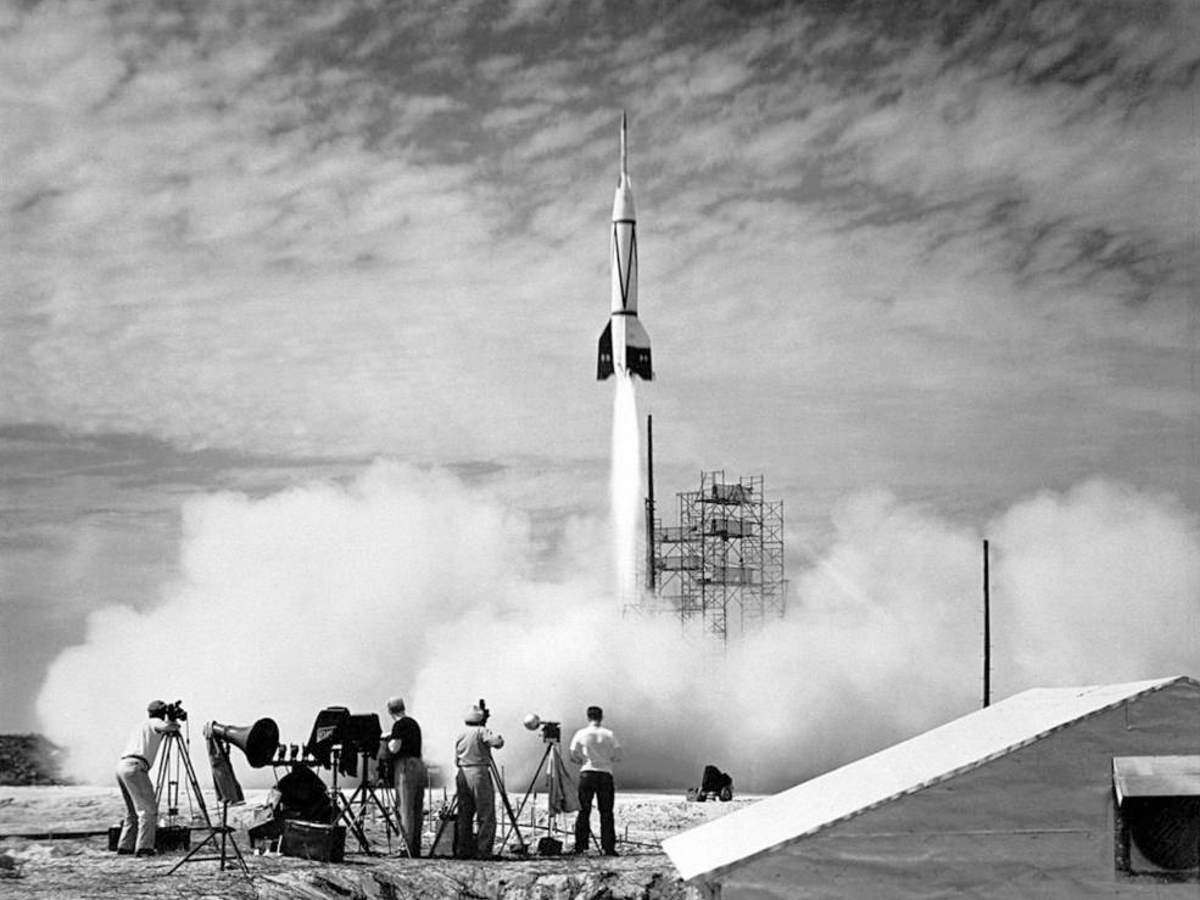
Bumper 8 became the first rocket launched from Cape Canaveral on July 24, 1950

On July 24, 1950, Bumper 8, a two-stage rocket, combining German (V-2) and American technology, was launched. It was the first rocket launch from a place on the Atlantic coast of central Florida called Cape Canaveral.

Categories
Moon Landing Earth from Space Space Exploration Technology

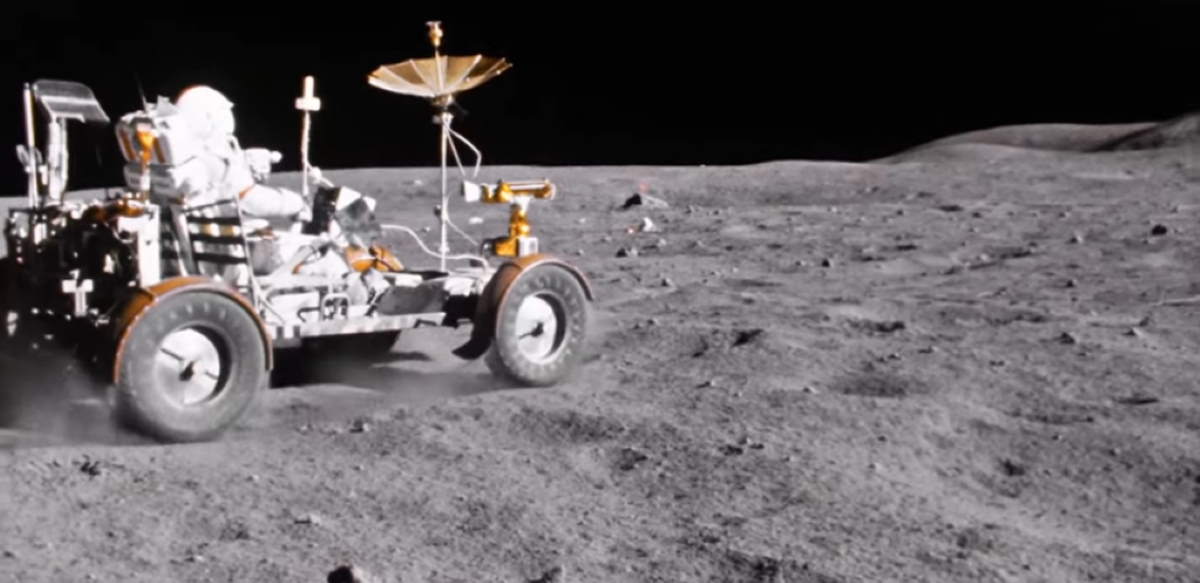
From Computers to Nike Airs: 10 Moon Landing Innovations that Changed Life on Earth

Much of the technology common today that we take for granted originates from the moon landing. Here are 10 moon-landing innovations that changed life on Earth.

Categories
Space Exploration

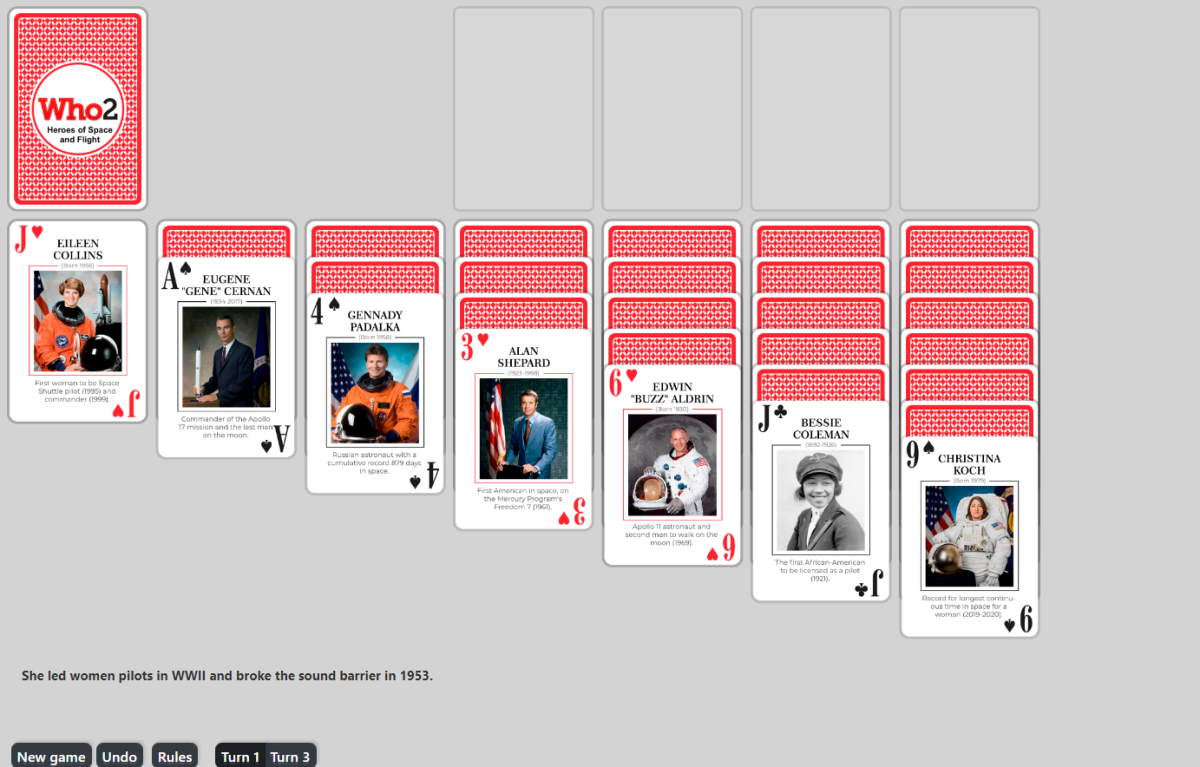
Heroes of Space and Flight Solitaire

Give yourself a break and learn about the important figures in the field of flight and space exploration in this educational solitaire game. Discover some space and flight pioneers who paved the way and learn while you play!

Categories
Communication Space Exploration This Day in Science, Technology, Astronomy, and Space Exploration History

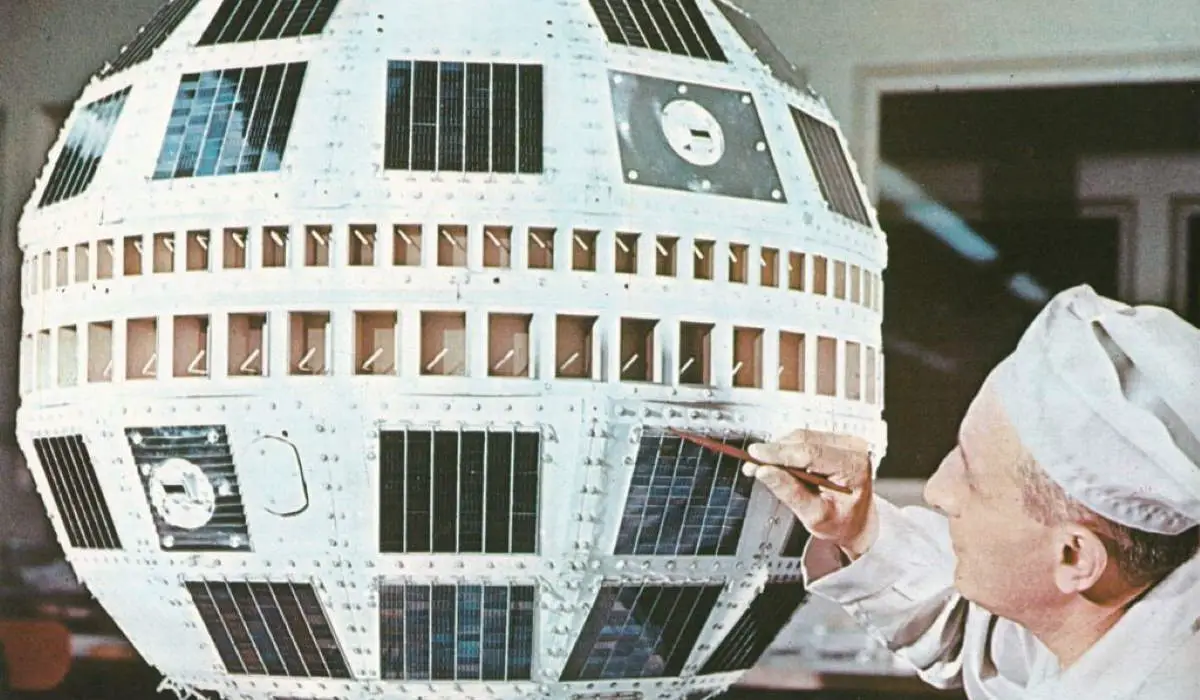
Telstar 1, the satellite that allowed the first live broadcast of television images was launched on July 10, 1962

On July 10, 1962, Telstar 1, the satellite that allowed the first live broadcast of television images was launched from Cape Canaveral. It was the first privately sponsored space mission. Two days after the launch, on July 12, it relayed the world’s first transatlantic television signal, from Andover Earth Station, Maine, United States, to the Pleumeur-Bodou Telecom Center, Brittany, France.

Categories
Moon Landing Space Exploration This Day in Science, Technology, Astronomy, and Space Exploration History

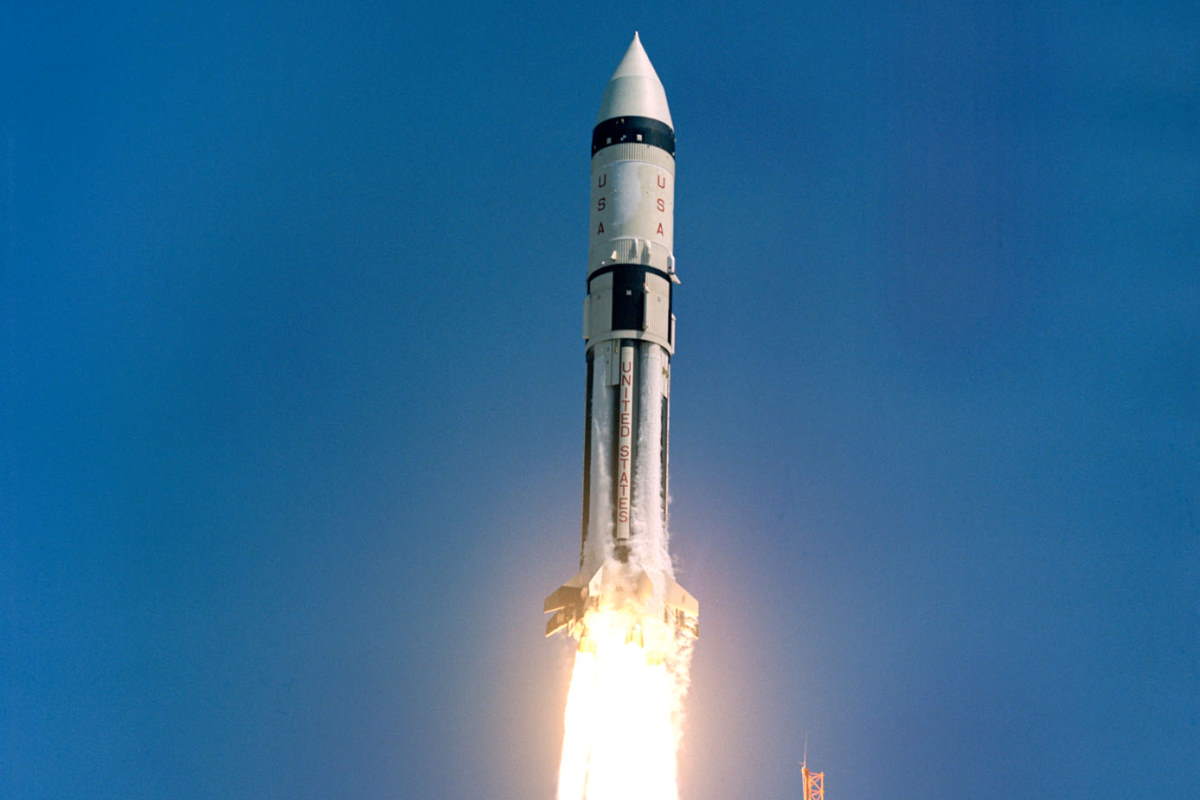
AS-203, the first Apollo orbital mission was launched on July 5, 1966

On July 5, 1966, the first Apollo orbital mission, AS-203 was launched from NASA’s Kennedy Space Center, Florida. It was an uncrewed flight of the vehicle’s second stage, the S-IVB stage (it was the 3rd stage of Saturn V, which carried humans to the Moon), to test it under orbital conditions and to obtain flight information on venting and chill-down systems, fluid dynamics, and heat transfer of propellant tanks, attitude and thermal control system, launch vehicle guidance, and checkout in orbit.

During the fourth orbit, internal pressures built up in the S-IVB stage while a pressure differential test was being performed. The pressures built up well in excess of design values and the stage fragmented. Despite that, all mission objectives were achieved.
Categories
Mars Space Exploration This Day in Science, Technology, Astronomy, and Space Exploration History

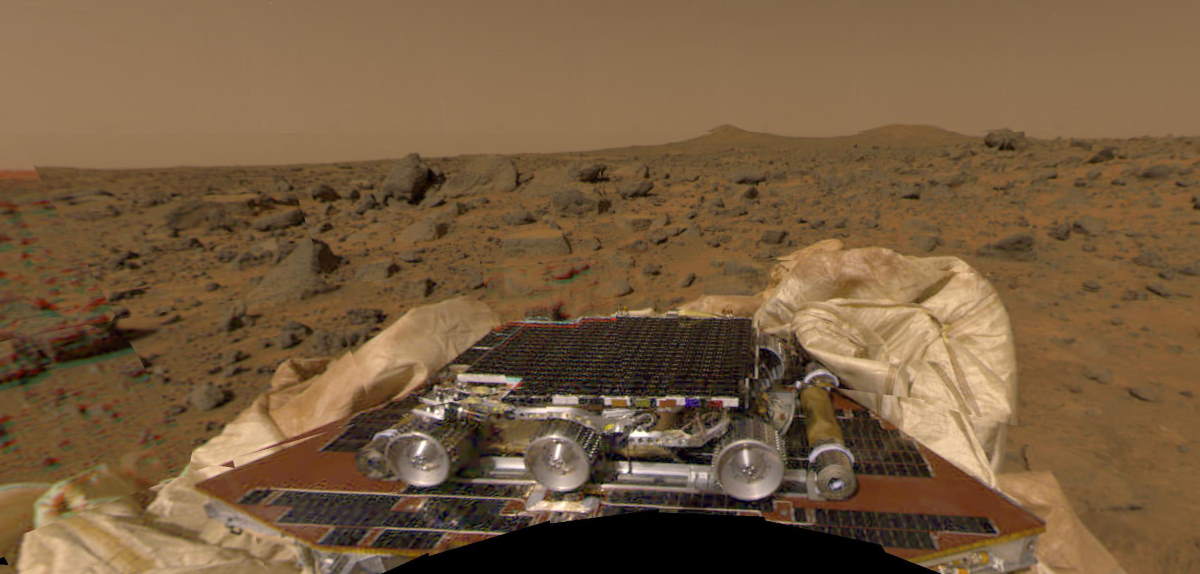
Sojourner (Mars Pathfinder) became the first operational rover on another planet on July 4, 1997

NASA’s robotic spacecraft Mars Pathfinder landed on Mars on July 4, 1997. It was carrying a small rover named Sojourner and with that landing, Sojourner became the first operational rover on another planet.