An amazing historic photo of the Space Shuttle Atlantis still connected to Russia’s Mir Space Station. It was taken on July 4, 1995, by the Mir-19 crew.

An amazing historic photo of the Space Shuttle Atlantis still connected to Russia’s Mir Space Station. It was taken on July 4, 1995, by the Mir-19 crew.

Young software developer Neal Agarwal (Twitter: @nealagarwal) created an amazing interactive visualization showing life in the depth of the oceans. Named “The Deep Sea” (click here to see the visualization), the interactive webpage shows the living depths and also the maximum diving points of various animals. Be prepared to be amazed!

NASA Goddard Planetary Scientist Dr. James O’Donoghue (@physicsJ) created another beautiful video showing the relative rotation speeds of Solar System planets.

The Earth rotates at a speed of 460 m/s, which is approximately 1650 km/h (about 1025 mph) at the equator. But, if you’re not living on the equator, you’re spinning slower. Here’s how to calculate your spinning speed.
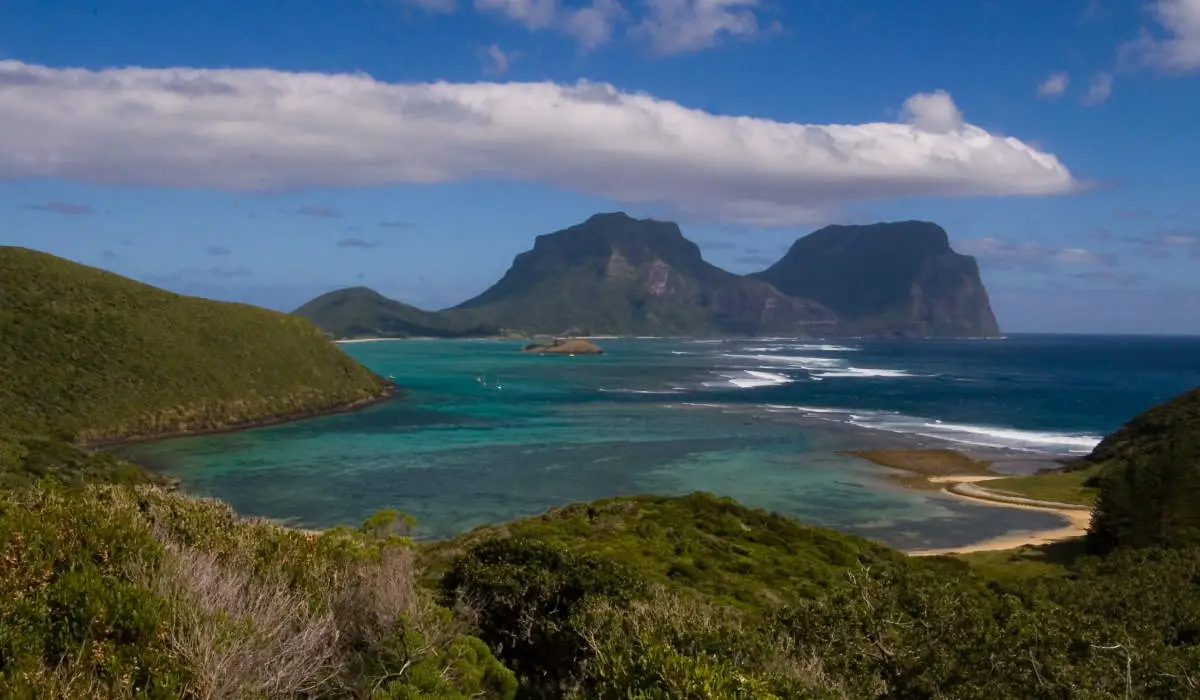
For most people, continents are Earth’s seven main large landmasses.
But geoscientists have a different take on this. They look at the type of rock a feature is made of, rather than how much of its surface is above sea level.
In the past few years, we’ve seen an increase in the discovery of lost continents. Most of these have been plateaus or mountains made of continental crust hidden from our view, below sea level.
Maria Seton, University of Sydney; Joanne Whittaker, University of Tasmania, and Simon Williams, University of Sydney

Another amazing Beluga whale video (click here to see “Beluga whale filmed playing fetch” video): the cute animal rescues an iPhone from the sea and returns it to the humans.

Nine human species walked the Earth 300,000 years ago. Now there is just one. The Neanderthals, H. neanderthalensis, were stocky hunters adapted to Europe’s cold steppes. The related Denisovans inhabited Asia, while the more primitive H. erectus lived in Indonesia and H. rhodesiensis in central Africa. Were other humans the first victims of the sixth mass extinction?

Jaguar (scientific name: Panthera onca) is a big cat and one of the five species in the Panthera genus (the others are Lion, tiger, leopard, and snow leopard). It is the most feared predator in the Americas. Here are 20 amazing jaguar facts.

Earth’s atmosphere is leaking: around 90 tonnes of material escapes and streams out into space from our planet’s upper atmosphere every single day.
To understand this escape, NASA launches rockets into space. The space agency also sends scientists to a tiny Arctic town named Ny-Ålesund (English: New Alesund) on the island of Spitsbergen in Svalbard, Norway. Because understanding this atmospheric escape on Earth can benefit us in many ways – from predicting which exoplanets might be habitable, to piecing together how Mars became the desolate, exposed planet it is today.
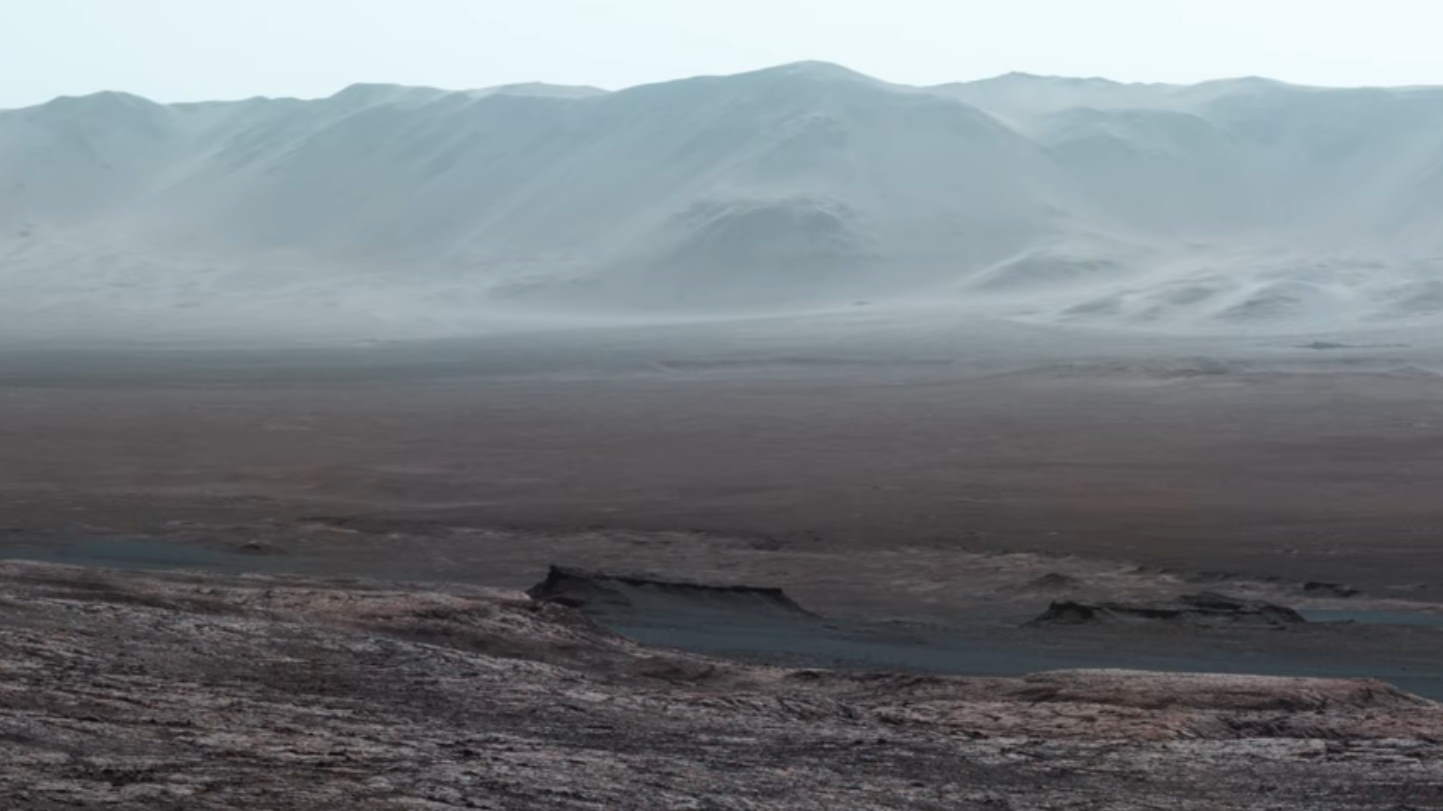
An amazing video by NASA titled “Curiosity at Martian Scenic Overlook”. Curiosity Project Scientist Ashwin Vasavada gives a descriptive tour of the Mars rover’s view in Gale Crater which is 154 kilometers (96 miles) in diameter and estimated to be about 3.5-3.8 billion years old. It is created by an impactor. The crater is also probably a dry lake (once filled with water – probably billions of years ago).