Categories
Solar System

10 Moon Facts

Earth has got only one moon – a rocky, cratered place, about a quarter the size of Earth and an average of 384,400 kilometers (238,855 miles) away. It is simply called – well, “the Moon” because people didn’t know other moons around other planets existed until Galileo Galilei discovered four moons orbiting Jupiter in 1610. Here are 10 amazing moon facts.

Categories
Moon Landing Space Exploration This Day in Science, Technology, Astronomy, and Space Exploration History

Apollo 13: “Houston, We’ve Had a Problem”

“Houston, we’ve had a problem” (see notes 1 below this post) is the now-famous phrase radioed from Apollo 13 to Mission Control upon the catastrophic explosion that dramatically changed the mission. On the 50th Anniversary of the Apollo 13 mission, NASA recognizes the triumph of the mission control team and the astronauts and looks at the lessons learned. The American space agency commemorates the most “successful failure” in the history of space exploration with the video titled “Apollo 13: Houston, We’ve Had a Problem”.

Categories
Solar System Astronomy

Here’s how scientists planning to deflect asteroids that might damage Earth

Asteroids – the bits and pieces left over from the formation of the inner planets – are a source of great curiosity for those keen to learn about the building blocks of our solar system, and to probe the chemistry of life.

Humans are also considering mining asteroids for metals, but one of the crucial reasons scientists study this ancient space rubble is planetary defense, given the potential for space debris to cause Earth harm.

Categories
Astronomy

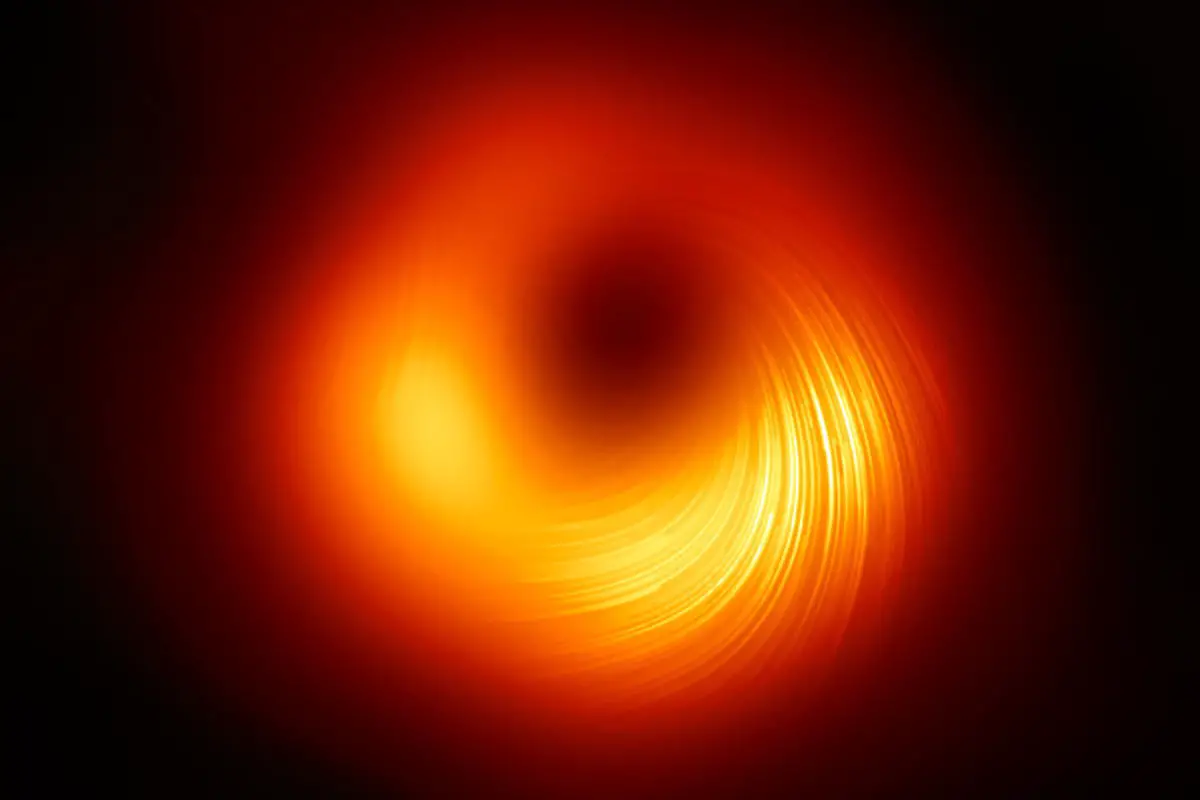
Astronomers image the magnetic field of a black hole for the first time – here’s what it reveals

There was a lot of excitement when the Event Horizon Telescope collaboration showed the world the first-ever image of a black hole back in April 2019. Weighing in at 6.5 million times the mass of our Sun, this supermassive black hole is located in the galaxy Messier 87, or M87, some 55 million light-years away from Earth.

Ziri Younsi, UCL

Categories
Mars Space Exploration

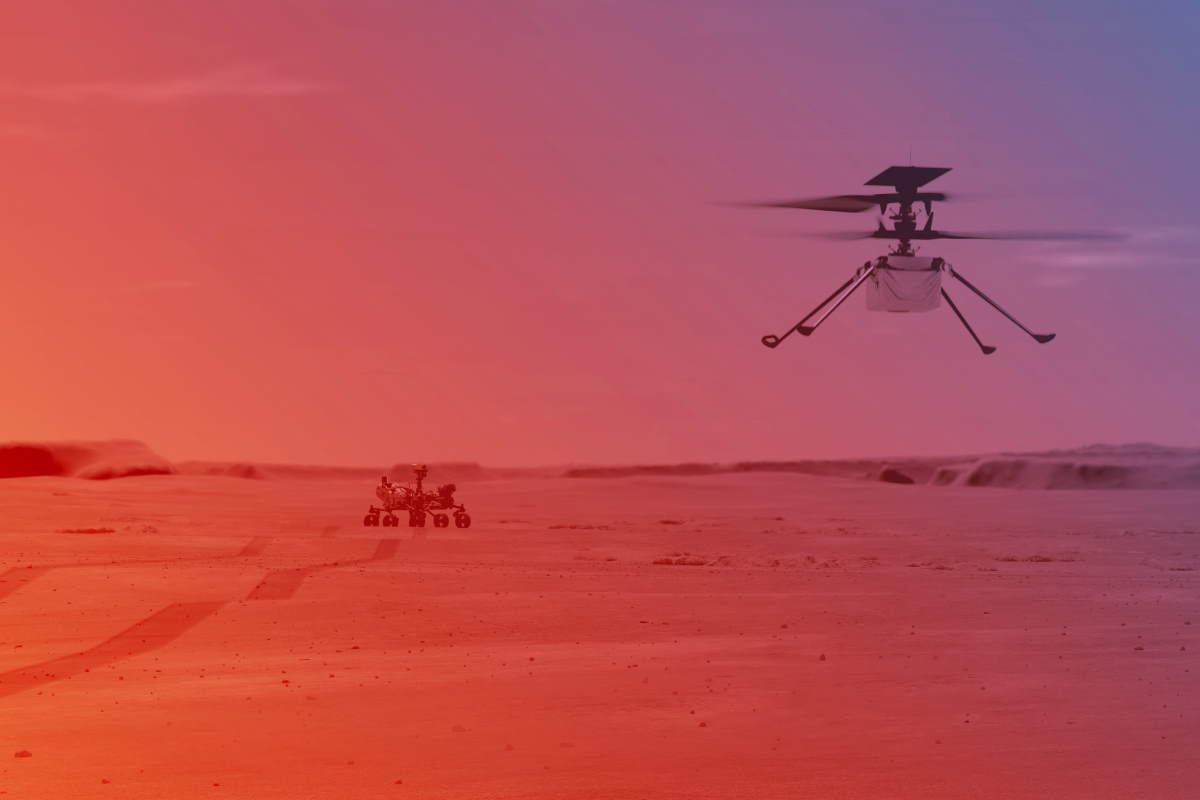
Ingenuity the Mars helicopter carries a swatch from Wright Brothers’ first aircraft

In April 2021, Ingenuity (the small helicopter stored in NASA’s Perseverance Mars rover) will perform the first powered, controlled flight on another planet. And NASA put a small piece of fabric on the Mars helicopter from the wing of the Wright Brothers’ first aircraft, the “Flyer 1”, which performed the first powered, controlled flight here on Earth on December 17, 1903. The swatch is bound in insulating tape to a wire under Ingenuity’s solar panel.

Categories
Astronomy Planet Earth

What is equilux and why on an equinox day and night aren’t equal lengths

In fact, contrary to the popular belief, the lengths of day and night aren’t equal on an equinox. There’s another term for this: equilux.

Categories
Geology Life on Earth

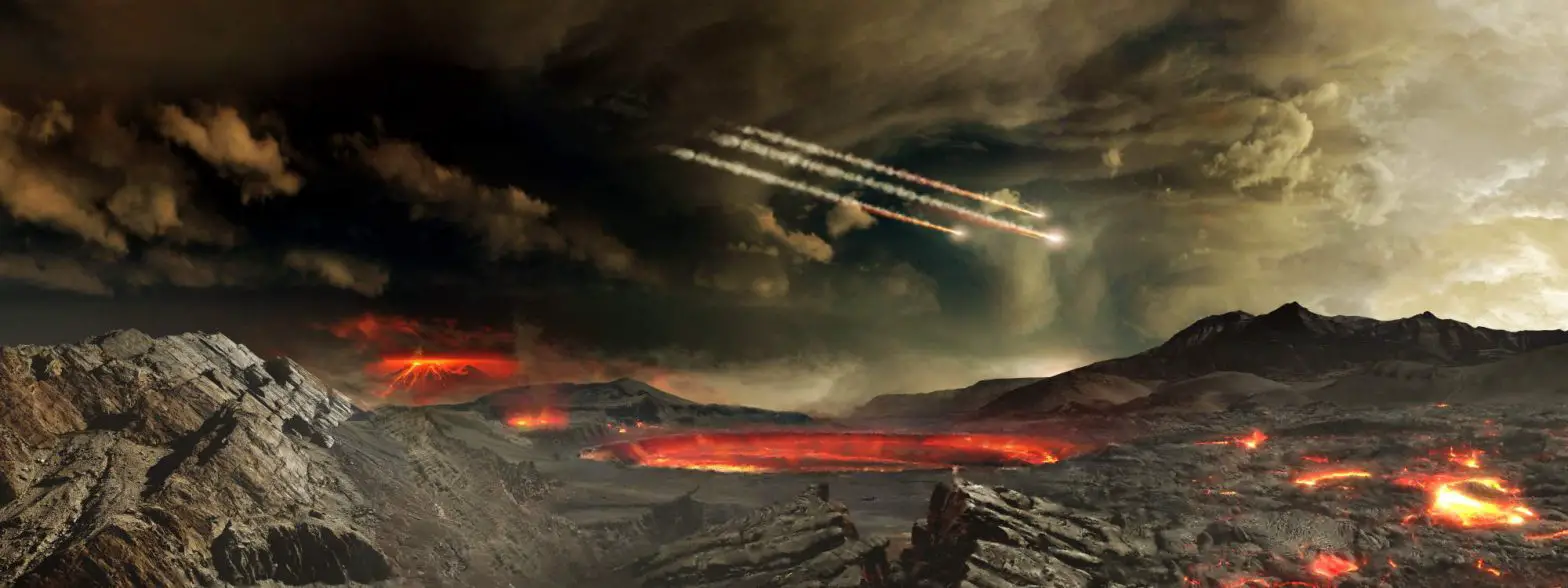
Early magma oceans of Earth detected in 3.7 billion-year-old Greenland rocks

Earth hasn’t always been a blue and green oasis of life in an otherwise inhospitable solar system. During our planet’s first 50 million years, around 4.5 billion years ago, its surface was a hellscape of magma oceans, bubbling and belching with heat from Earth’s interior.

Helen M Williams, University of Cambridge

Categories
Astrobiology Astronomy

You’ll be amazed how cramped the TRAPPIST-1 System is

Science writer Pat Brennan has published a great article on the NASA exoplanets website titled “Life in the Universe: What are the Odds?”. In the article, he published a diagram showing the habitable zones of our solar system, and the TRAPPIST-1 system. The amazing thing is how cramped the TRAPPIST-1 system is: the orbits of the TRAPPIST-1 planets (seven in total) could fit into the orbit of Mercury!

Categories
Environment

Why buying local food isn’t necessarily better for the environment

Fears over supermarket shortages during the early stages of the Covid-19 pandemic led many people to buy their food from local producers, raising the prospect of a transformation in the way people get their food in the future. But while eating locally and shorter supply chains are often viewed as a more sustainable alternative to our global food system, the reality is much more complicated, explains Dr. Tessa Avermaete, a bioeconomist at the Katholieke Universiteit Leuven in Belgium.

Categories
Mars Astrobiology Space Exploration

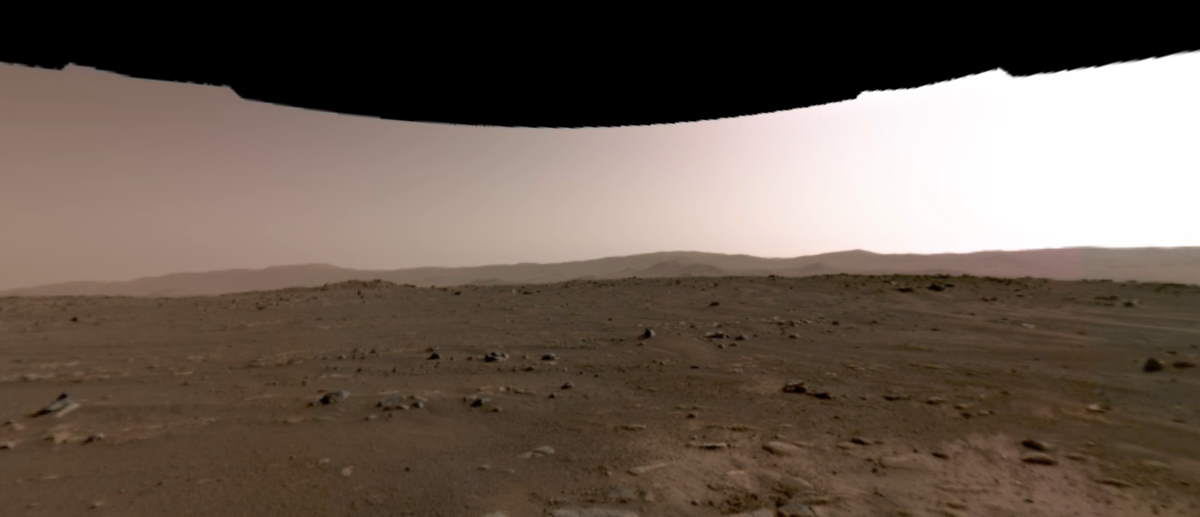
Perseverance Rover’s first 360-degree view of Mars

NASA Jet Propulsion Laboratory (JPL) has published the official video of Perseverance Rover‘s first 360-degree view of Mars, and it’s amazing!