NASA has published an amazing video titled “Moonlight (Clair de Lune)”, which attempts to capture the mood of the French composer Claude Debussy’s (22 August 1862 – 25 March 1918) best-known composition, Clair de Lune (moonlight in French).

NASA has published an amazing video titled “Moonlight (Clair de Lune)”, which attempts to capture the mood of the French composer Claude Debussy’s (22 August 1862 – 25 March 1918) best-known composition, Clair de Lune (moonlight in French).

NASA has published some interesting statistics about the world’s sandy beaches on the Earth Observatory website. According to the images taken by Landsat satellites (see notes 1) (Landsat 5 and Landsat 8, see notes 2 and 3), about 31 percent of the world’s coastlines are sandy. Africa has the highest proportion of sandy beaches (66 percent) and Europe has the lowest (22 percent).
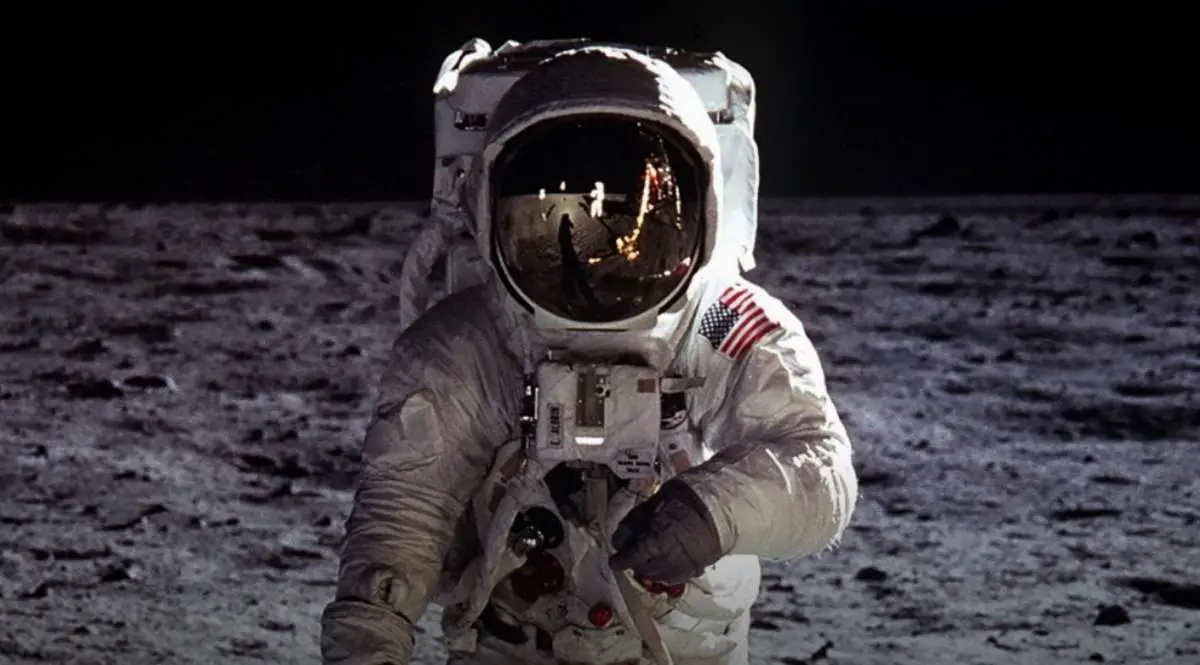
NASA has just published Two Years’ Worth of Apollo 11 Mission Audio (the first crewed moon landing mission) on their website “Explore Apollo“. That’s more than 19,000 hours of audio

Here’s the story: during the 1960s as NASA was sending the first astronauts to space, they realized that pens don’t work in zero gravity (or actually microgravity), so they spent years and many millions of taxpayer dollars to develop a “space pen”, which means a pen that can write in the microgravity. Meanwhile, the Soviet cosmonauts simply used pencils.
As Curious Droid pointed out in the video below, “the moral of the story to many is that NASA was a wasteful government organization that would be giving your hard-earned tax dollars to some greedy contractors charging sky-high prices for seemingly trivial objects whereas the enemy (the Soviet Union) was common sense and practical.”
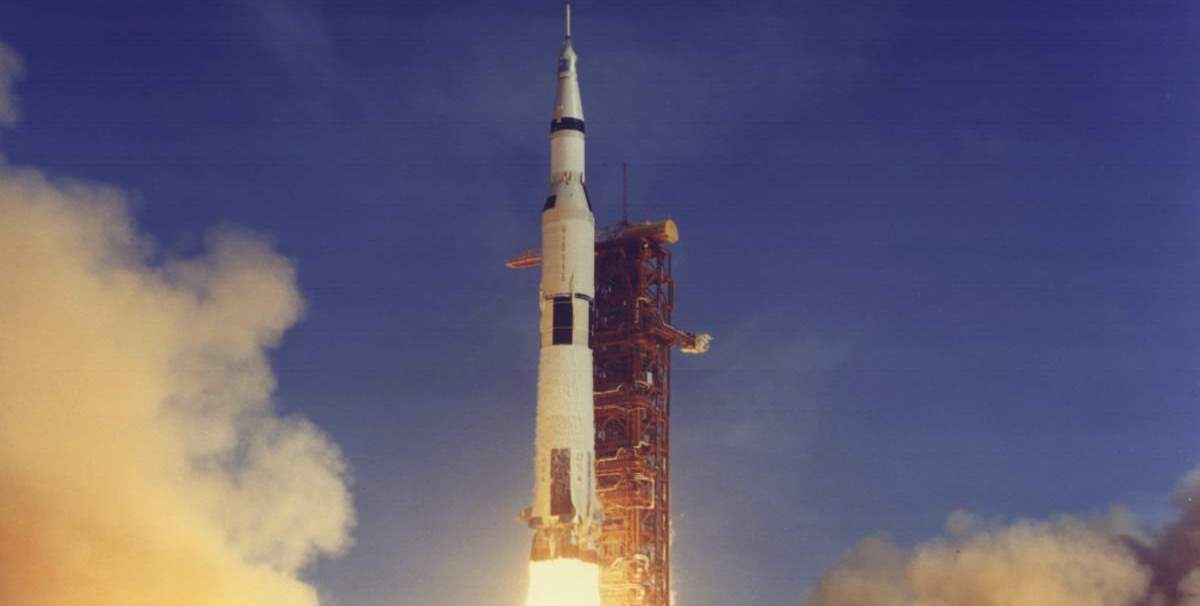
The mighty Saturn V, the rocket that took humans to the moon, remains the tallest, heaviest, and most powerful rocket ever brought to operational status (as of 2018). It was used by NASA between 1967 and 1973. It was powered by five Rocketdyne F-1 engines. With a thrust of 1,746,000
Today, private companies like SpaceX, Blue Origin, and space agencies like NASA trying to build powerful rockets in order to reach Moon and Mars. But, we’ve already built a rocket that took us to the moon, why don’t we simply remake it (and the engines)? In the video below, Youtube user Curious Droid answers this question.
On July 20, 2018 (on the 49th anniversary of the moon landing), Linn LeBlanc, Chief Operating Officer at Buzz Aldrin Ventures, LLC asked on Twitter that: “Where were you 49 years today when @TheRealBuzz and Neil Armstrong made those historic first steps onto the Moon. Congratulations to the #Apollo11 crew and to the thousands that made those steps possible!” And Buzz Aldrin’s answer to that question was brilliant: “I was on the Moon!”
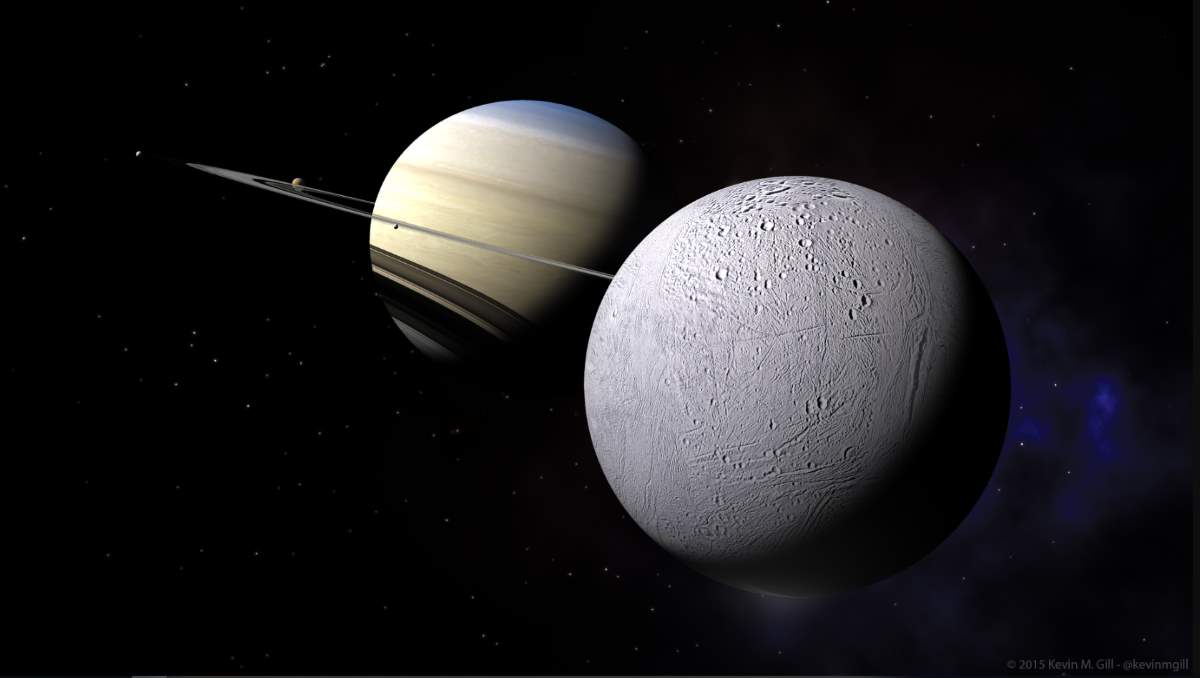
NASA has published an amazing video titled “Sounds of Saturn: Hear Radio Emissions of the Planet and Its Moon Enceladus”. The analysis of the data from the Cassini Spacecraft’s Grand Finale orbits showed a surprisingly powerful interaction of plasma waves moving from Saturn to its icy moon Enceladus. Researchers converted the recording of plasma waves into a “whooshing” audio file that we can hear, in the same
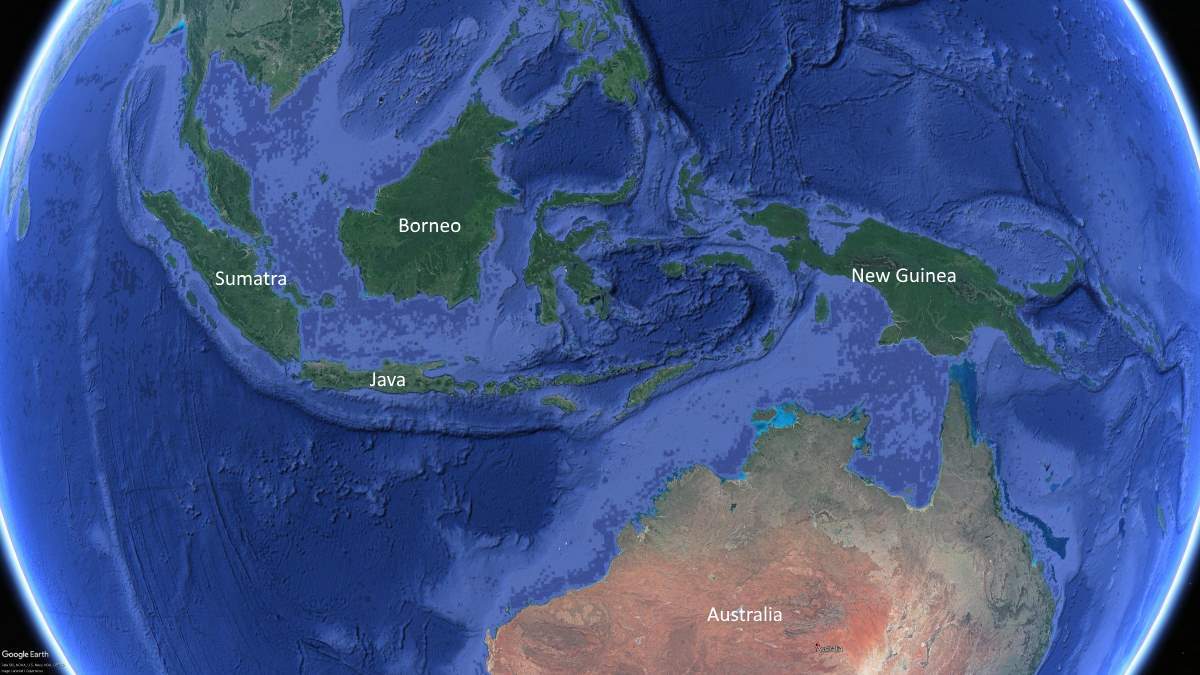
An island or isle is any piece of sub-continental land that is surrounded by water. It is believed that there are over 100,000 islands in the world. It’s difficult to put a figure to the exact number as there are different kinds of them in various water bodies including oceans, seas, lakes, and rivers. There is even an island within a lake that is situated on an island located in a lake on an island. Only 322 of them are larger than 1000 km2 (386 sq mi). Here are the top 18 largest islands on Earth. Why 18? Because this is the number of islands that have a land area of greater than 100,000 square kilometers (38,610 square miles).

European Space Agency (ESA) has published the complete Rosetta image archive under a Creative Commons license, which means the complete archive is freely available: you can copy, share, and tweak the content.