Categories
This Day in Science, Technology, Astronomy, and Space Exploration History Solar System

Tunguska meteorite impacted on June 30, 1908

On June 30, 1908, at about 7:14 A.M., around the Tunguska River, a gigantic fireball devastated hundreds of square kilometers of uninhabited Siberian forest. It was about a ~12 megaton explosion, which means the blast was around 800 times more powerful than the Hiroshima atomic bomb.

Categories
Space Exploration This Day in Science, Technology, Astronomy, and Space Exploration History

Soyuz 11 Disaster: the only three humans who died in space [June 29, 1971]

On June 29, 1971, after completing its record-breaking 20th day in orbit, the crew of Soyuz 11, Georgy T. Dobrovolski (Commander), Viktor I. Patsayev, and Vladislav N. Volkov departed from the Salyut 1 space station, the first space station in the history of space exploration, on June 29, 1971. Unfortunately, the mission ended in disaster when the crew capsule depressurized during preparations for re-entry. The cosmonauts rapidly lost consciousness as the pressure continued to drop and died within two minutes.

Dobrovolski, Patsayev, and Volkov still remain the only humans to have died in space (above the Kármán Line, see notes 1).

Categories
Computer Science Software Technology This Day in Science, Technology, Astronomy, and Space Exploration History

Atari was founded on June 27, 1972

On June 27, 1972, Atari Inc. was founded in Sunnyvale, California by American businessman and electrical engineer Nolan Bushnell (born February 5, 1943) and American electrical engineer Ted Dabney (May 2, 1937 – May 26, 2018). One the most recognized and celebrated brands in the world, the company is a pioneer in arcade games, home video game consoles, and home computers.

Categories
Animals Life on Earth

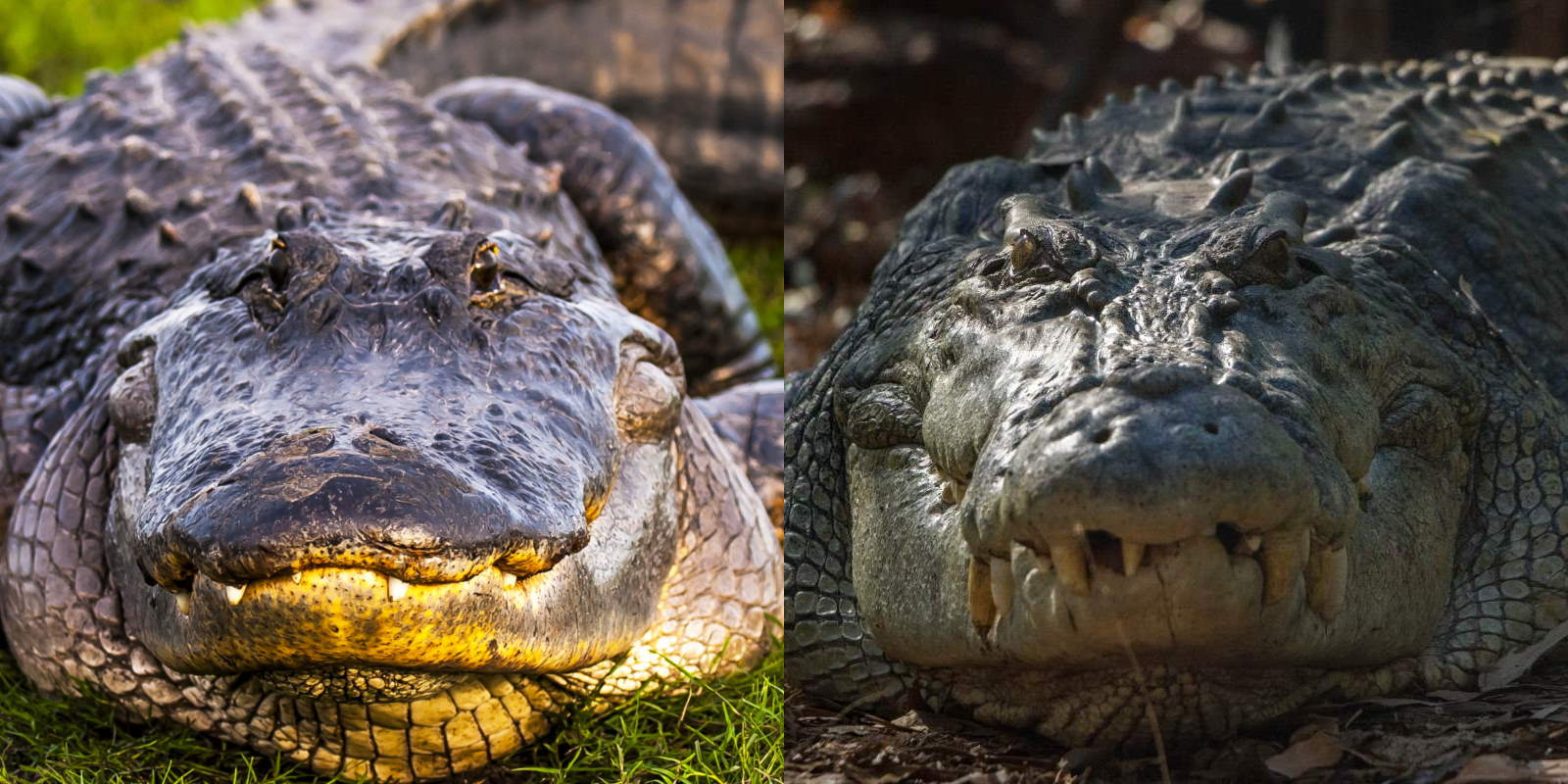
Here are the differences between a crocodile and an alligator

Crocodiles and alligators share many similarities since an alligator is also a crocodilian. But, there are also many differences between a crocodile and an alligator. Here are some of them.

Categories
Animals Life on Earth

​6 Largest Alligators Ever Recorded

Alligators (American alligator – A. mississippiensis) can often reach at least 14 or 15 feet (4.25-4.57 meters) in length, which is even larger than some crocodile species, but not all of them, especially not the Saltwater Crocodile. Chinese alligator – A. sinensis is much smaller). But what is the largest alligator ever measured?

Categories
Solar System Space Exploration This Day in Science, Technology, Astronomy, and Space Exploration History

Charon, Pluto’s Moon was discovered on June 22, 1978

On June 22, 1978, Pluto’s moon Charon was discovered by United States Naval Observatory astronomer James Christy (born September 15, 1938).

Categories
Computer Science Technology This Day in Science, Technology, Astronomy, and Space Exploration History

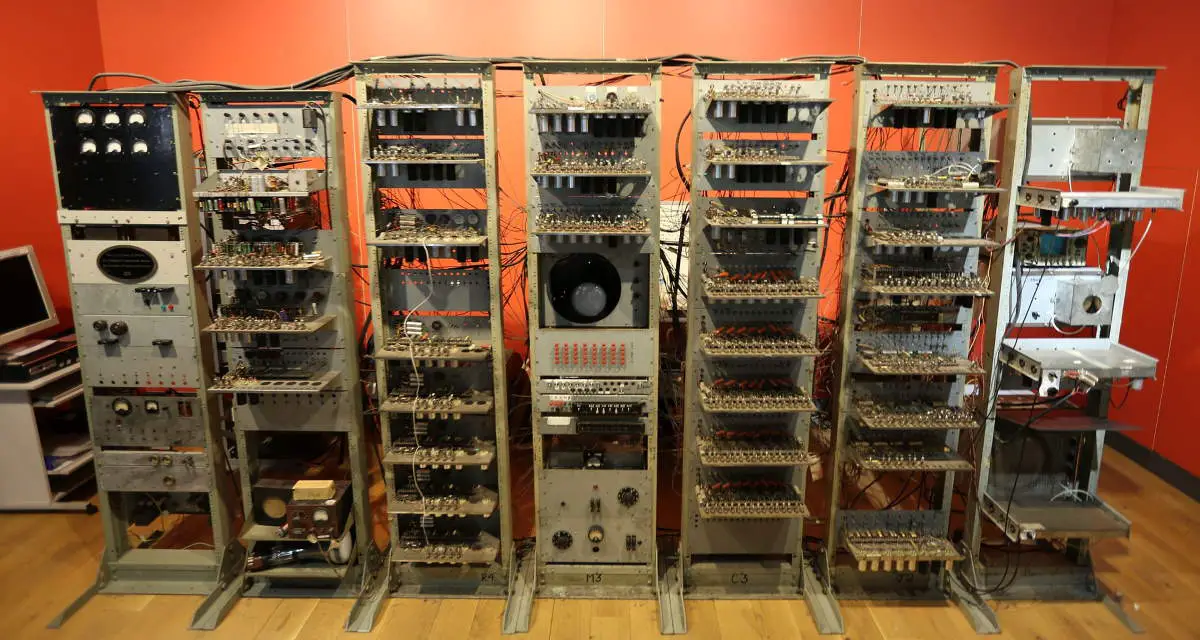
Manchester Baby, the world’s first electronic stored-program computer ran its first program on June 21, 1948

On June 21, 1948, Manchester Baby, the world’s first electronic stored-program computer ran its first program.

Categories
This Day in Science, Technology, Astronomy, and Space Exploration History Space Exploration

V-2 rocket (MW 18014) became the first human-made object in space on June 20, 1944

On June 20, 1944, a German A-4/V-2 rocket became the first human-made object to travel into space by crossing the Kármán line with the vertical launch of MW 18014, attaining an apogee of 176 kilometers (109.3 miles). The Kármán line commonly represents the boundary between the Earth’s atmosphere and outer space. It lies at an altitude of 100 kilometers (62 miles) above the Earth’s sea level.

Categories
Mars Astrobiology Solar System Space Exploration This Day in Science, Technology, Astronomy, and Space Exploration History

Viking 1 Entered Mars Orbit on June 19, 1976

On June 19, 1976, NASA’s Viking 1 Orbiter was inserted into Mars orbit. Both Viking 1 and Viking 2 spacecraft were consisting of an orbiter and a lander.

Categories
Space Exploration This Day in Science, Technology, Astronomy, and Space Exploration History

Sally Ride became the first American woman in space on June 18, 1983

On June 18, 1983, Space Shuttle Challenger and the STS-7 crew launched from NASA’s Kennedy Space Center, Florida. With the launch, one of the mission specialists, Sally Ride became the first American woman to fly in space.