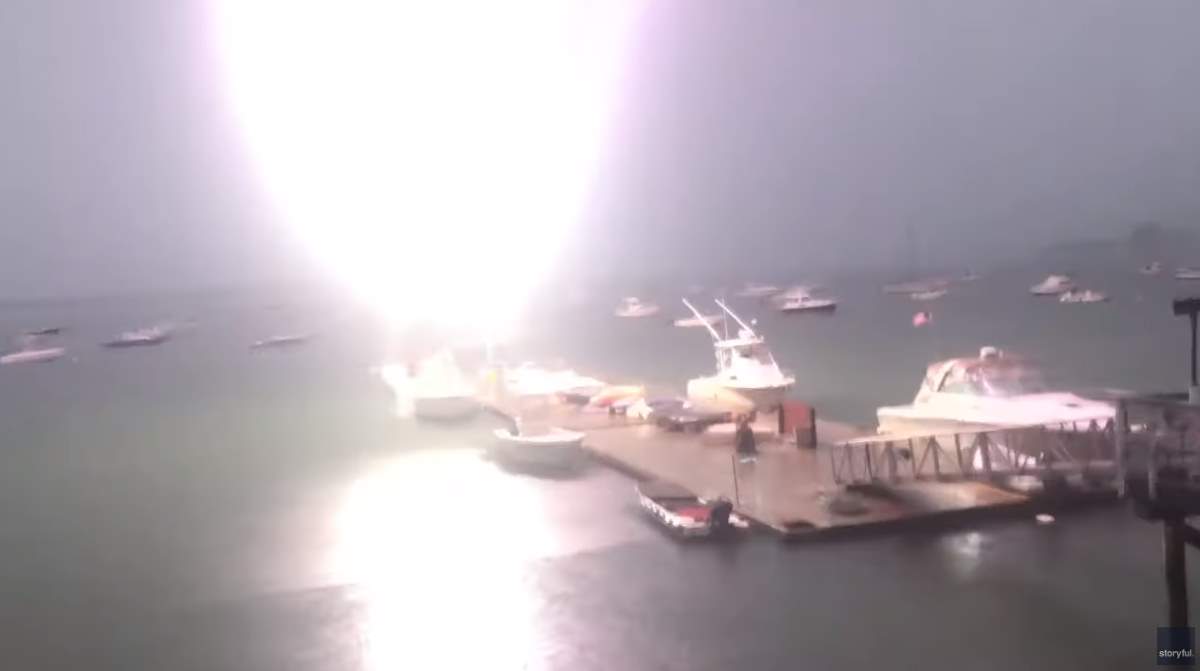
On July 6, 2019, Saturday, a bolt of lightning struck a sailboat at the Columbia Yacht Club in Boston, Massachusetts, United States. The event has been recorded by a passerby.
I am a software developer and a science enthusiast. I was graduated from the Istanbul Technical University (ITU), Computer Engineering. In the past, I worked at the Istanbul Technical University Science Center as a science instructor. I write about the planet Earth and science on this website, ourplnt.com. I am also an animal lover! I take care of stray cats & dogs. This website's all income goes directly to our furry friends. Please consider supporting me on Patreon, so I can help more animals!
On July 6, 2019, Saturday, a bolt of lightning struck a sailboat at the Columbia Yacht Club in Boston, Massachusetts, United States. The event has been recorded by a passerby.
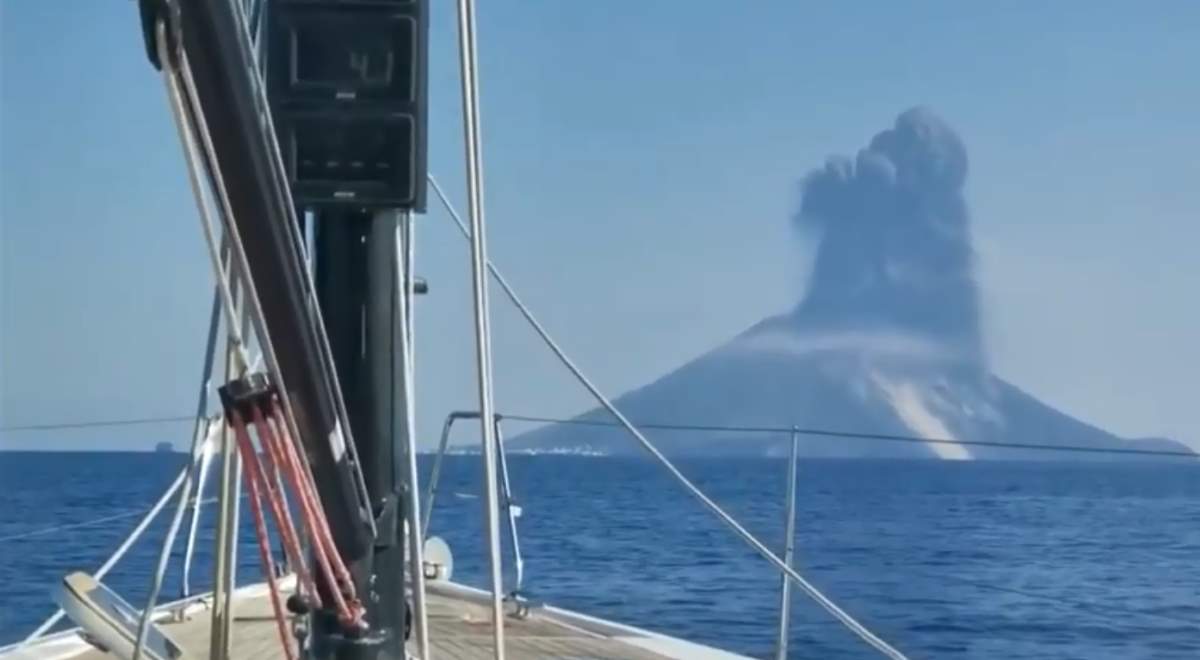
Mount Stromboli, one of the three active volcanoes in Italy (others being Mount Etna on Sicily – continuous activity, and Mount Vesuvius, near Naples – last erupted in 1944), has been in almost continuous eruption for the past 2,000 years. The last eruption took place on 3 July 2019. The exact moment of the event has been filmed in a sailboat.
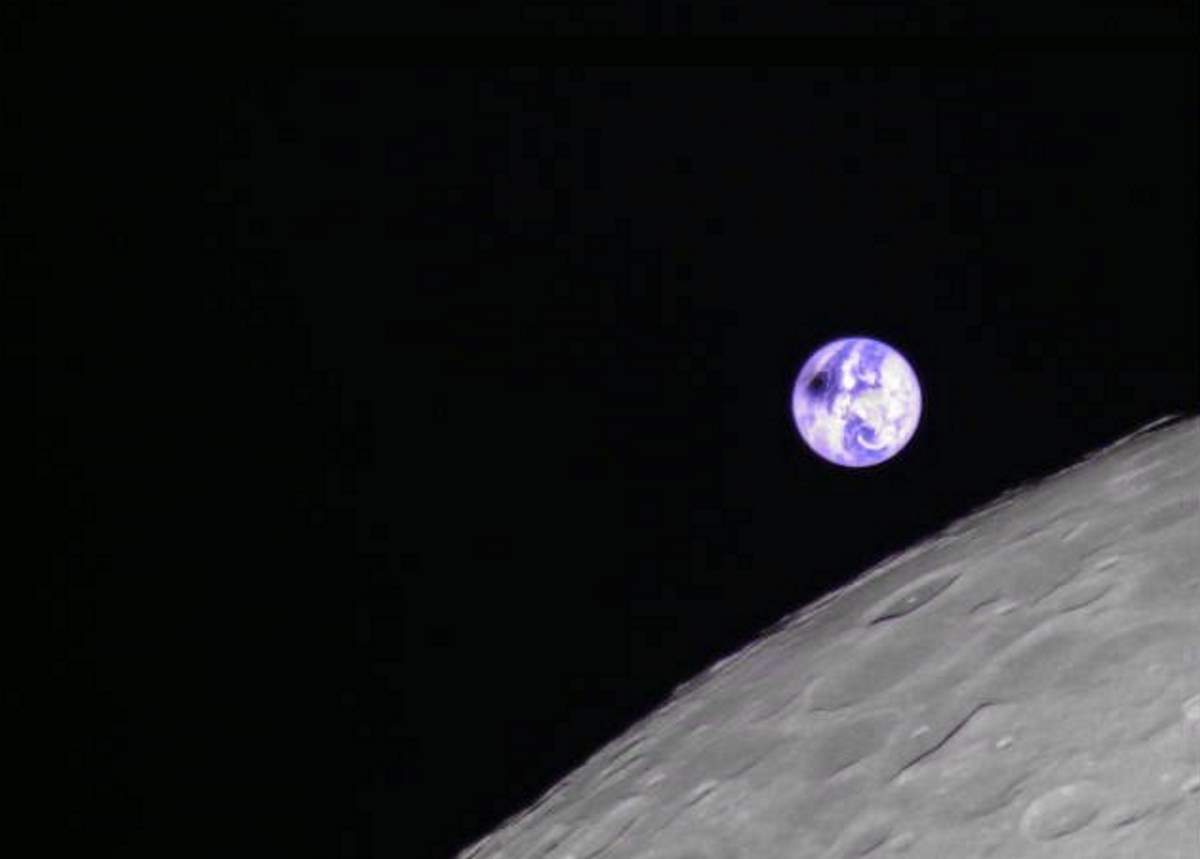
This amazing photo of the 2019 Solar Eclipse from the Moon’s orbit was taken on July 2, 2019, by the Chinese lunar satellite DSLWP-B (Longjiang-2).
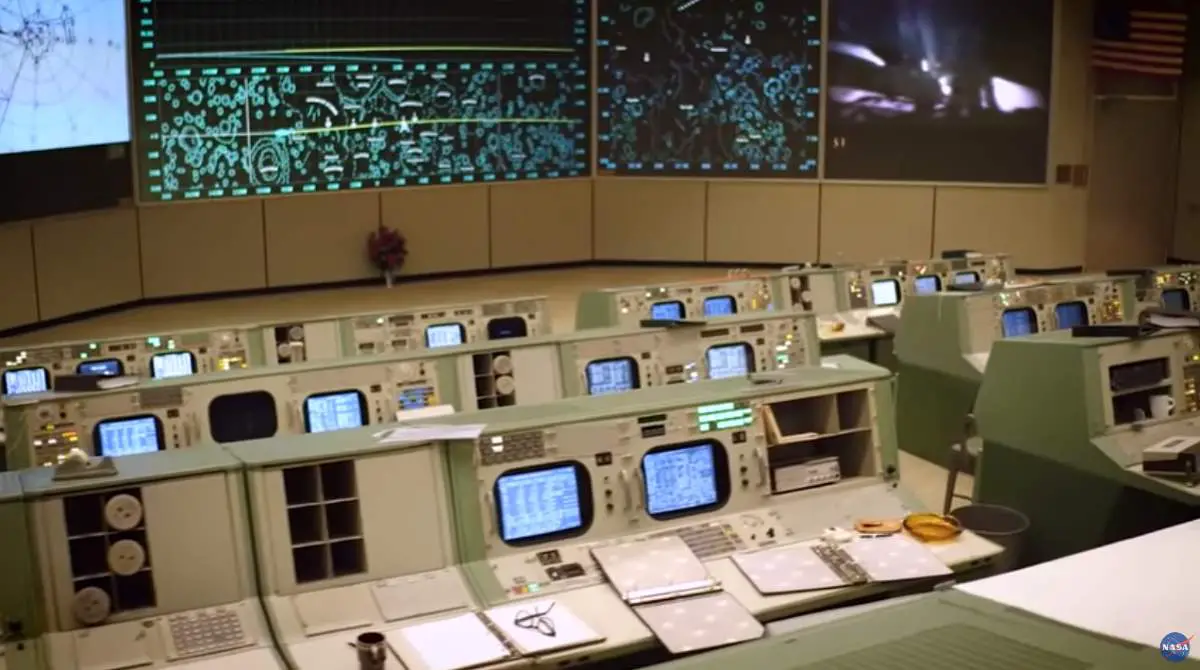
The historic Apollo mission control room in Houston has been fully restored by NASA for the 50th anniversary of the Apollo 11 mission. Now it provides a snapshot of how it looked during the first Moon landing on July 20, 1969.
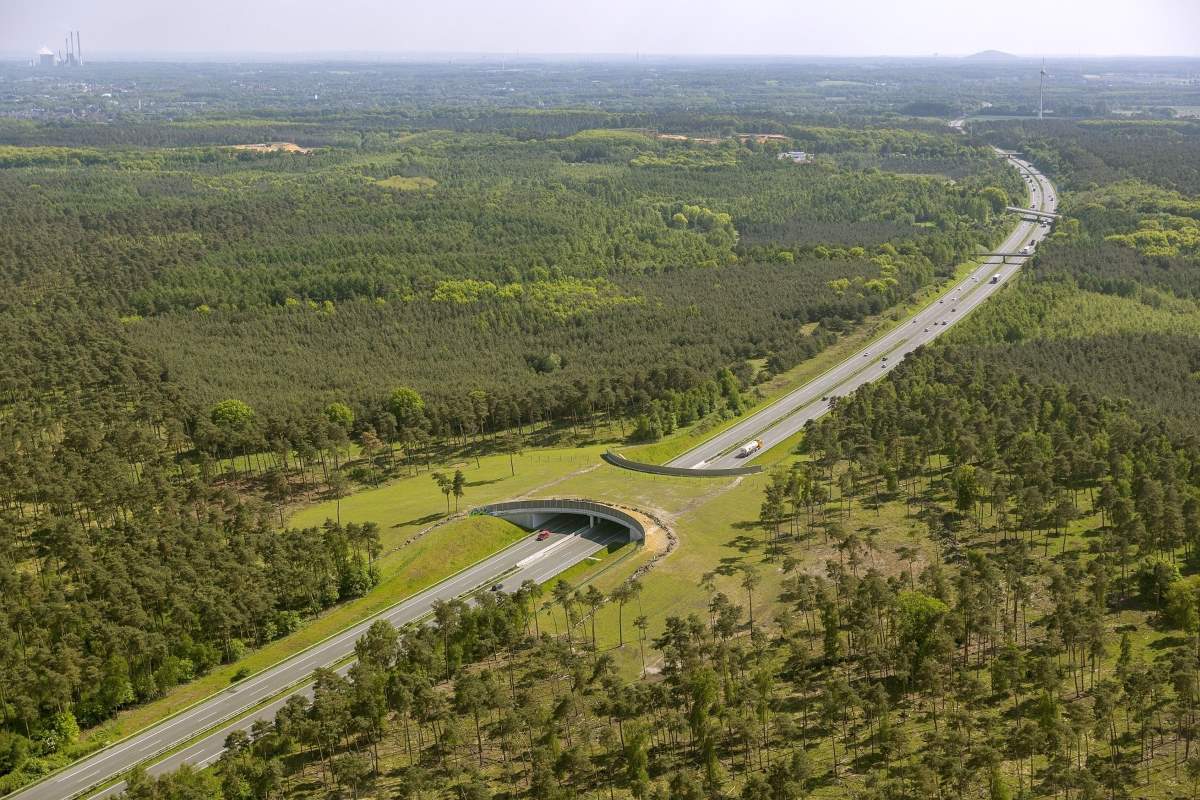
Wildlife crossings over (and under) the highways could make animals (both wild and domesticated) and people safer.
Our expanding network of roads is interrupting and fragmenting the territories of wild (and also domesticated) animals who need to cross our roads in search of food, water, mates, and shelter. Many are routinely struck and killed by vehicles in this most basic quest for survival.
In addition to conservation concerns, animal-vehicle collisions have a significant cost for human populations because collisions damage property and injure and kill passengers and drivers: in the United States only, collisions between wildlife and vehicles have increased by 50 percent in the most recently reported 15 years. These accidents now cost Americans $8 billion every year.
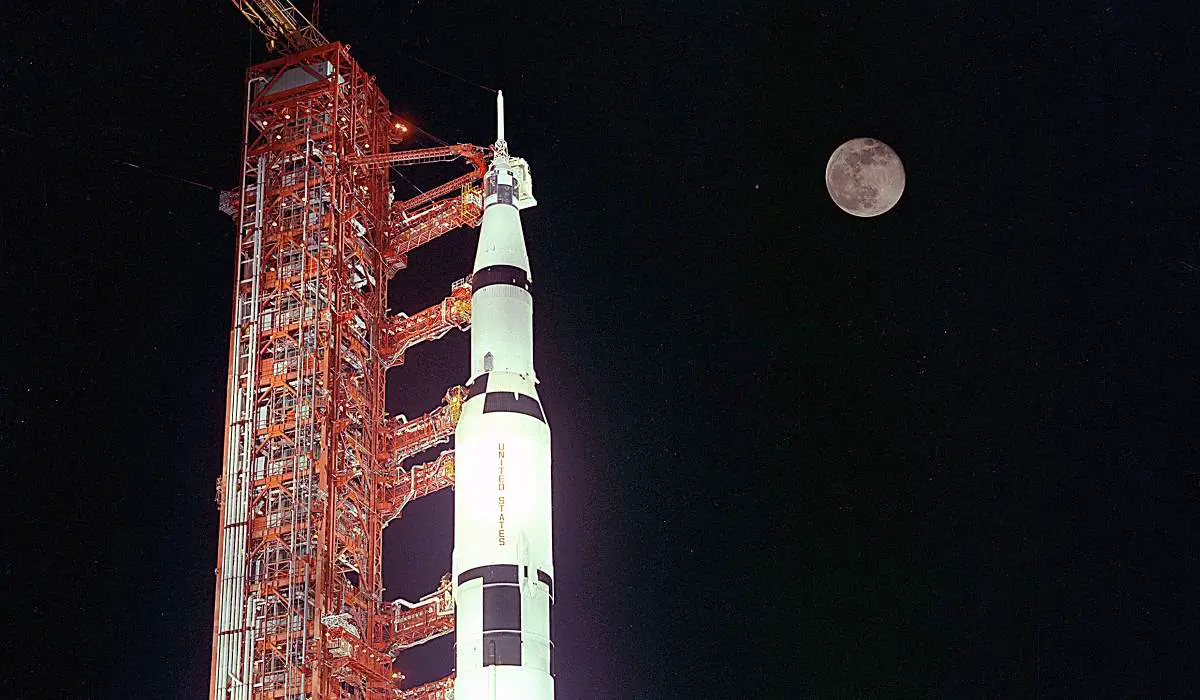
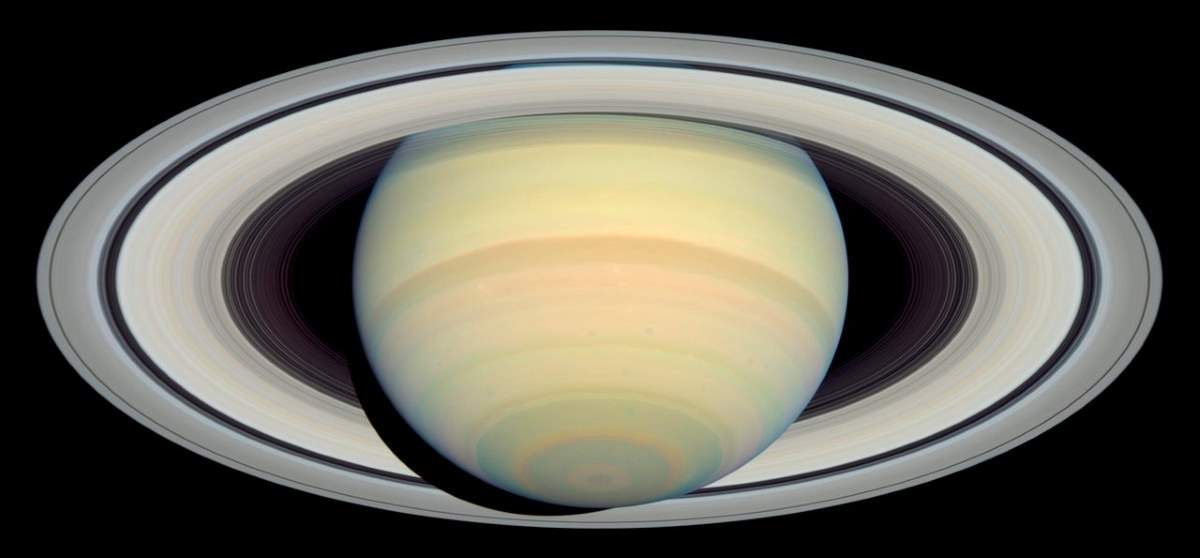
Hubble Space Telescope was launched on April 24, 1990, and entered service on May 20, 1990. Since then, it has observed all the planets in our Solar System, apart from Earth and Mercury. Earth is far better studied by geologists on the ground and specialized probes in orbit. Hubble can’t observe Mercury as it is too close to the Sun, whose brightness would damage the telescope’s sensitive instruments.
Here are the best images of the planets (except Earth and Mercury) and some non-planets of our Solar System through the eye of the Hubble Space Telescope.
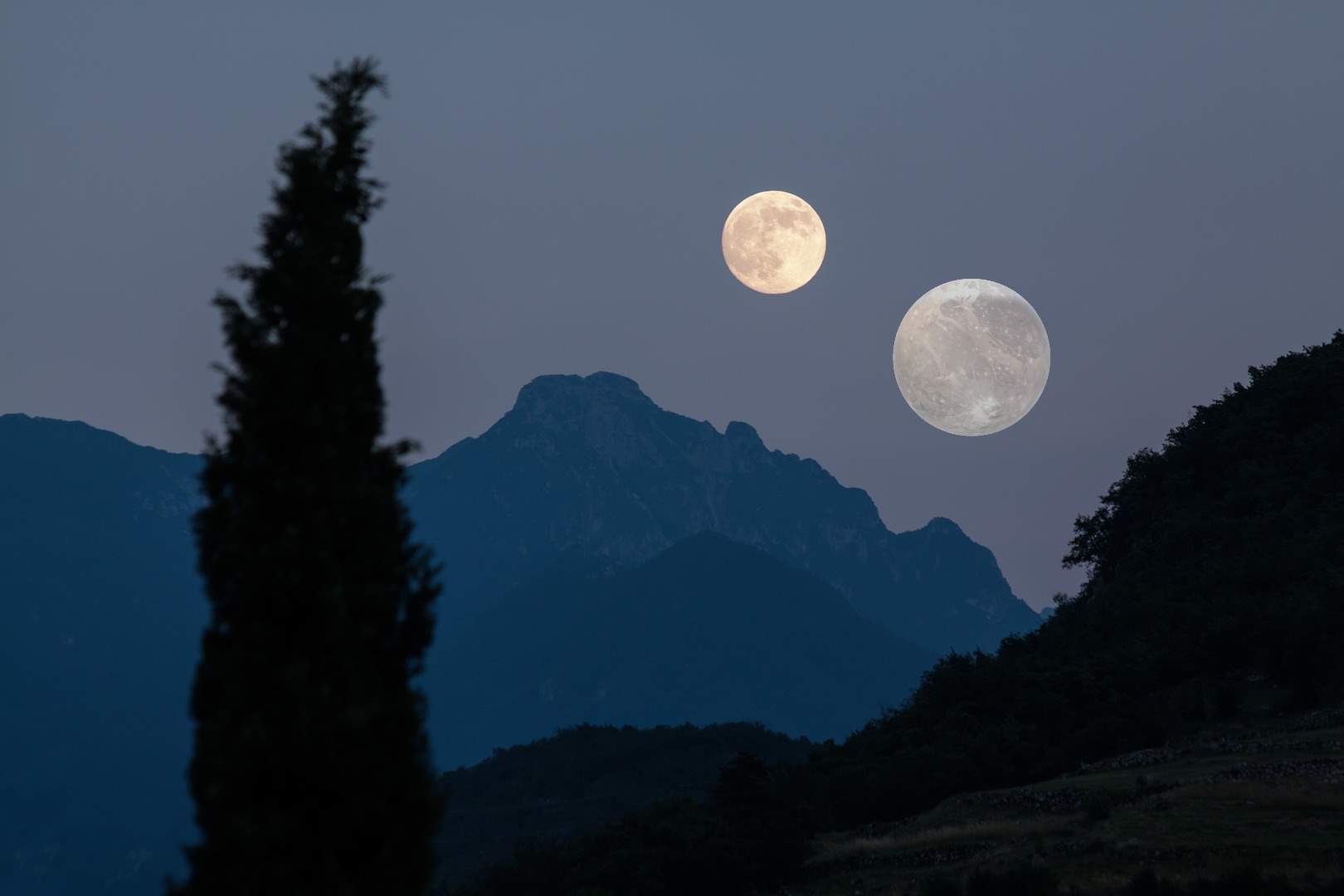
Jupiter’s moon Ganymede is the largest and most massive of the Solar System’s moons. It has a mean radius of 2634.1±0.3 km (about 1636 miles, 0.413 Earths). For comparison, our Moon’s radius is 1,737.1 km (1079 mi). What if Ganymede was the Earth’s second moon? How would it look in the sky, if it was at the same distance as the Moon?
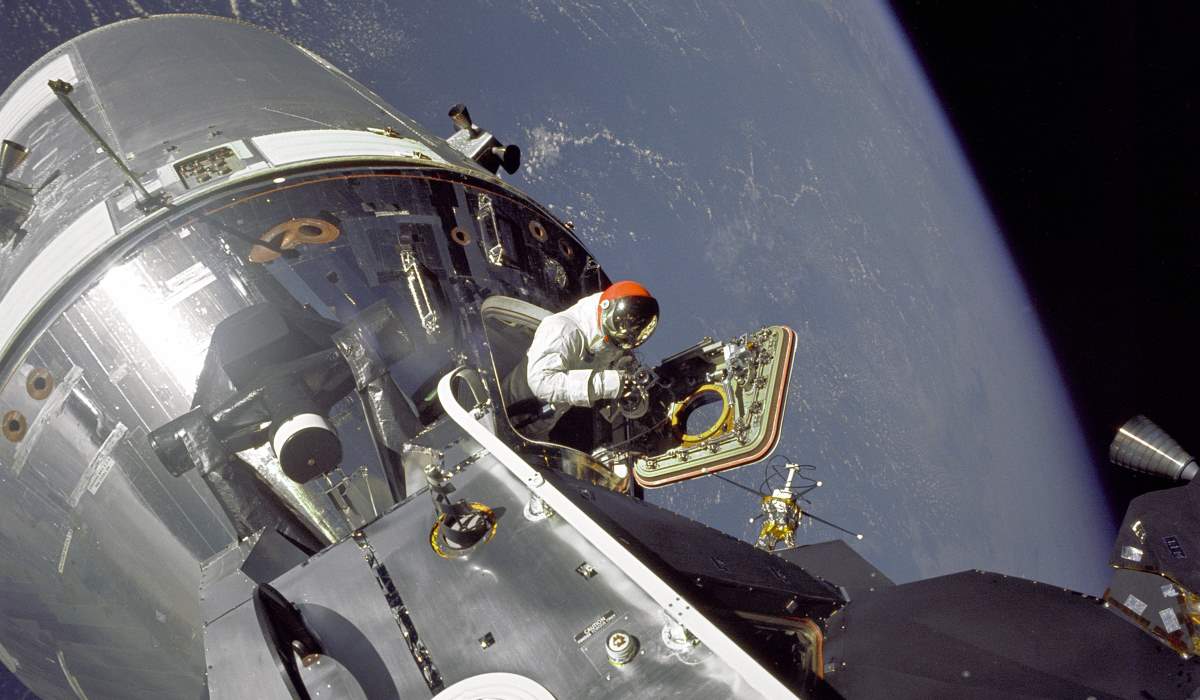
An amazing view of Earth from Apollo 9: on March 6, 1969, with the Command/Service Modules docked with the Lunar Module and Earth in the background, astronaut Dave Scott opens the hatch of CSM (“Gumdrop”) for his extravehicular activity (EVA) to test some of the spacesuit systems that will be used for lunar operations. Astronaut Rusty Schweickart took the picture from outside the Lunar Module, “Spider” at approximately 249.5 kilometers above the Earth. The entire EVA lasted 37 minutes.
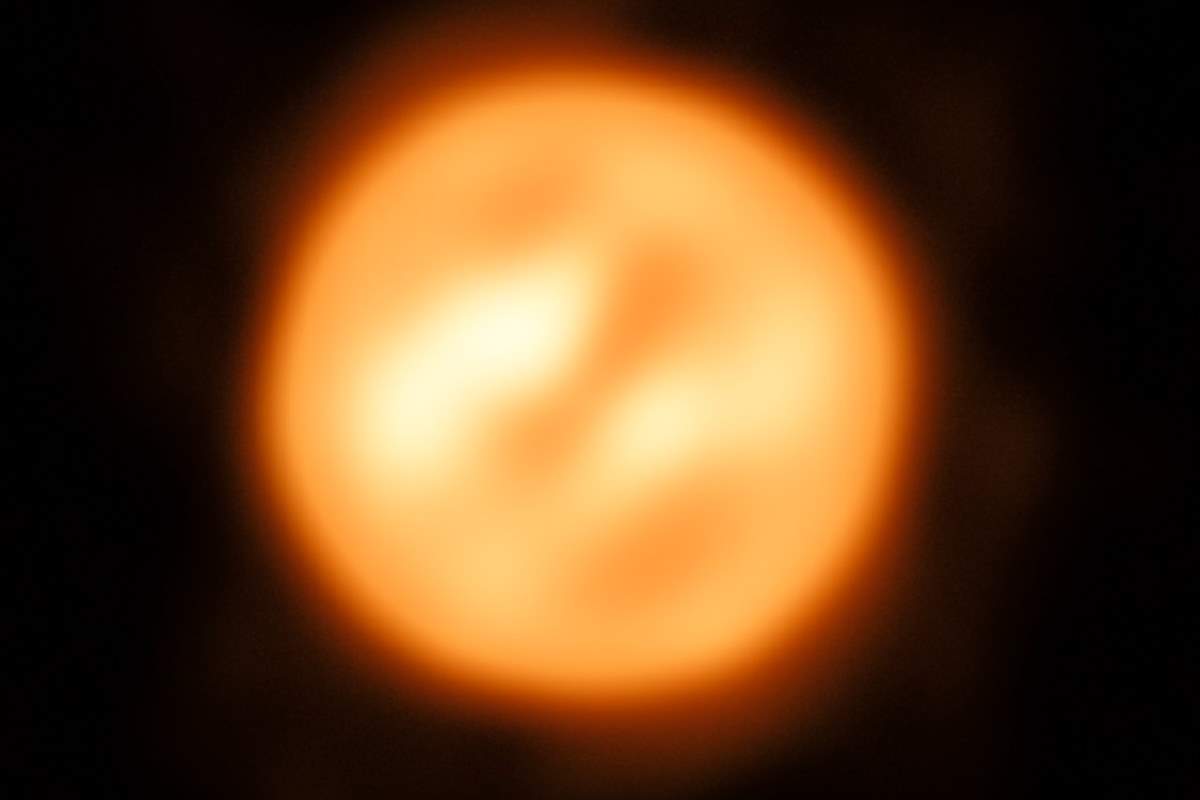
On August 23, 2017, astronomers have unveiled a photo that is the most detailed ever image of a star other than our Sun. The image of the red “supergiant” Antares has been constructed using the European Southern Observatory’s (ESO) Very Large Telescope Interferometer (VLTI) on Cerro Paranal (a mountain in the Atacama Desert of northern Chile).