Categories
People Climate Environment Global Warming Life on Earth

Will humans go extinct? For all the existential threats, we’ll likely be here for a very long time

Will our species go extinct? The short answer is yes. The fossil record shows everything goes extinct, eventually. Almost all species that ever lived, over 99.9%, are extinct.

Some left descendants. Most – plesiosaurs, trilobites, Brontosaurus – didn’t. That’s also true of other human species. Neanderthals, Denisovans, H. erectus all vanished, leaving just H. sapiens. Humans are inevitably heading for extinction. The question isn’t whether we go extinct, but when.

Nick Longrich, University of Bath

Categories
Global Warming Climate

NASA visualizes the amount of ice loss from the polar ice caps

NASA has published visualizations of the amount of ice loss from the polar ice caps in a post titled “Visualizing the Quantities of Climate Change: Ice Sheet Loss in Greenland and Antarctica”.

Categories
Climate Global Warming Mars Space Exploration

Here’s why Mars is cold despite having an atmosphere of mostly carbon dioxide

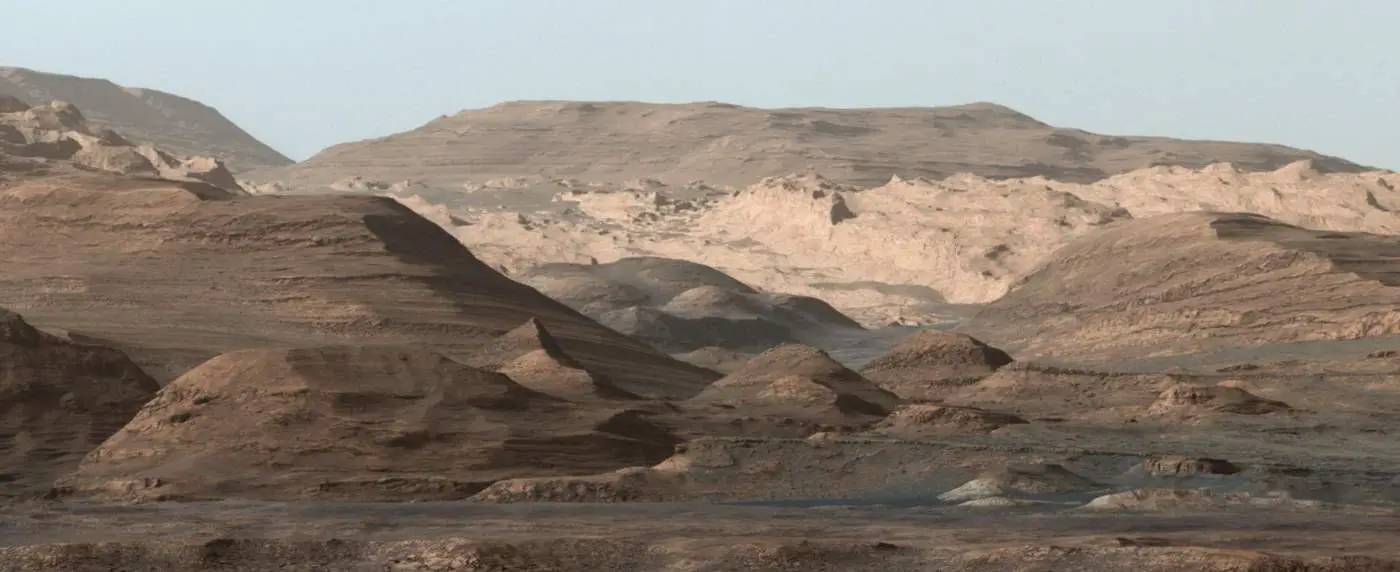
Mars, often referred to as the Red Planet, boasts an atmosphere dominated by carbon dioxide, a gas typically associated with warmth-inducing greenhouse effects on Earth. Yet, anyone expecting balmy temperatures on Mars would be in for a chilly surprise. Despite its CO₂-rich atmosphere, Mars remains an icy desert with temperatures often plummeting far below freezing. The paradoxical nature of a cold planet blanketed by a gas known for trapping heat sparks curiosity and demands an explanation. In this article, we’ll delve into the multifaceted reasons behind Mars’ frigid climate, revealing the intriguing interplay of astrophysical, geological, and atmospheric factors that keep our neighboring planet cold.

Categories
Environment Climate Life on Earth Planet Earth

Forget the Anthropocene: we’ve entered the synthetic age

One fact about our time is becoming increasingly well-known. No matter how far you travel, no matter in which direction you point, there is nowhere on Earth that remains free from the traces of human activity. The chemical and biological signatures of our species are everywhere. Transported around the globe by fierce atmospheric winds, relentless ocean currents, and the capacious cargo-holds of millions of fossil-fuel-powered vehicles, nowhere on Earth is free from humanity’s imprint. Pristine nature has permanently blinked out of existence.

Categories
Life on Earth Animals Climate

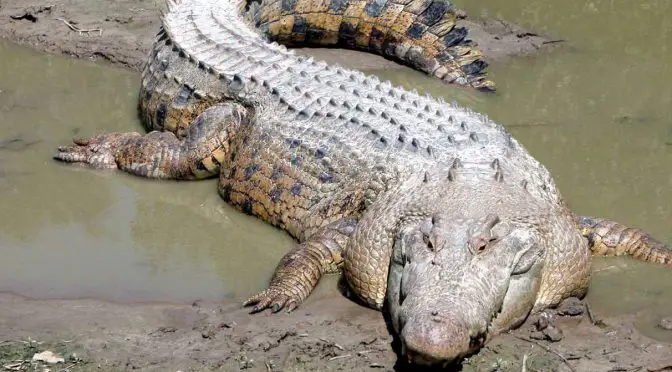
Here’s How Climate Change Created Today’s Large Crocodiles

What does the term crocodylian bring to mind? A big reptile with a chomping jaw? But exactly which environmental factors created today’s large crocodiles?

Categories
Climate Global Warming Oceans

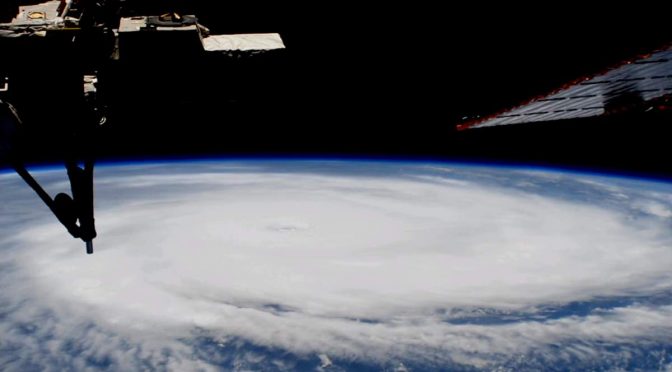
20 Hurricane Facts

Hurricanes are very powerful tropical storms (also known as tropical cyclones). When a tropical storm’s maximum sustained winds reach 74 mph (119 km/h), it is called a hurricane.

Hurricane is actually the name of a tropical cyclone that occurs in the Atlantic Ocean and the northeastern Pacific Ocean. In the northwestern Pacific Ocean; in the south Pacific or the Indian Ocean, for example, hurricanes are usually known as typhoons.

Hurricanes are classified by their sustained wind speed. The Saffir-Simpson hurricane wind scale (SSHWS) is a 1 to 5 rating based on a hurricane’s sustained wind speed. This scale estimates potential property damage.

Hurricanes reaching Category 3 and higher are considered major hurricanes because of their potential for significant loss of life and damage. Category 1 and 2 storms are still dangerous, however, and require preventative measures.

Here are 20 amazing hurricane facts.

Categories
Environment Climate Global Warming Life on Earth Plants

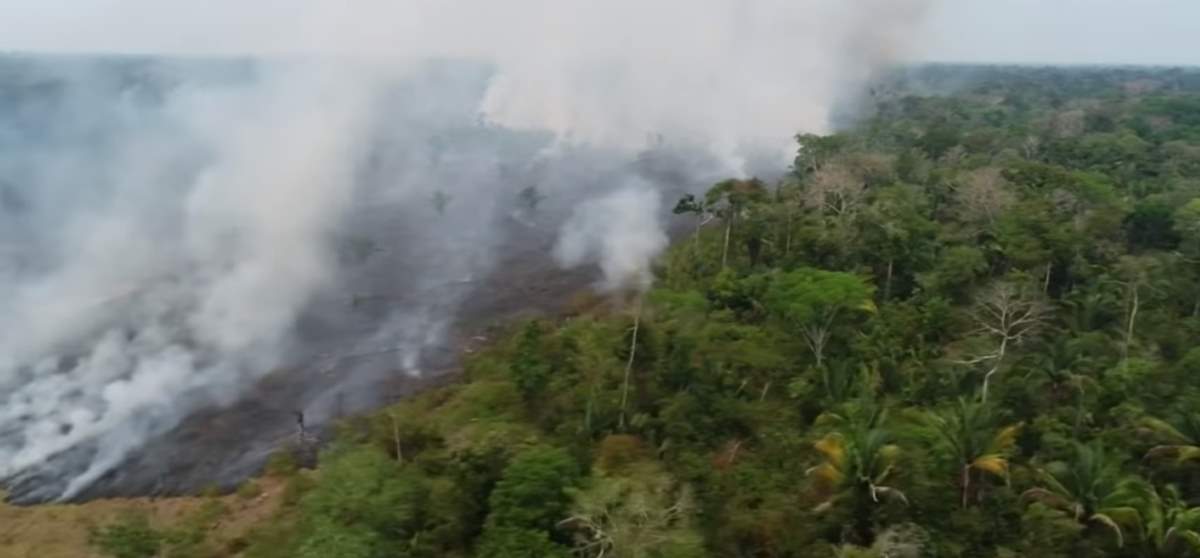
If we lose the Amazon rainforest, the consequences would be disastrous

There are big wildfires in the Amazon, the world’s largest tropical rainforest. Rainforests are the oldest living ecosystems and without a shadow of a doubt, the most vital habitats on Earth (the Amazon rainforest has been in existence for at least 55 million years). The Amazon represents over half of the planet’s remaining rainforests, and comprises the largest and most biodiverse tract of tropical rainforest in the world, with an estimated 390 billion individual trees divided into 16,000 species.

Categories
Insects Climate Global Warming Life on Earth

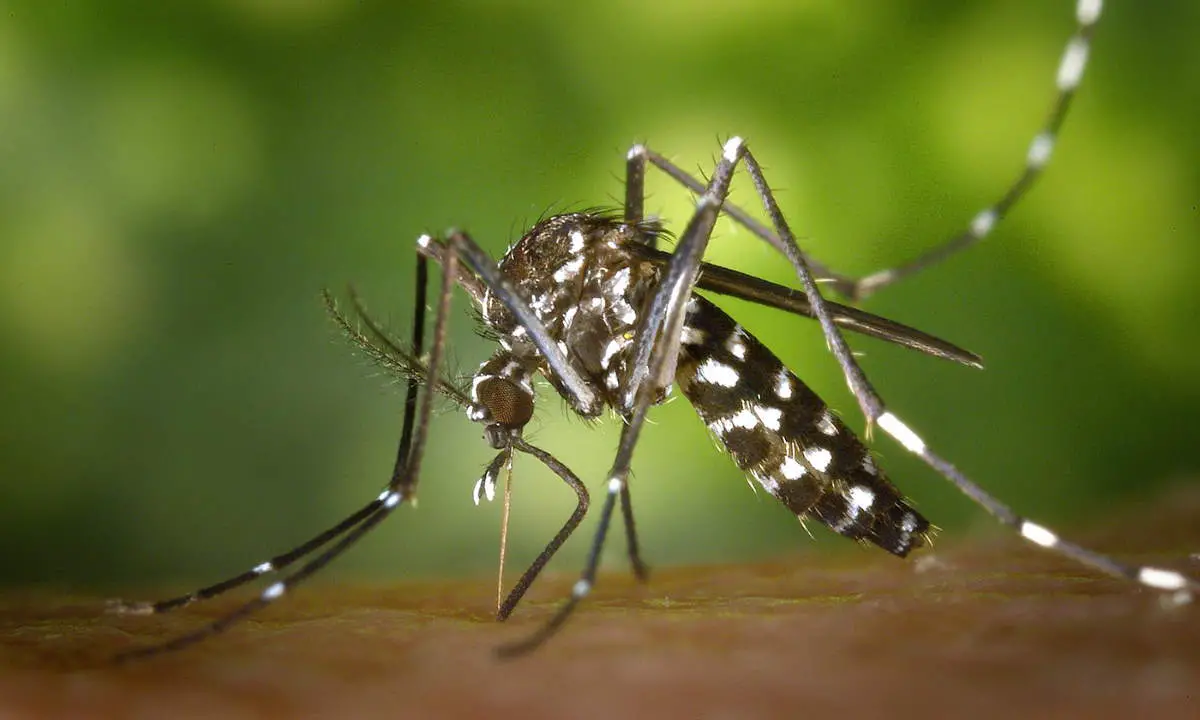
What would happen if bees went extinct? [Explained]

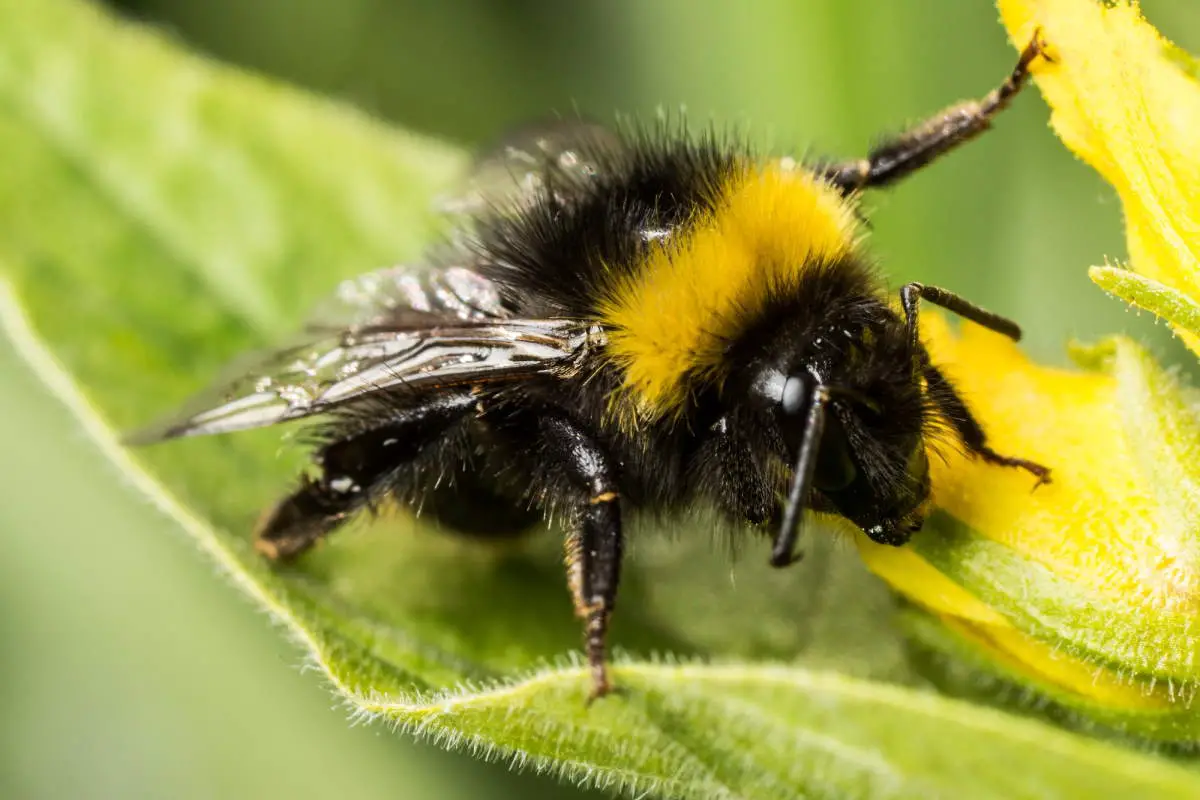
Bees – including honey bees, bumblebees, and solitary bees – are very important because they pollinate food crops. Pollination is where insects move pollen from one plant to another, fertilizing the plants so that they can produce fruit, vegetables, seeds, and so on. If all the bees went extinct, it would destroy the delicate balance of the Earth’s ecosystem and affect global food supplies.

Categories
Planet Earth Climate Global Warming

Is Anthropocene a joke? A good read

According to some scientists, the world entered a completely new geological era called “Anthropocene“. And the reason is humans because we changed the world so much.

Now, a very good and detailed article written by the American science writer Peter Brannen and published on The Atlantic argues that the so-called Anthropocene is not a new era, it’s just an “event” in the Earth’s history. It’s a long but good read.

Categories
Solar System Astronomy Climate Life on Earth Physics Planet Earth

How Earth Could Die [12 Horrible Ways!]