According to a new study published in Science, a massive forest restoration at a global scale could help capture atmospheric carbon and mitigate global warming.
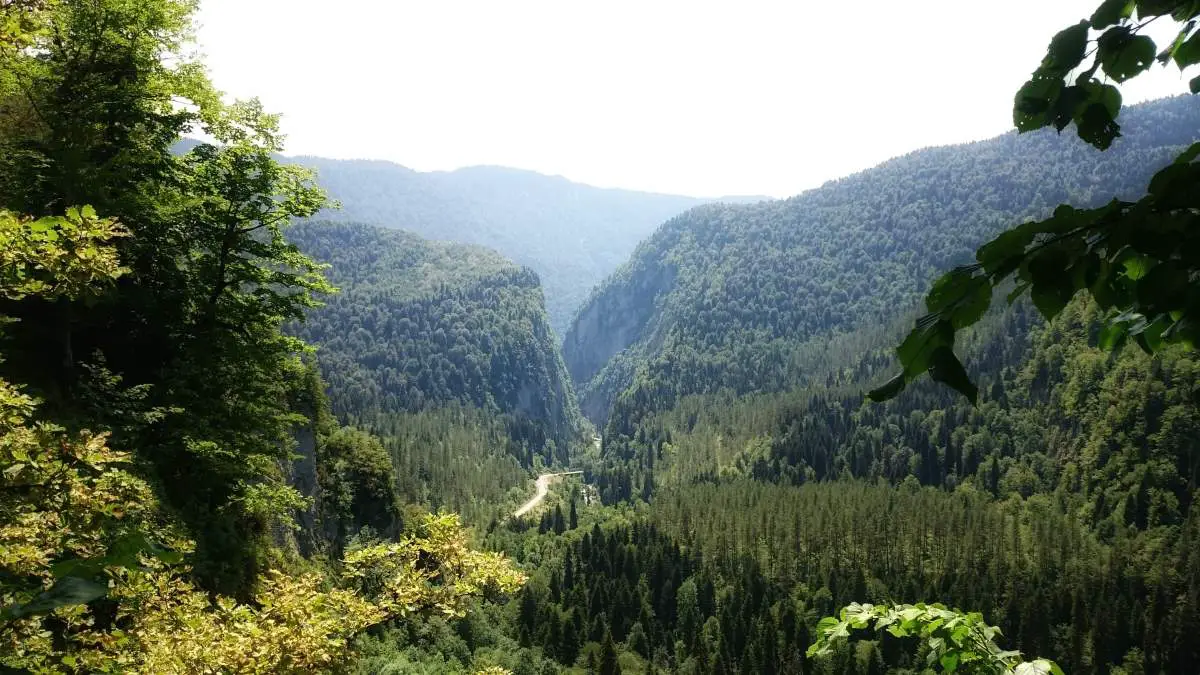
According to a new study published in Science, a massive forest restoration at a global scale could help capture atmospheric carbon and mitigate global warming.

We, humans, are destroying the Earth’s wilderness, very fast. Actually, we are the main (and probably the only) cause of the sixth major extinction event in the history of our planet. Now, a recent UN report says at least one million species (animals, plants, and insects) are at the risk of extinction. There will be serious consequences for life on Earth, and also for human beings.

NASA’s Global Ecosystem Dynamics Investigation (GEDI) on the International Space Station (ISS) beams laser light down to Earth to reveal the height and density of trees and vegetation.

Around 55.5 million years ago, there was a time period with more than 5°C – 8 °C warmer global average temperature than today, which named “Paleocene-Eocene Thermal Maximum” (PETM). As a result, there were crocodiles and even crocodiles in the Arctic and the region was completely ice-free. Now, a new study suggests that if we keep burning fossil fuels at the current rate, the Earth will be again 8 degrees warmer within the next few hundred years. We are pumping 10 times more carbon into the atmosphere than when there were palm trees in the Arctic. We’re going to face another PETM-like event soon.

Here is a quick summary of the Earth’s snow cover between March 2000 and December 2018. These snow cover maps are made from observations collected by the Moderate Resolution Imaging Spectroradiometer (MODIS) on NASA’s Terra satellite.
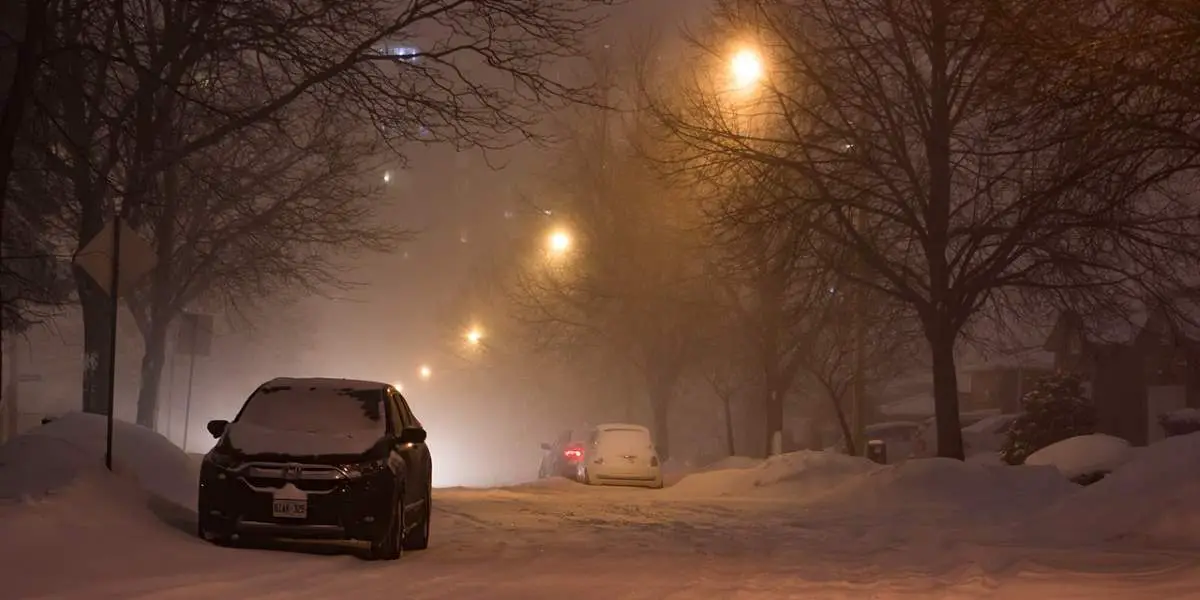
The polar vortex is a large area of low pressure and cold air surrounding the Earth’s north and south poles. It is the reason why extreme winter conditions are bringing record-breaking cold temperatures to parts of North America.

Musicians from Zambia (Africa) protest the destruction of the environment and the wildlife with the song titled “
We, humans, are destroying the Earth’s wilderness at an alarming pace. Scientists say we have destroyed 10% of Earth’s wildlife habitat in just 25 years. Since 1993, 3.3 million km2 of global wilderness areas, particularly in the Amazon basin (almost 30%) and central Africa (14%) were lost. This is almost twice the size of Alaska!

A lazy buzz phrase – ‘Is this the new normal?’ – has been doing the rounds as extreme climate events have been piling up over the past year. To which the riposte should be: it’s worse than that – we’re on the road to even more frequent, more extreme events than we saw this year.
We have known since the 1980s what’s in store for us. Action taken then to reduce emissions by 20