Categories
Geology Planet Earth

Scale and composition of Earth’s surface

In collaboration with Dr. Christine Houser (@seismodoc), a specially appointed assistant Professor of solid Earth geophysics at the Earth-Life Science Institute in Japan, NASA Goddard Planetary Scientist Dr. James O’Donoghue (@physicsJ) created another amazing animation titled “Scale and Composition of Earth’s surface: Major constituents of the crust, water, and atmosphere” and published on his YouTube channel.

Categories
Geology Geography

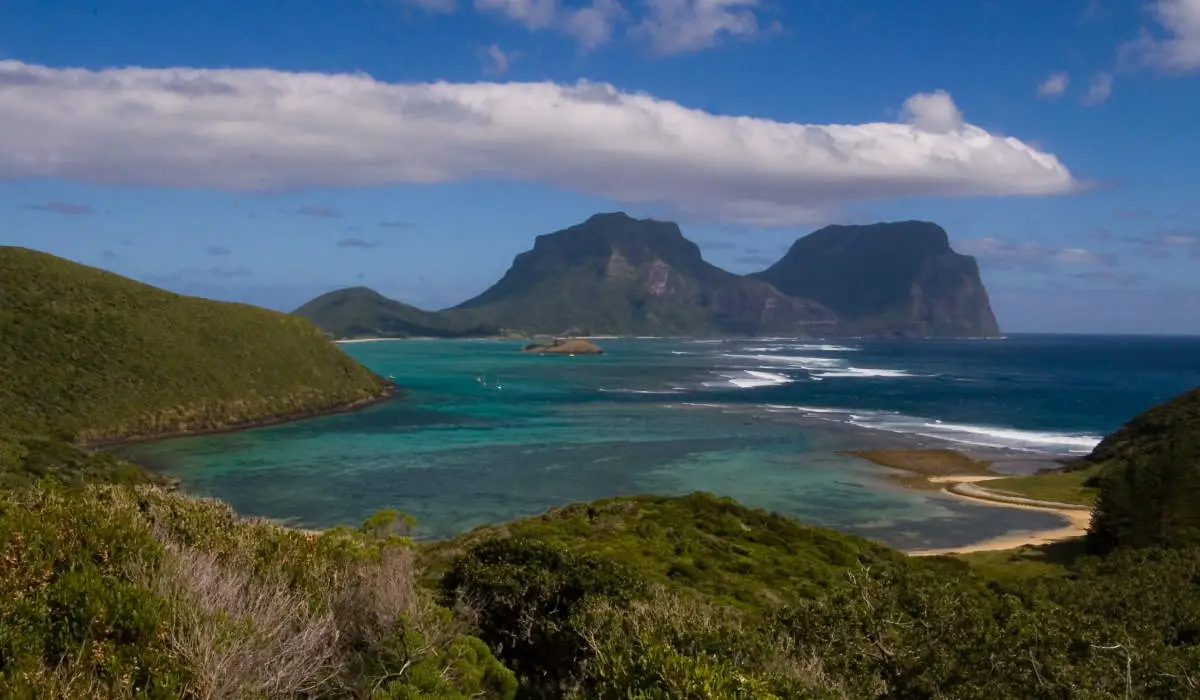
What are lost continents, and why are we discovering so many?

For most people, continents are Earth’s seven main large landmasses.

But geoscientists have a different take on this. They look at the type of rock a feature is made of, rather than how much of its surface is above sea level.

In the past few years, we’ve seen an increase in the discovery of lost continents. Most of these have been plateaus or mountains made of continental crust hidden from our view, below sea level.

Maria Seton, University of Sydney; Joanne Whittaker, University of Tasmania, and Simon Williams, University of Sydney

Categories
Geology

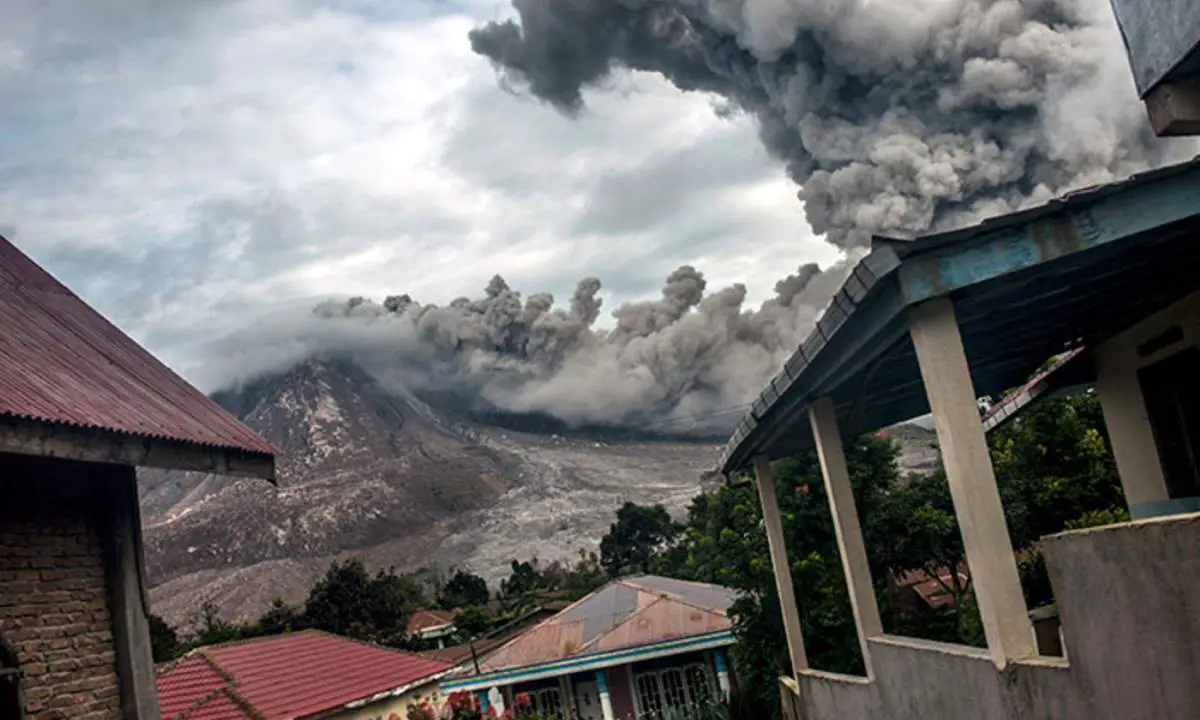
What kills you when a volcano erupts? [It’s not what you think]

The blockbuster movie Jurassic World: Fallen Kingdom (2018) involves more than just dinosaurs wreaking havoc. Humans are sent in to rescue some prehistoric critters on the volcanic island of Isla Nublar, and chaos soon begins. The volcano erupts, and everyone runs away as a roiling cloud called a pyroclastic flow approaches. At one point the main character disappears into the cloud. Luckily, some dinosaurs and humans in a strange glass ball fall over a cliff into the sea, and our hero splashes in not long after.

Categories
Geology

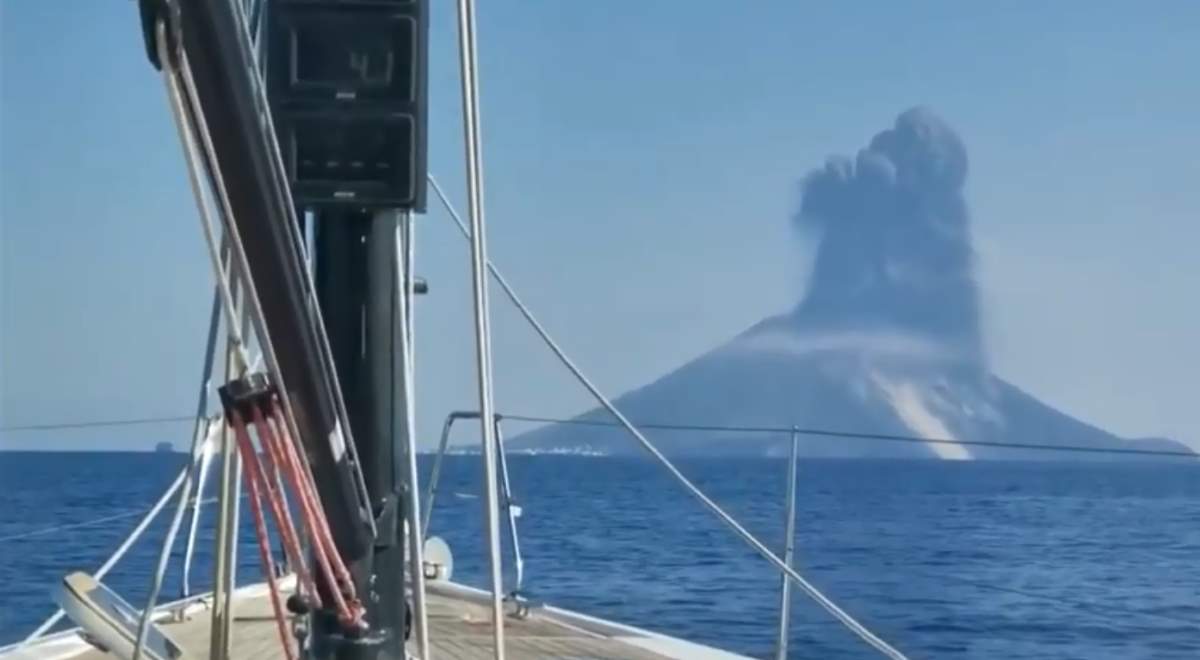
The exact moment of Stromboli Eruption filmed in a sailboat

Mount Stromboli, one of the three active volcanoes in Italy (others being Mount Etna on Sicily – continuous activity, and Mount Vesuvius, near Naples – last erupted in 1944), has been in almost continuous eruption for the past 2,000 years. The last eruption took place on 3 July 2019. The exact moment of the event has been filmed in a sailboat.

Categories
Moon Landing Geology Planet Earth Space Exploration

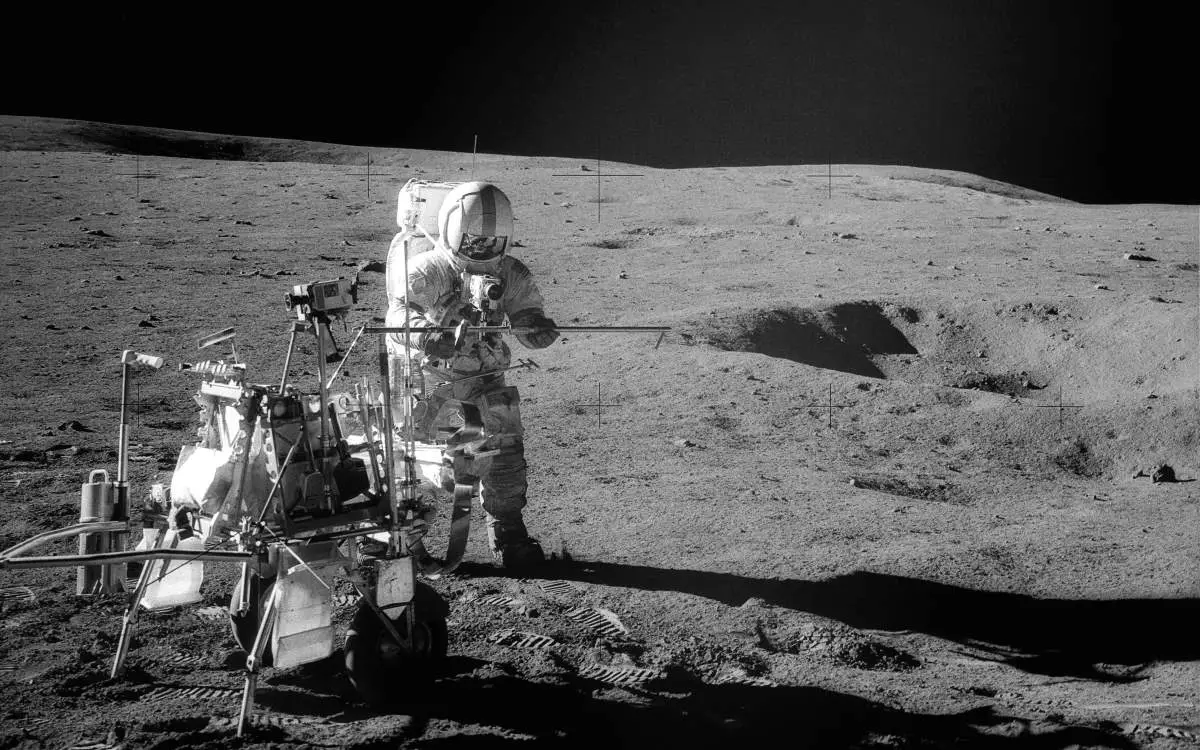
Earth’s oldest rock has been found… on the Moon!

According to research published in the journal Earth and Planetary Science Letters, Earth’s oldest rock (which is 4.1 billion years old) has been found in an Apollo 14 sample from the Moon. If confirmed, it’s an amazing discovery.

Categories
Geology Mountains

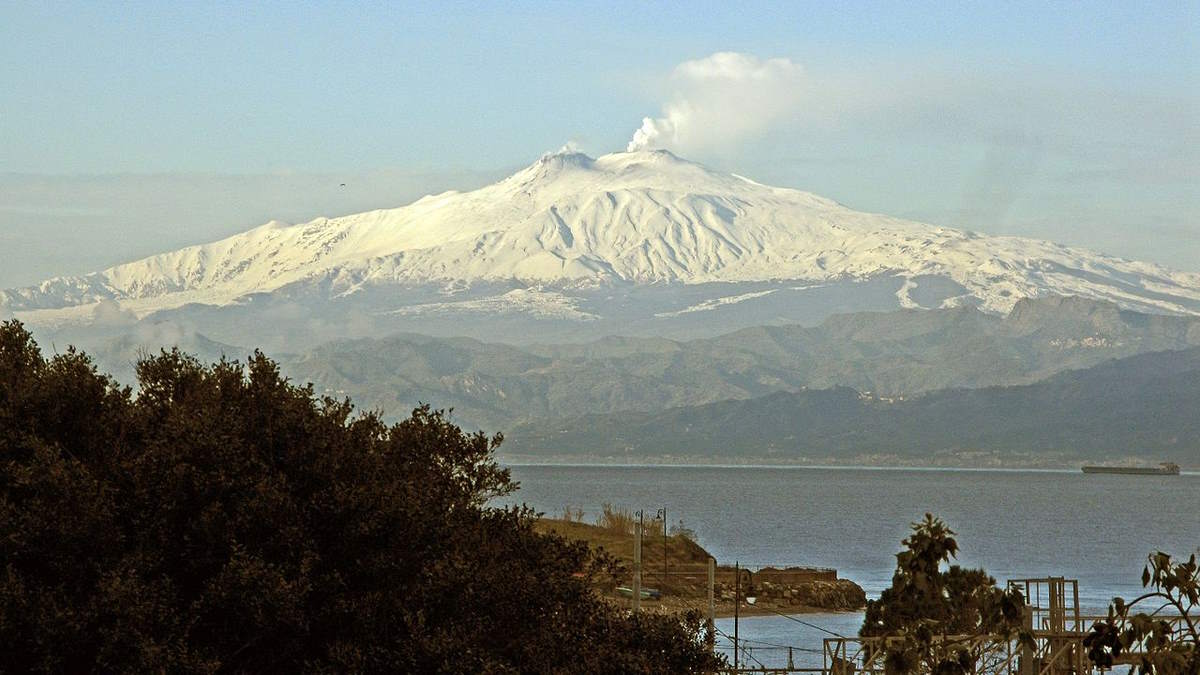
Mount Etna is sliding into the sea

Mount Etna, Europe’s most active volcano (also one of the most active volcanoes in the world) is sliding into the Ionian Sea at rates of centimeters per year. If part of it falls into the sea, it could create horrible mega-tsunamis that would devastate the eastern Mediterranean shores.

Categories
Earth from Space Geology Space Exploration

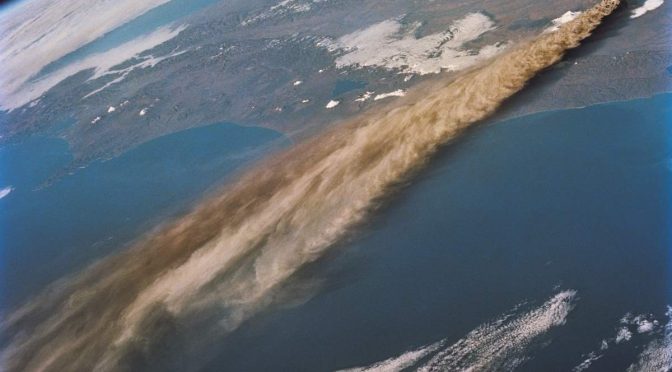
Kliuchevskoi Volcano from Space (NASA Image)

During the STS-68 mission (September 30-October 11, 1994), the crew members of Space Shuttle Endeavour used a 70 mm camera to photograph Klyuchevskaya Sopka (also known as Kliuchevskoi), a stratovolcano, the highest mountain on the Kamchatka Peninsula of Russia and the highest active volcano of Eurasia. The eruption was new when this photo was taken. It was photographed from 115 nautical miles (213 kilometers) above Earth.

Categories
Prehistoric Animals Evolution Geography Geology Insects Life on Earth Planet Earth Plants

Here’s What did Ancient Earth Look Like

I stumbled upon an amazing web page showing what did ancient Earth look like. On the “Dinosaur Pictures and Facts” web page (dinosaurpictures.org), there’s also an interactive animation. On this page, you can either select the years (i.e. 600 million years ago) or jump to a particular event (i.e. first multicellular life) and see how ancient Earth did look like then. You can also remove the clouds and stop the Earth’s rotation if you want to.

Categories
Geology Geography Planet Earth

Here’s how Earth will look in 250 million years [video]

Earth’s outer shell is divided into multiple plates that slowly glide over the mantle. The movement of these plates slowly changes Earth’s surface over time by merging, or separating, continents. 250 million years from now, consistent with the supercontinent cycle (see notes 1), there will be a possible future supercontinent called Pangaea Ultima.

Hypothesized by Christopher Scotese, a geologist at the University of Texas at Arlington, Pangaea Ultima earned its name from its similarity to the previous Pangaea supercontinent, which was formed about 335 million years ago, and began to break apart about 175 million years ago. Here is a beautiful video published by the Tech Insider channel showing the formation of this supercontinent and how Earth will look 250 million years from now.

Categories
Geology Places

An Island Forming in Tonga [Amazing Time-lapse]