Categories
Solar System Astronomy Earth from Space Planet Earth Space Exploration

Meteor which blasted over the Bering Sea was recorded by a satellite

On December 18, 2018, at around noon local time, a meteor about 10 meters (30 feet) long and weighing more than 1,500 tons, plunged into Earth’s atmosphere. It exploded over the Bering Sea and released energy equivalent to 173 kilotons of TNT – at least ten times more powerful than “Little Boy”, the atomic bomb dropped on the Japanese city of Hiroshima on August 6, 1945. Japanese weather satellite Himawari 8 has recorded the fireball of the meteor before it exploded.

Categories
Solar System Astronomy Space Exploration

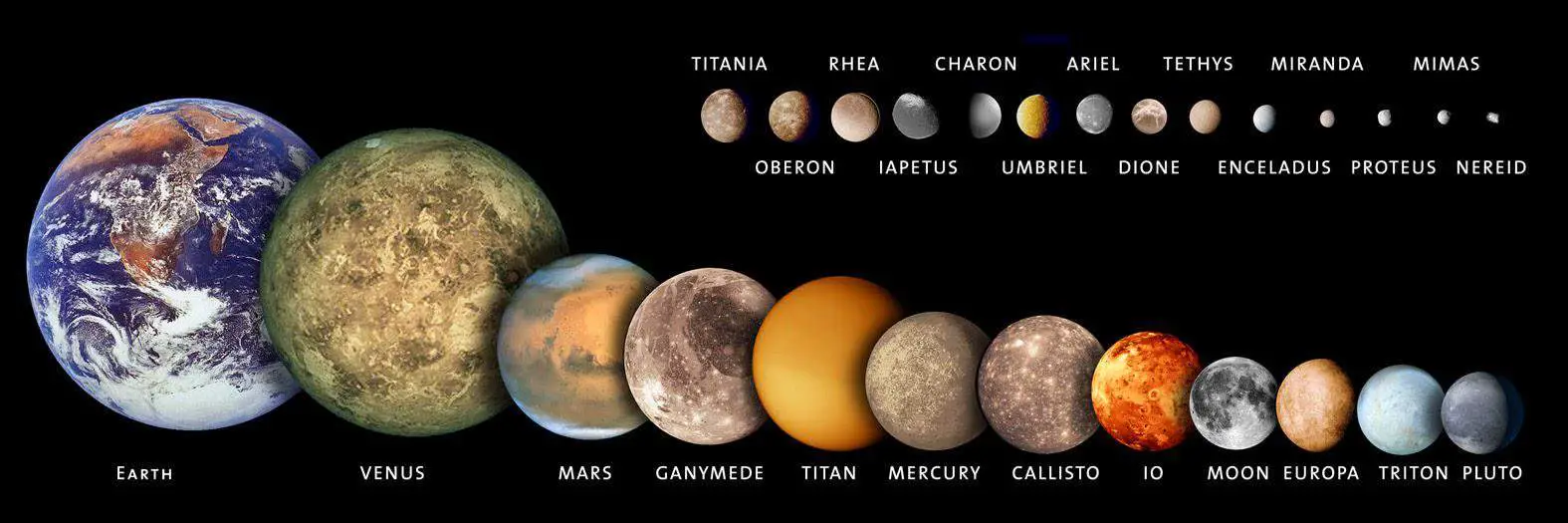
Top 10 Largest Non-Planets in the Solar System

The Solar System is a vast and fascinating place that is home to a diverse range of celestial bodies, ranging from small asteroids to giant planets. However, there are also a number of objects that fall somewhere in between – they are not planets, but they are also not small enough to be considered asteroids or comets.

In this article, we will explore the top 10 largest non-planets in the Solar System. From massive moons to dwarf planets, these objects are fascinating in their own right and play an important role in our understanding of the cosmos. Let’s take a closer look at these intriguing objects and learn more about what makes them so unique.

Categories
Animals Evolution Life on Earth Oceans

Blue whale facts: How big is the blue whale?

The blue whale (scientific name: Balaenoptera musculus) is a marine mammal belonging to the baleen whales (Mysticeti). Up to 31 meters (102 feet) in length and 190 tonnes (210 short tons) in weight, it is the largest extant animal and also is the heaviest known to have existed. But it’s hard to conceptualize how big these wonderful animals really are. To put things into perspective, the Facts in Motion channel prepared a video titled “Blue Whales Are Way Bigger Than You Think”. The video also explains the evolutionary reasons behind how and why blue whales get that large.

Categories
Space Exploration Mars

What happens to old spacecraft?

Since the launch of the first artificial Earth satellite, Sputnik 1, on October 4, 1957, we launched thousands of spacecraft into Earth orbit and beyond. A fraction of them are still functioning, but what happened to the vast majority of them? “The Curious Droid” published another informative video titled “What happens to old spacecraft?”

Categories
Moon Landing Earth from Space Space Exploration

Apollo 11 Lunar Module ascent stage photographed from Command Module by Michael Collins

A beautiful photo from the Moon’s orbit – Apollo 11 Lunar Module ascent stage photographed from Command Module by Michael Collins on July 21, 1969.

Categories
Earth from Space Moon Landing Space Exploration

Beresheet, Israel’s first moon mission spacecraft sends back selfie with Earth

Beresheet (which means “Genesis” in Hebrew), Israel’s first Moon mission spacecraft has sent an amazing selfie with Earth in the background today.

In the photo, a plaque on the side of moon lander features the flag of Israel and phrases “Am Yisrael Chai” (which means roughly “The Jewish nation lives” or “the people of Israel are still alive”) and “small country, big dreams”.

Categories
Earth from Space Space Exploration

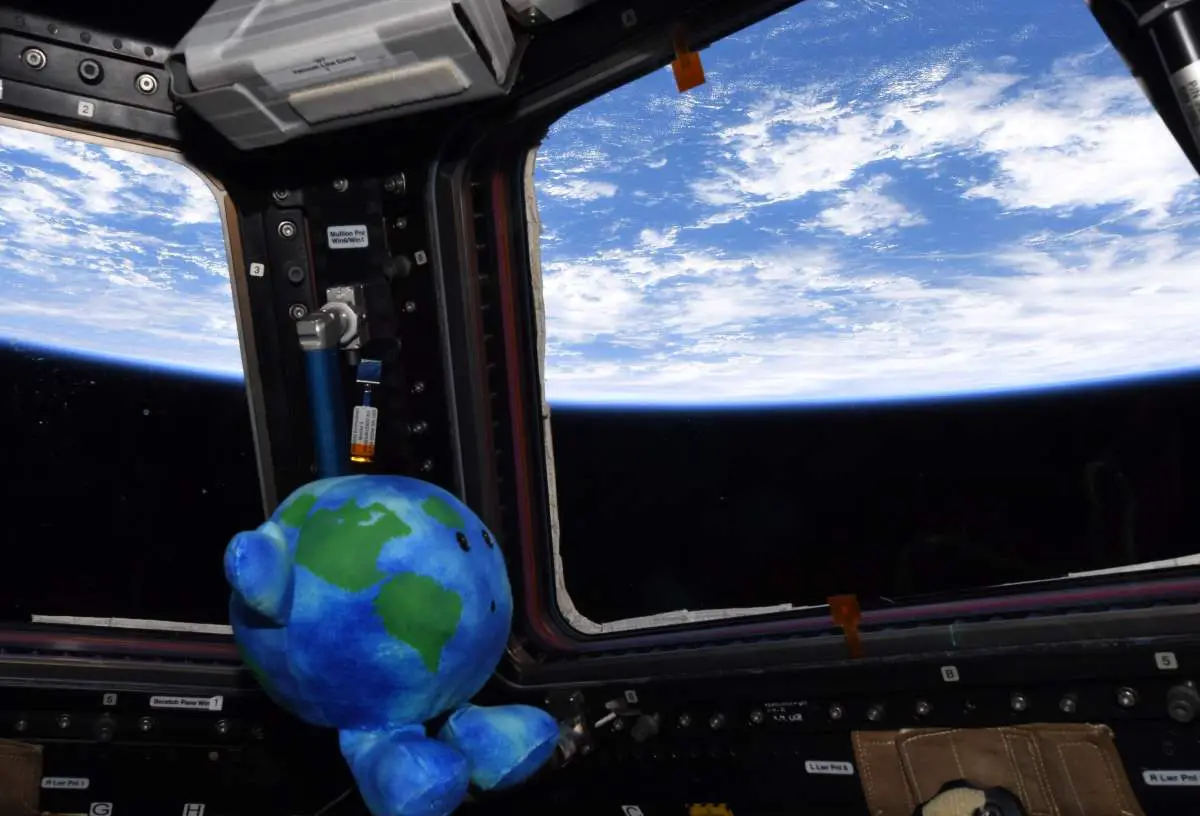
Yes, buddy, that’s your Mother Earth. Isn’t she beautiful?

American astronaut Anne McClain, who is a part of Expedition 58/59 to the International Space Station, shared the beautiful (and cute) photo below on her Twitter account, saying “Yes, buddy, that’s your Mother Earth. Isn’t she beautiful?”.

Categories
Space Exploration Earth from Space

The First Commercial Crew Mission Arrives at the ISS

On March 3, 2019, at 10:51 UTC (05:51 EST), SpaceX Demo-1 Crew Dragon autonomously docked to the International Space Station’s Harmony module forward International Docking Adapter (IDA), becoming the first commercial crew spacecraft arrived at the International Space Station (ISS). Here’s the video of the docking process.

Categories
Solar System Astronomy

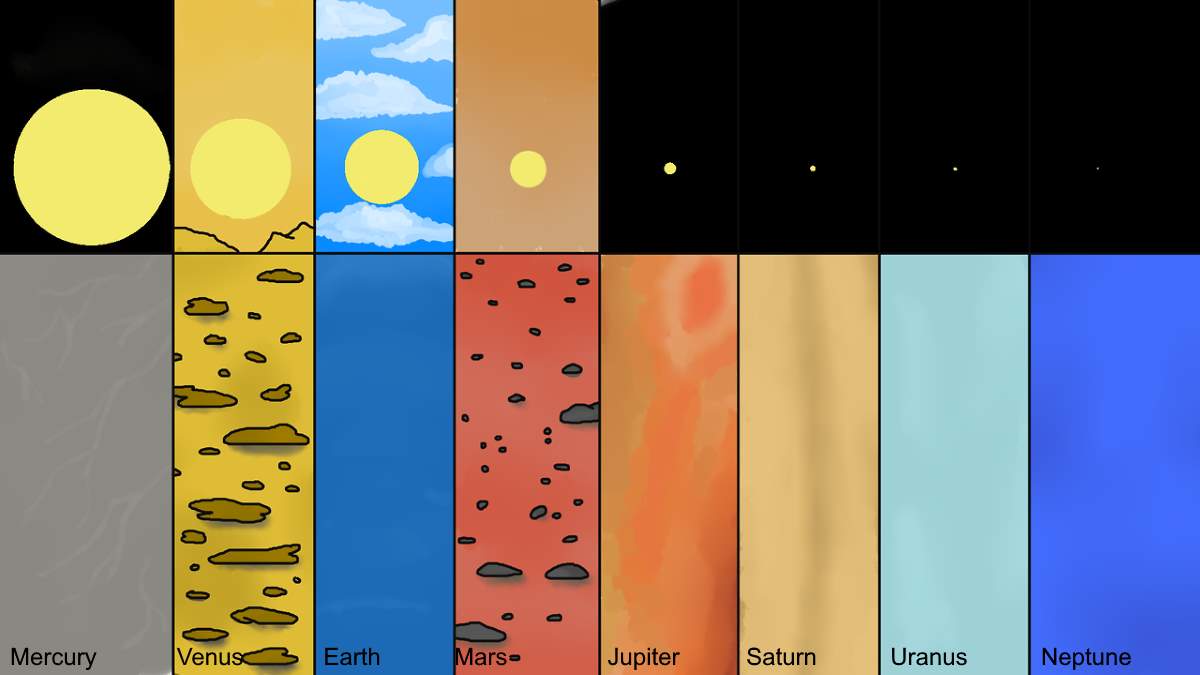
How large the Sun looks from other planets [Apparent Size of the Sun]

Have you ever wondered what the Sun would look like from the other planets in our solar system? Here is a visual showing the apparent size of the Sun from the planets of the solar system, including Earth.

Categories
Global Warming Climate Life on Earth Prehistoric

We are pumping 10 times more carbon into the atmosphere than when there were palm trees in the Arctic

Around 55.5 million years ago, there was a time period with more than 5°C – 8 °C warmer global average temperature than today, which named “Paleocene-Eocene Thermal Maximum” (PETM). As a result, there were crocodiles and even crocodiles in the Arctic and the region was completely ice-free. Now, a new study suggests that if we keep burning fossil fuels at the current rate, the Earth will be again 8 degrees warmer within the next few hundred years. We are pumping 10 times more carbon into the atmosphere than when there were palm trees in the Arctic. We’re going to face another PETM-like event soon.