The vast tropical rainforest-the largest of its kind-is diminishing at an alarming rate. If the Amazon Rainforest is destroyed, the effects on Earth will be devastating.
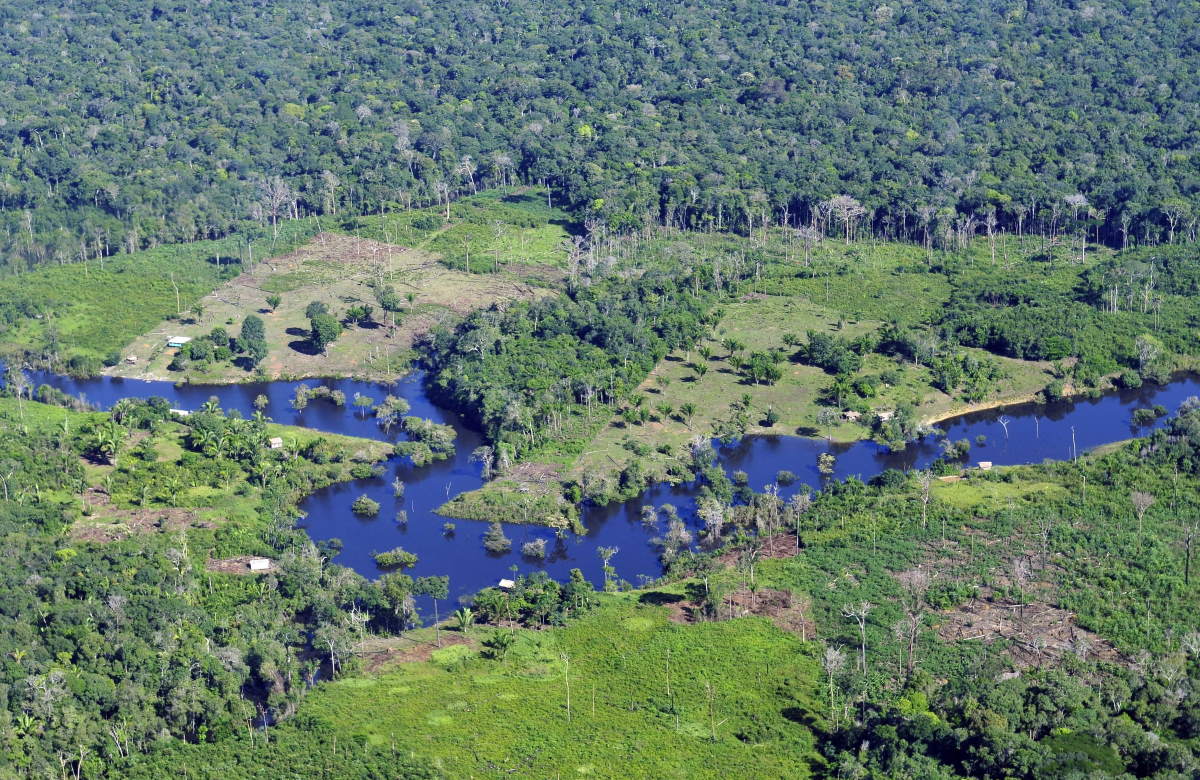
The vast tropical rainforest-the largest of its kind-is diminishing at an alarming rate. If the Amazon Rainforest is destroyed, the effects on Earth will be devastating.
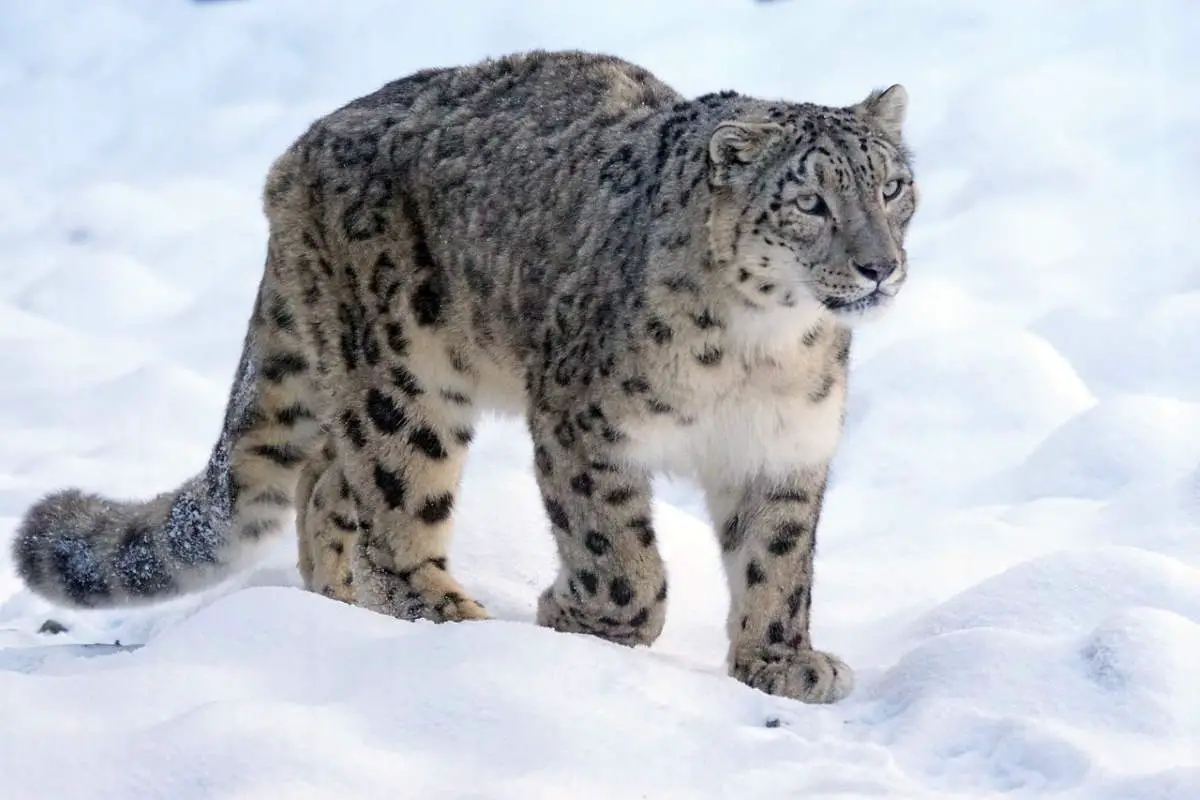
Species are going extinct at an unprecedented rate. Wildlife populations have fallen by more than two-thirds over the last 50 years, according to a new report from the World Wildlife Fund. The sharpest declines have occurred throughout the world’s rivers and lakes, where freshwater wildlife has plummeted by 84% since 1970 – about 4% per year.
Michael Obersteiner, University of Oxford; David Leclère, International Institute for Applied Systems Analysis (IIASA), and Piero Visconti, International Institute for Applied Systems Analysis (IIASA)

Today’s silicon solar panels are an industry standard, but these rigid, heavy blocks may be shunted aside by plastic rivals – lightweight, flexible solar panels that could be printed and stuck onto buildings or placed in windows or cars, turning light into electricity in locations inaccessible to their heavier cousins.
The standard solar panels we see on homes and businesses are made from crystalline silicon. These rigid photovoltaic (PV) panels convert light into electricity.

Gloves, sample tubes, bottles, and vials – the world’s labs produce millions of tonnes of waste each year. Alice Bell meets the scientists who are finding less polluting ways to work.

Will our species go extinct? The short answer is yes. The fossil record shows everything goes extinct, eventually. Almost all species that ever lived, over 99.9%, are extinct.
Some left descendants. Most – plesiosaurs, trilobites, Brontosaurus – didn’t. That’s also true of other human species. Neanderthals, Denisovans, H. erectus all vanished, leaving just H. sapiens. Humans are inevitably heading for extinction. The question isn’t whether we go extinct, but when.

Since people are becoming more conscious about the impact of meat consumption on our planet, we are beginning to shift our diets from “normal” to pescatarian, flexitarian, vegan, and so on and so forth. According to a recent study conducted at the University of Oxford, we should be eating 75% less beef and 90% less pork if we wanted to survive the global warming phenomenon, which is why people are starting to take action in this direction. If you are on the verge of becoming vegetarian yourself but enjoy your meat way too much to say stop, maybe fake meat is something you should consider.
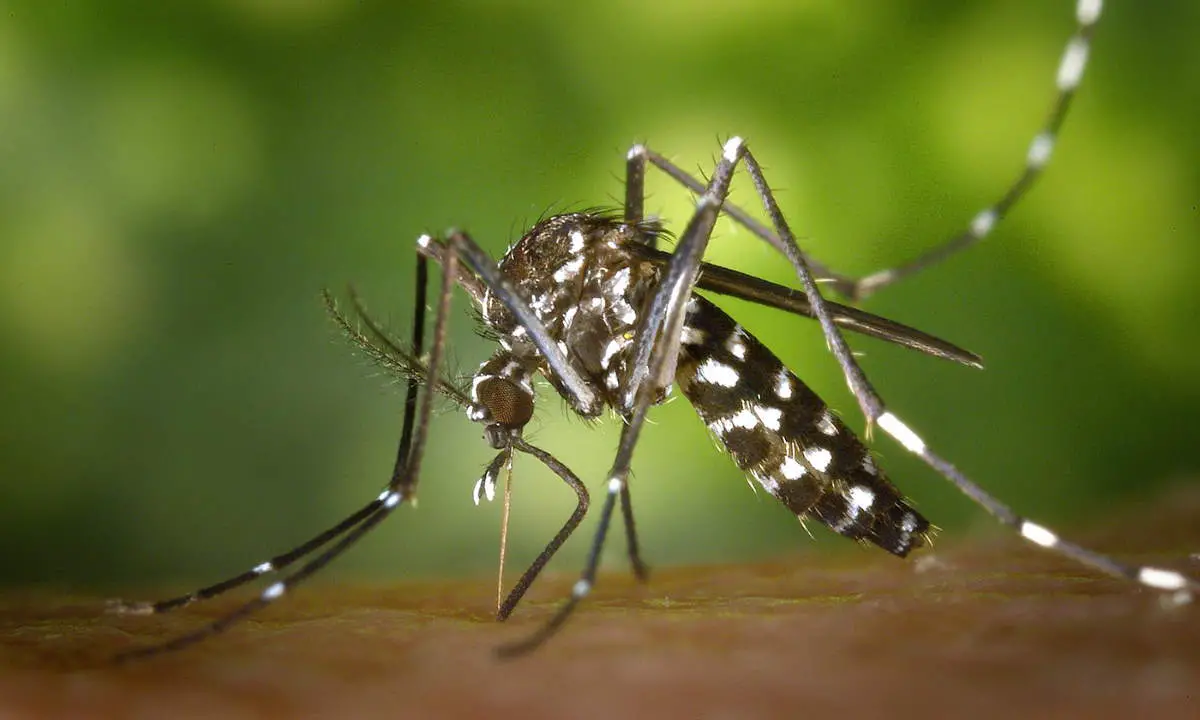
One fact about our time is becoming increasingly well-known. No matter how far you travel, no matter in which direction you point, there is nowhere on Earth that remains free from the traces of human activity. The chemical and biological signatures of our species are everywhere. Transported around the globe by fierce atmospheric winds, relentless ocean currents, and the capacious cargo-holds of millions of fossil-fuel-powered vehicles, nowhere on Earth is free from humanity’s imprint. Pristine nature has permanently blinked out of existence.
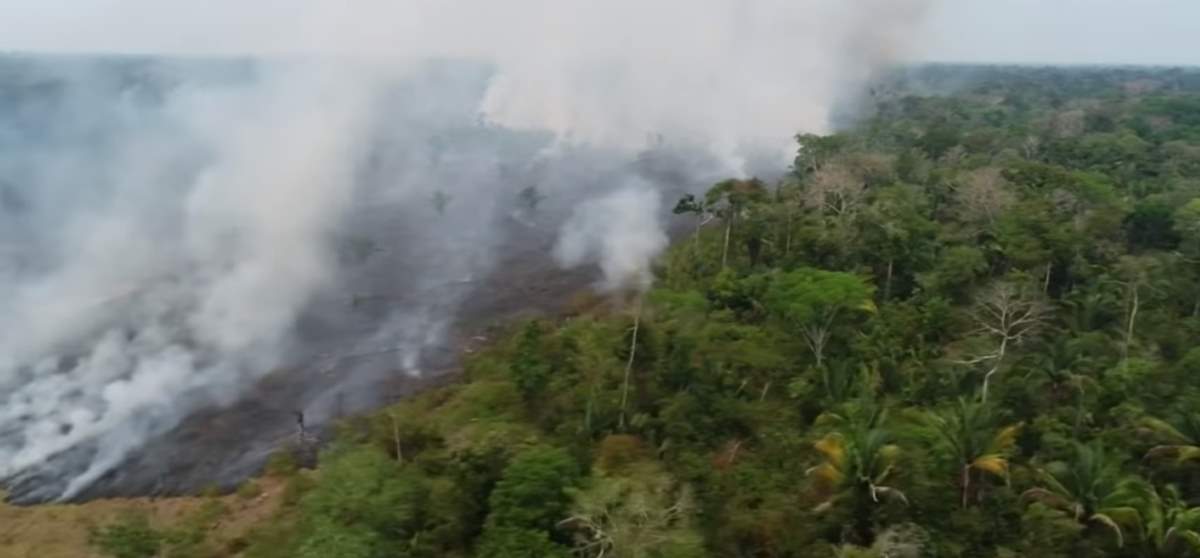
There are big wildfires in the Amazon, the world’s largest tropical rainforest. Rainforests are the oldest living ecosystems and without a shadow of a doubt, the most vital habitats on Earth (the Amazon rainforest has been in existence for at least 55 million years). The Amazon represents over half of the planet’s remaining rainforests, and comprises the largest and most biodiverse tract of tropical rainforest in the world, with an estimated 390 billion individual trees divided into 16,000 species.
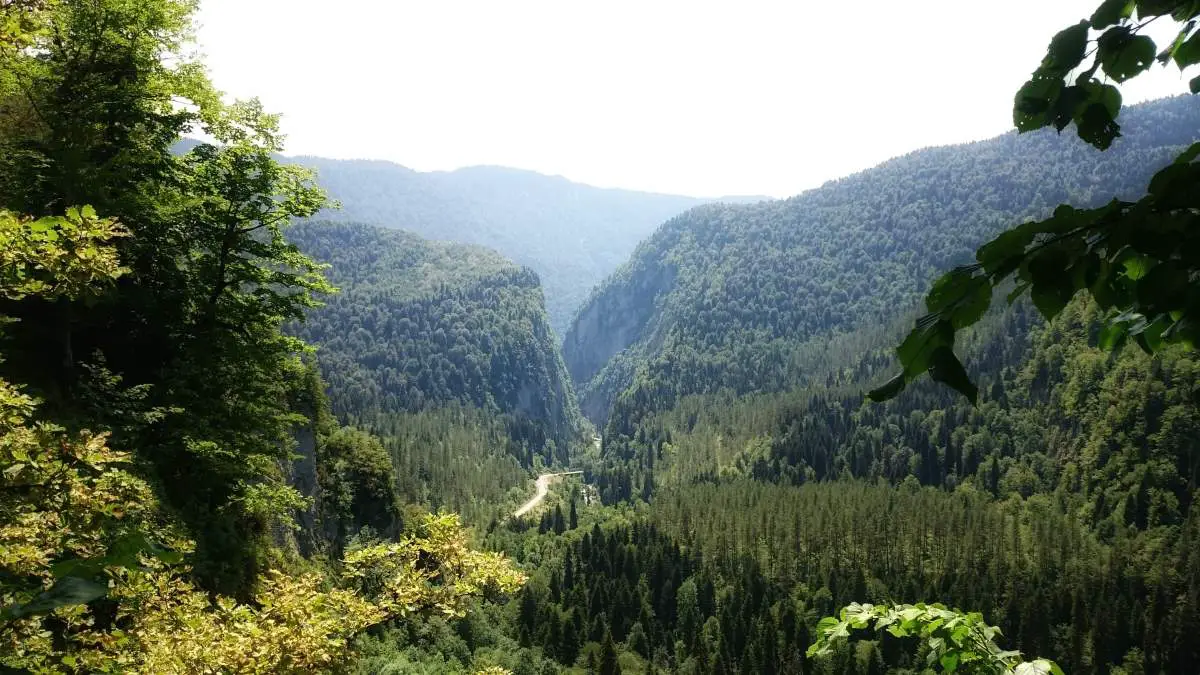
According to a new study published in Science, a massive forest restoration at a global scale could help capture atmospheric carbon and mitigate global warming.

NASA’s Global Ecosystem Dynamics Investigation (GEDI) on the International Space Station (ISS) beams laser light down to Earth to reveal the height and density of trees and vegetation.