Categories
Astronomy Space Exploration

Terrascope: Turning Earth into a Giant Telescope

We can turn Earth into a giant telescope. According to a recent study titled “The ‘Terrascope’: On the Possibility of Using the Earth as an Atmospheric Lens”, published by David Kipping of Columbia University, our planet offers an opportunity for pronounced lensing.

Categories
Space Exploration Physics

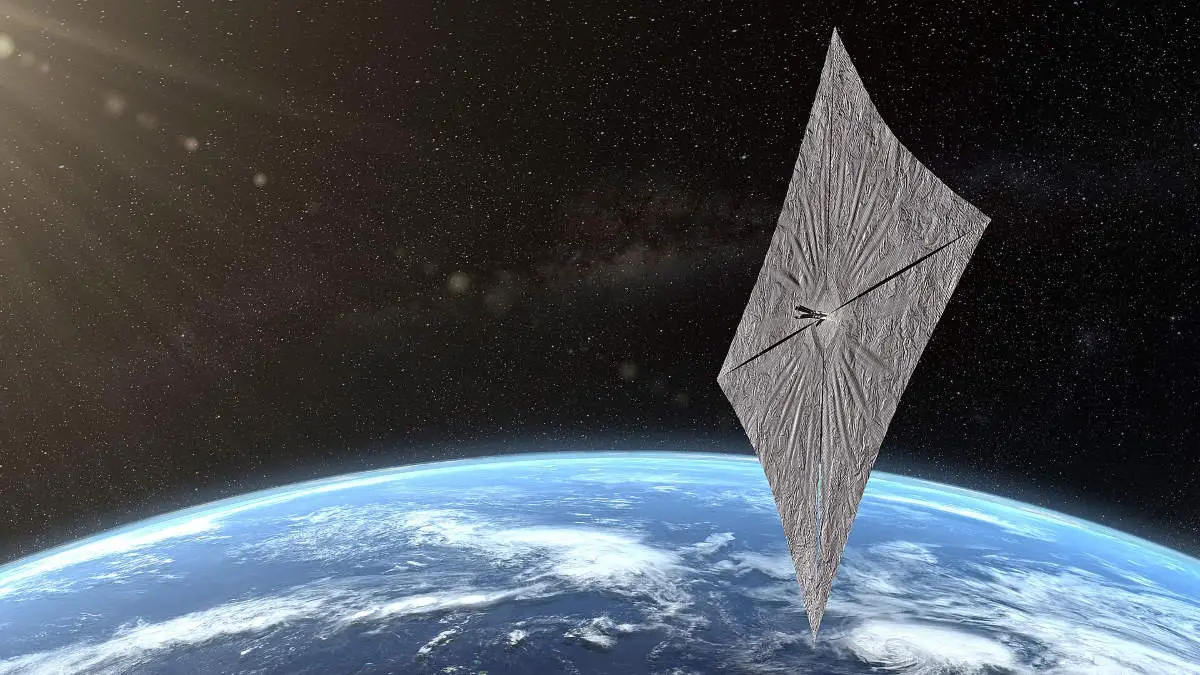
LightSail 2 raised its orbit using sunlight alone

The Planetary Society has announced that the LightSail mission is a success and LightSail 2 just raised its orbit around Earth using sunlight alone on their Twitter account @exploreplanets.

Categories
Moon Landing Space Exploration

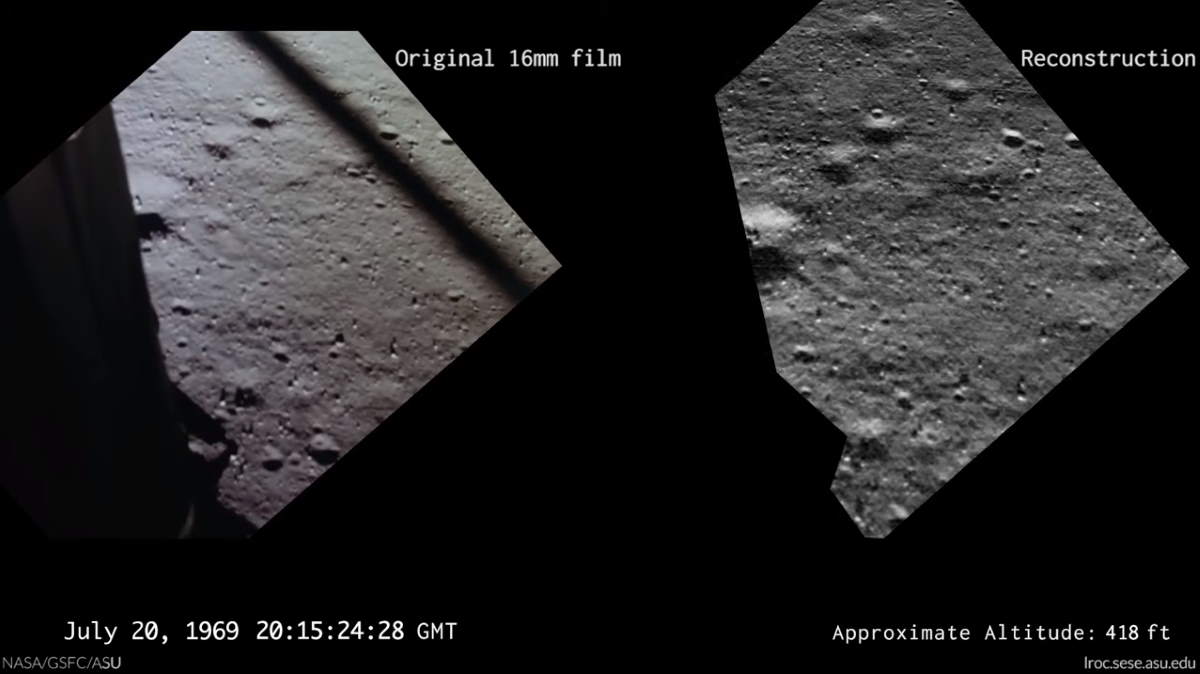
Descending to the Moon [scientists reconstruct what Buzz Aldrin saw]

“Tranquility Base here. The eagle has landed.” Neil Armstrong said so as the Apollo Lunar Module Eagle touched down on the lunar surface on Sunday, July 20, 1969, at 20:17 UTC.

Categories
Solar System Astronomy Space Exploration

Where are the spacecraft and planets now? [NASA animation]

To see exactly where the spacecraft and the celestial bodies (planets and other astronomical objects) really are, right now, you can use NASA’s real-time, 3D solar system model.

Categories
Earth from Space Space Exploration

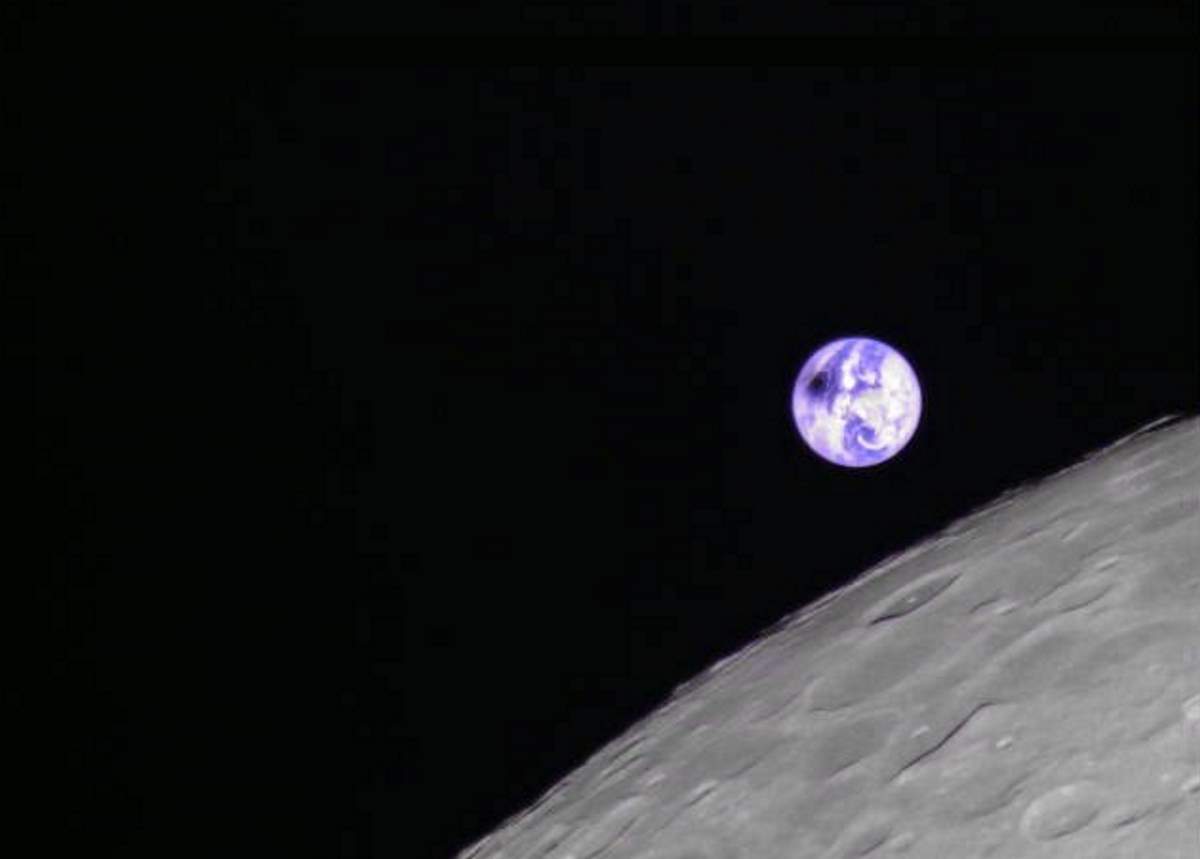
Solar eclipse as seen from the Moon’s Orbit [2019]

This amazing photo of the 2019 Solar Eclipse from the Moon’s orbit was taken on July 2, 2019, by the Chinese lunar satellite DSLWP-B (Longjiang-2).

Categories
Moon Landing Space Exploration

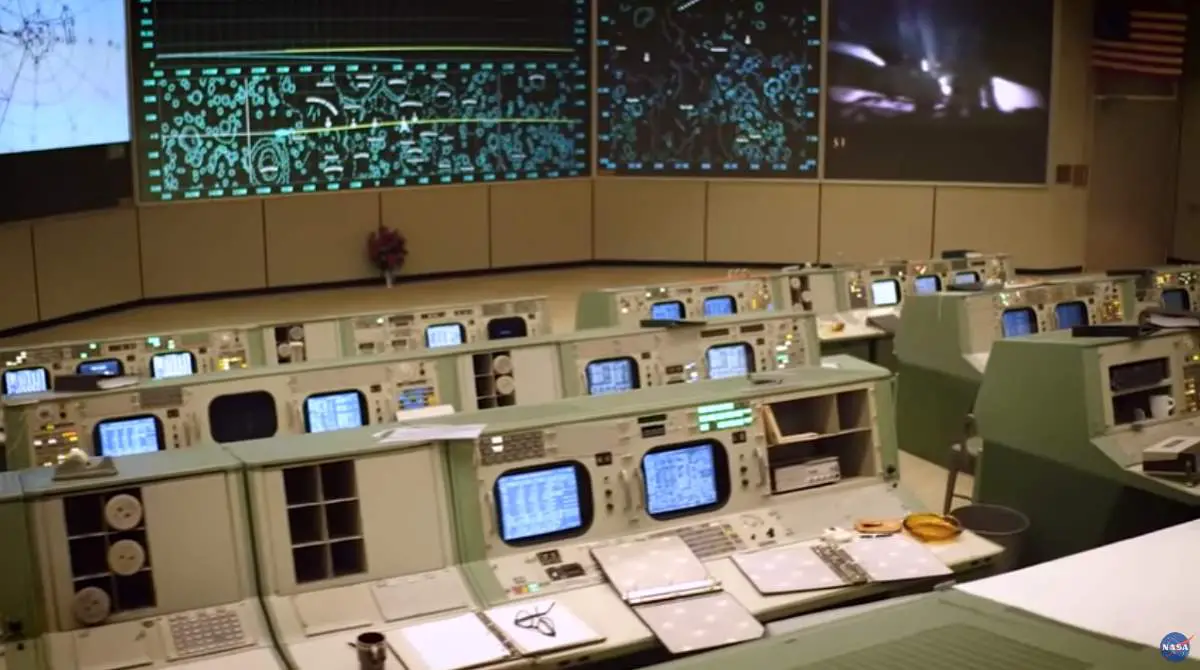
NASA has restored the historic Apollo Mission Control Room

The historic Apollo mission control room in Houston has been fully restored by NASA for the 50th anniversary of the Apollo 11 mission. Now it provides a snapshot of how it looked during the first Moon landing on July 20, 1969.

Categories
Moon Landing Space Exploration

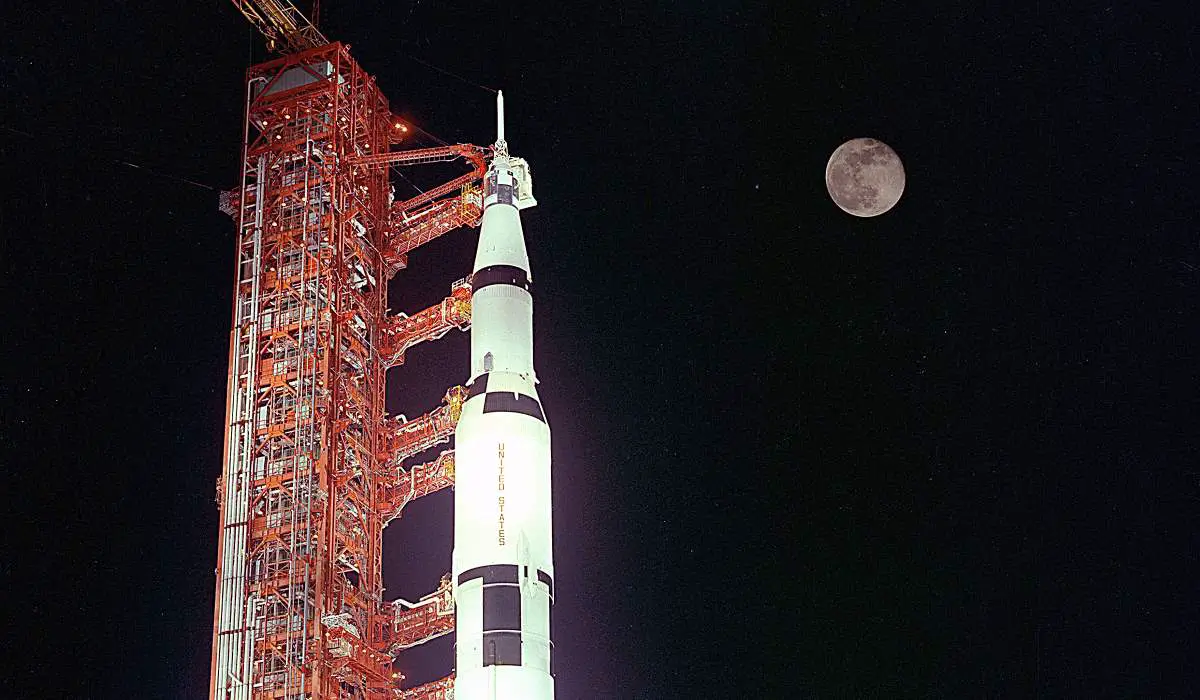
Apollo 17 and its destination (Moon) in one photo

An amazing NASA archive photo showing Apollo 17 during the prelaunch, with the Moon (a full moon), the spacecraft’s destination is in the background.

Categories
Solar System Astronomy Space Exploration

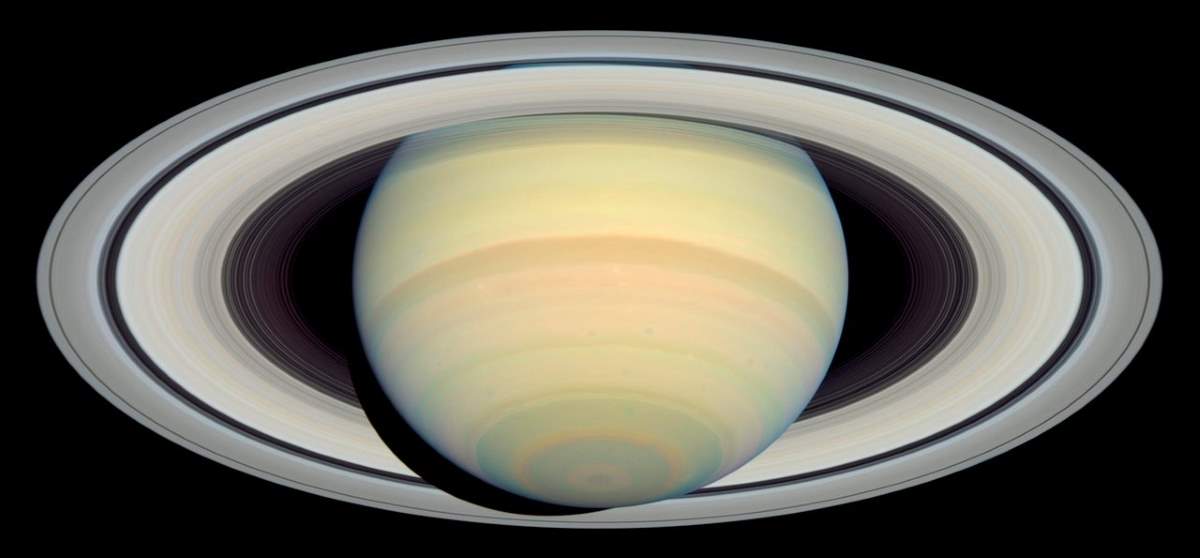
Solar System through the eyes of Hubble Space Telescope

Hubble Space Telescope was launched on April 24, 1990, and entered service on May 20, 1990. Since then, it has observed all the planets in our Solar System, apart from Earth and Mercury. Earth is far better studied by geologists on the ground and specialized probes in orbit. Hubble can’t observe Mercury as it is too close to the Sun, whose brightness would damage the telescope’s sensitive instruments.

Here are the best images of the planets (except Earth and Mercury) and some non-planets of our Solar System through the eye of the Hubble Space Telescope.

Categories
Earth from Space Moon Landing Space Exploration

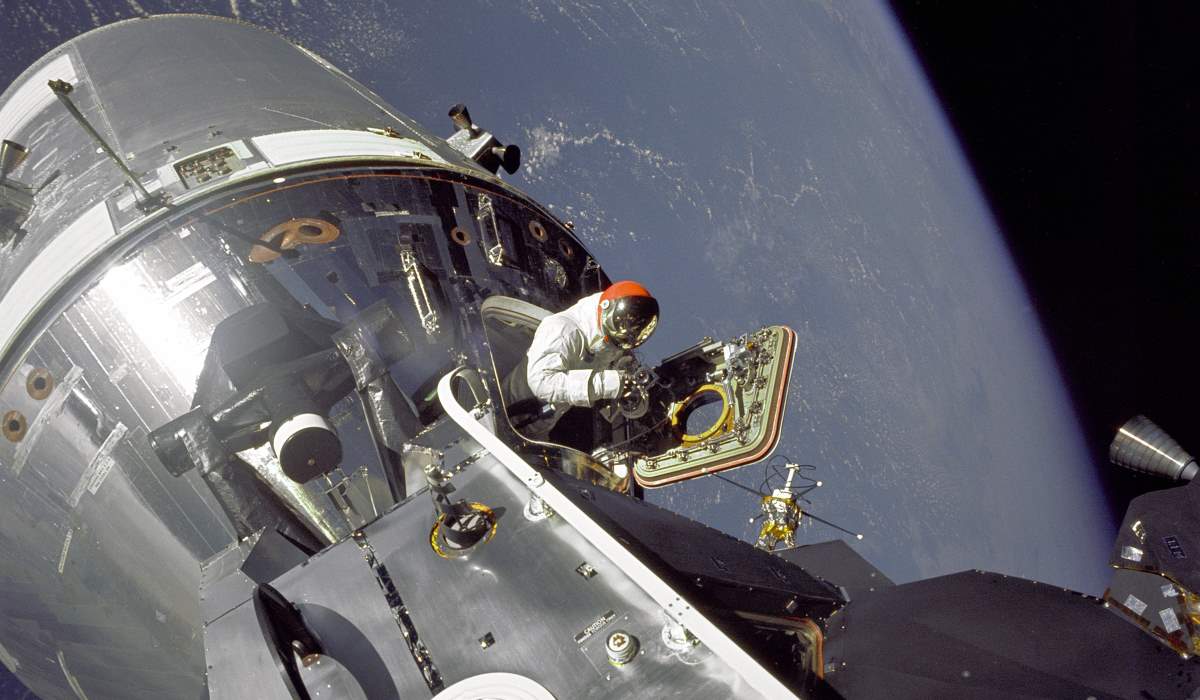
Amazing view of Earth from Apollo 9

An amazing view of Earth from Apollo 9: on March 6, 1969, with the Command/Service Modules docked with the Lunar Module and Earth in the background, astronaut Dave Scott opens the hatch of CSM (“Gumdrop”) for his extravehicular activity (EVA) to test some of the spacesuit systems that will be used for lunar operations. Astronaut Rusty Schweickart took the picture from outside the Lunar Module, “Spider” at approximately 249.5 kilometers above the Earth. The entire EVA lasted 37 minutes.

Categories
Space Exploration Mars Moon Landing

Space exploration is still the brightest hope-bringer we have

I am one of the few African-American aerospace engineers who helped design the Apollo spaceships that took men to the Moon. My great-grandfather was a slave in Claiborne, Alabama, who used primitive tools to work the land. My father was born in Alabama before the Wright brothers made mankind’s first flight. He lived to see men walk on the Moon, twin robotic biology labs land on Mars, and a fleet of four space probes on their way to the stars. But many black people, like the late Reverend Ralph Abernathy, felt that the money used to make these amazing things happen would have been better spent on helping the poorest descendants of American slaves.